
There’s something incredibly satisfying about transforming humble ingredients into a dish that leaves everyone asking for seconds. Recently, while experimenting in my kitchen, I discovered the delightful magic of miso roasted daikon. You might be surprised to learn how this simple radish can become a star at your dinner table! With its crispy edges and savory, umami flavor, this dish creates a perfect balance of taste and nutrition, making it a fantastic alternative to fast food.
As autumn settles in, I often find myself craving warm, comforting meals that spark joy and excitement. Miso roasted daikon not only delivers on flavor but is a breeze to prepare. In just over an hour, you can have a stunning side ready to accompany any main course or serve it alone for a light, satisfying meal. Join me in this culinary adventure, and discover how a few everyday ingredients can become a show-stopping dish that’ll have your taste buds dancing!
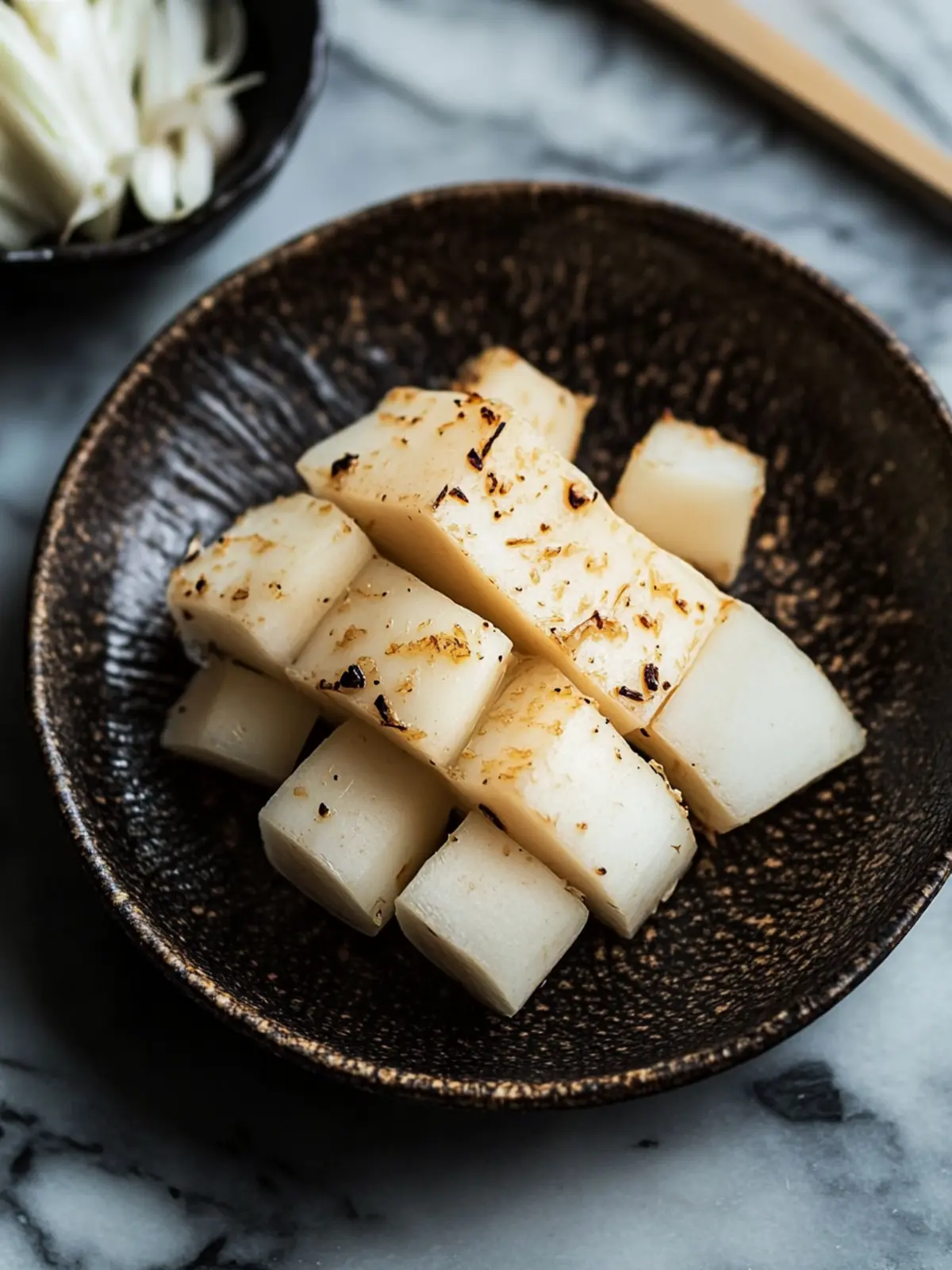
Why is Miso Roasted Daikon the Ultimate Side?
Versatile Delight: Whether as a side or standout main course, miso roasted daikon fits any occasion.
Easy Preparation: With just five simple steps, you’ll find this dish refreshingly quick to whip up.
Umami Flavor: The combination of miso, garlic, and rosemary adds a depth of flavor that redefines the ordinary radish.
Health-Conscious: Low in calories yet high in flavor, it satisfies your cravings without the guilt.
Impressive Presentation: Its vibrant appearance enhances any dining experience, ensuring you’ll make a lasting impression.
For more tasty plant-based ideas, check out my collection of vegetarian recipes.
Miso Roasted Daikon Ingredients
For the Daikon
- Daikon radish – A 1-pound daikon brings a unique flavor and texture that’s perfect for roasting.
For the Dressing
- Olive oil – 3 tablespoons of olive oil help achieve a crisp texture while enhancing the savory flavors.
- Rosemary – 1/2 teaspoon, fresh or dried, adds a fragrant herby note that harmonizes beautifully with the miso.
- Salt – 1/4 teaspoon elevates the flavors without overpowering the dish.
- Garlic – 1 small clove, minced, infuses a touch of warmth and depth into the overall flavor palette.
- White miso paste – 1 teaspoon mixed with 1 teaspoon water creates a rich umami sauce that transforms the daikon into a culinary delight.
With these Miso Roasted Daikon Ingredients, you’re just one step away from creating an unforgettable dish that will leave everyone at your table craving more!
How to Make Miso Roasted Daikon
-
Preheat the oven to 400ºF. Ensure your oven is properly heated to achieve a crispy exterior on the daikon, which enhances its natural sweetness.
-
Prepare the baking tray by covering it with non-stick foil. This will make clean-up a breeze and prevent the daikon from sticking during roasting.
-
Rinse and pat dry the daikon. Peel it until the flesh is slightly transparent. Placing it on the baking tray, you’re getting ready for a delicious roast!
-
Whisk together the olive oil, rosemary, salt, minced garlic, and white miso paste in a small bowl until well combined. This flavorful mixture is the secret to deliciously savory daikon.
-
Brush the miso mixture onto the daikon on all sides using a basting brush. Roast in the oven for 15 minutes to start allowing those flavors to meld beautifully.
-
Remove the daikon from the oven and brush it again with the remaining mixture. Return it to the oven for another 15 minutes. Repeat this step 3 to 5 more times, or until the daikon is fork-tender and golden.
-
Check the doneness by inserting a knife into the daikon. If the knife slides in easily, your miso roasted daikon is perfectly cooked and ready to serve.
-
Plate the daikon on a serving dish, sprinkling with a little extra salt or drizzling with eel sauce for added flavor. Your masterpiece is ready to impress!
Optional: Garnish with chopped fresh herbs for a vibrant touch.
Exact quantities are listed in the recipe card below.
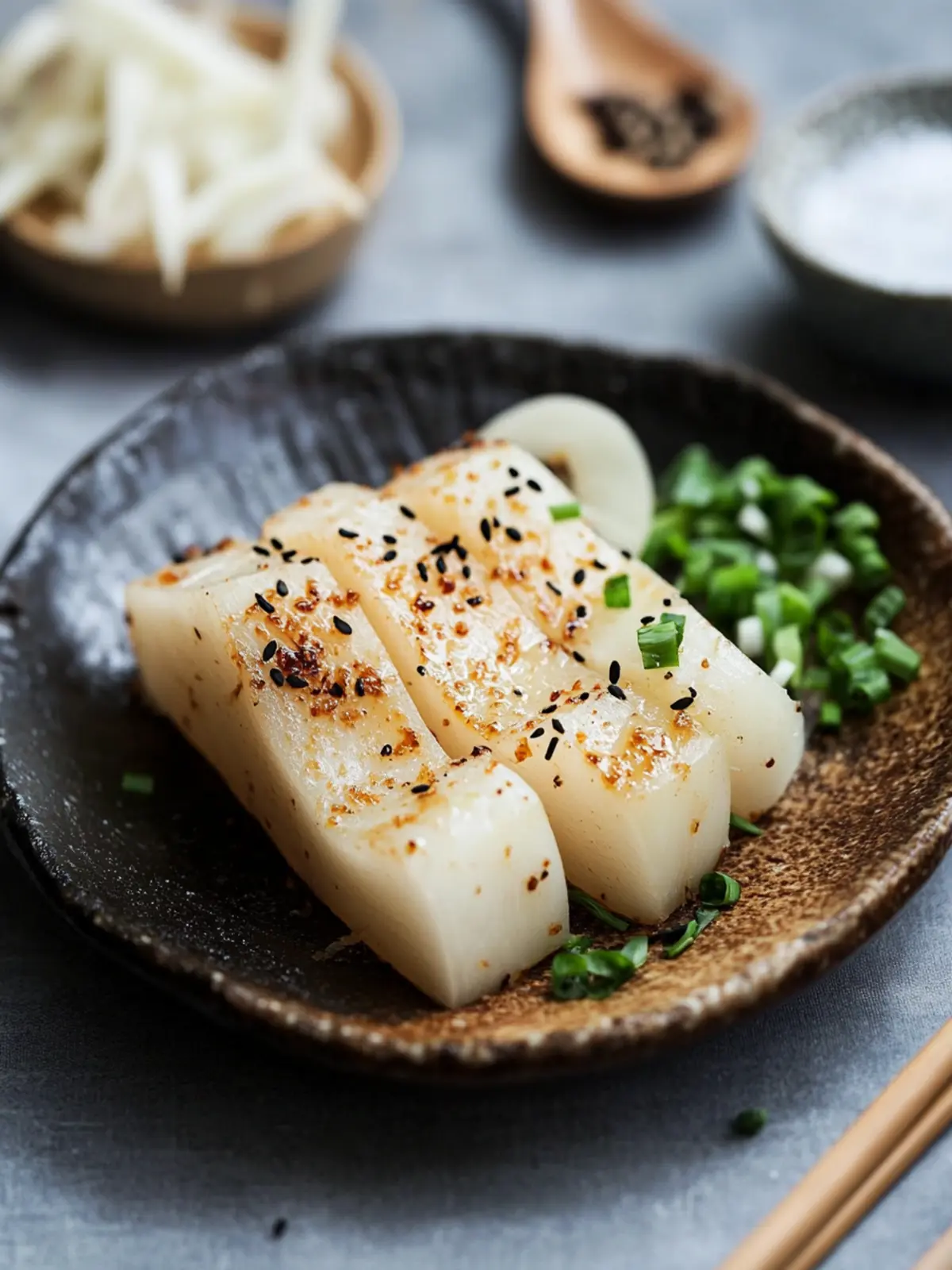
Miso Roasted Daikon Variations
Feel free to let your creativity shine as you customize this delightful dish with these exciting variations!
-
Spicy Kick: Add a pinch of red pepper flakes to the miso mixture for a touch of heat that complements the savory flavors beautifully.
-
Herb Infusion: Swap out rosemary for thyme or sage to bring a different herbal note, creating a unique twist your family will adore.
-
Sweet Glaze: Drizzle honey or maple syrup over the daikon before roasting to add a sweet contrast to the umami richness of the miso.
-
Citrus Zing: Mix in the zest of one lemon or orange with your miso paste for a refreshing burst of brightness that elevates the dish.
-
Asian Flair: Incorporate a splash of soy sauce or tamari into your miso mixture for a tangy, savory kick with an Asian influence.
-
Creamy Addition: Top the finished dish with a dollop of tahini or a sprinkle of sesame seeds for a creamy texture and nutty flavor.
-
Cheesy Delight: For those who love cheese, add grated parmesan or nutritional yeast on top before serving for a savory umami boost.
-
Veggie Medley: Roast some additional vegetables like carrots or bell peppers alongside the daikon for a colorful and nutritious side dish.
How to Store and Freeze Miso Roasted Daikon
Fridge: Store leftover miso roasted daikon in an airtight container for up to 3 days. It’s best enjoyed fresh, but you can savor it later!
Freezer: If you want to freeze, wrap the cooled daikon tightly in plastic wrap and then in aluminum foil. It will last for up to 2 months.
Reheating: To reheat, place the daikon in the oven at 350ºF until warmed through, approximately 15-20 minutes for the best texture.
Room Temperature: Miso roasted daikon is best enjoyed warm, so avoid leaving it out for more than 2 hours.
What to Serve with Miso Roasted Daikon?
Discover the delightful pairings that complete this unique and flavorful dish.
-
Steamed Jasmine Rice: The fluffy rice soaks up the savory miso glaze, creating a comforting harmony that complements the daikon beautifully.
-
Grilled Tofu Skewers: The smoky, charred flavor of grilled tofu adds a hearty texture, making it a perfect protein partner that balances the dish’s umami profile.
-
Sauteed Greens: Fresh spinach or bok choy lightly sautéed in garlic provides a crisp, vibrant contrast that elevates the overall meal experience.
-
Sesame Cucumber Salad: The refreshing crunch and light seasoning of sesame cucumber salad offer a bright, crisp counterpoint that enhances the deeper flavors of the daikon.
-
Lemon Ginger Tea: A warm, soothing cup of lemon ginger tea cleanses the palate, bringing a zesty finish that beautifully offsets the rich miso flavors.
-
Matcha Cheesecake: For dessert, a slice of creamy matcha cheesecake offers an elegant sweet finish, tying together the earthy tones of the meal wonderfully.
Let your culinary creativity flourish with these exquisite pairings, transforming your dining experience into something truly special!
Expert Tips for Miso Roasted Daikon
-
Choose Fresh Daikon: Look for firm, heavy daikon radishes with smooth skin. Stale ones can be rubbery and bland, so freshness is key to delicious miso roasted daikon.
-
Miso Mix Consistency: Ensure your miso paste is well-combined with water for an even distribution of flavor. A lumpy mix can lead to uneven seasoning on the daikon.
-
Watch the Roasting Time: Keep an eye on the daikon as it roasts; cooking times may vary based on oven performance. Adjust timing, checking for tenderness, to avoid overcooking.
-
Brush Generously: Don’t skimp on brushing the daikon with miso mixture. Proper coating allows for maximum flavor infusion and creates that desirable crispy texture.
-
Experiment with Garnishes: Consider adding fresh herbs like cilantro or parsley after roasting. Garnishes can elevate the presentation of your miso roasted daikon, impressing your guests and family alike.
Make Ahead Options
These Miso Roasted Daikon are perfect for busy home cooks looking to streamline their meal prep! You can prepare the daikon by peeling and cutting it into slices up to 24 hours in advance, storing them in an airtight container in the refrigerator to maintain freshness. Additionally, you can mix the miso dressing (olive oil, rosemary, garlic, miso paste, and salt) and refrigerate it up to 3 days ahead, allowing the flavors to intensify. When you’re ready to enjoy your flavorful dish, simply brush the daikon with the prepared miso mixture and roast as directed. With these make-ahead tips, you’ll have a delicious side dish ready with minimal effort, perfect for any busy weeknight!

Miso Roasted Daikon Recipe FAQs
What should I look for when selecting daikon radish?
Absolutely! When choosing daikon radish, look for firm, heavy roots with smooth skin. Avoid any that feel soft or have dark spots all over, as these indicate deterioration. Fresh daikon should feel crisp and be a consistent white color.
How should I store leftover miso roasted daikon?
To store leftover miso roasted daikon, place it in an airtight container and refrigerate for up to 3 days. Although it tastes best fresh, gently reheating it can bring back some of its delightful flavors!
Can I freeze miso roasted daikon, and how do I do it?
Yes, you can freeze miso roasted daikon! First, let it cool completely. Then, wrap it tightly in plastic wrap and place it in a freezer-safe container or seal it with aluminum foil. This method will keep it fresh for up to 2 months. When ready to use, thaw it in the fridge overnight, then reheat in the oven at 350ºF until warmed through, which usually takes about 15-20 minutes.
What are some common issues people encounter when making miso roasted daikon?
One common issue is undercooking the daikon, leaving it hard in the center. To avoid this, ensure you check for doneness by sticking a knife through the daikon. It should easily slide in. If it’s still firm, keep roasting and brush it with the miso mixture to enhance flavor while cooking. Watching the roasting time is essential; adjust based on how your oven performs.
Is miso roasted daikon suitable for those with dietary restrictions?
Very! Miso roasted daikon is naturally vegetarian and can easily fit into vegan diets if you skip the eel sauce. However, if you have a soy allergy, be cautious with miso, as it contains soy. For an alternative flavor profile, consider using tahini or a nut-based sauce!
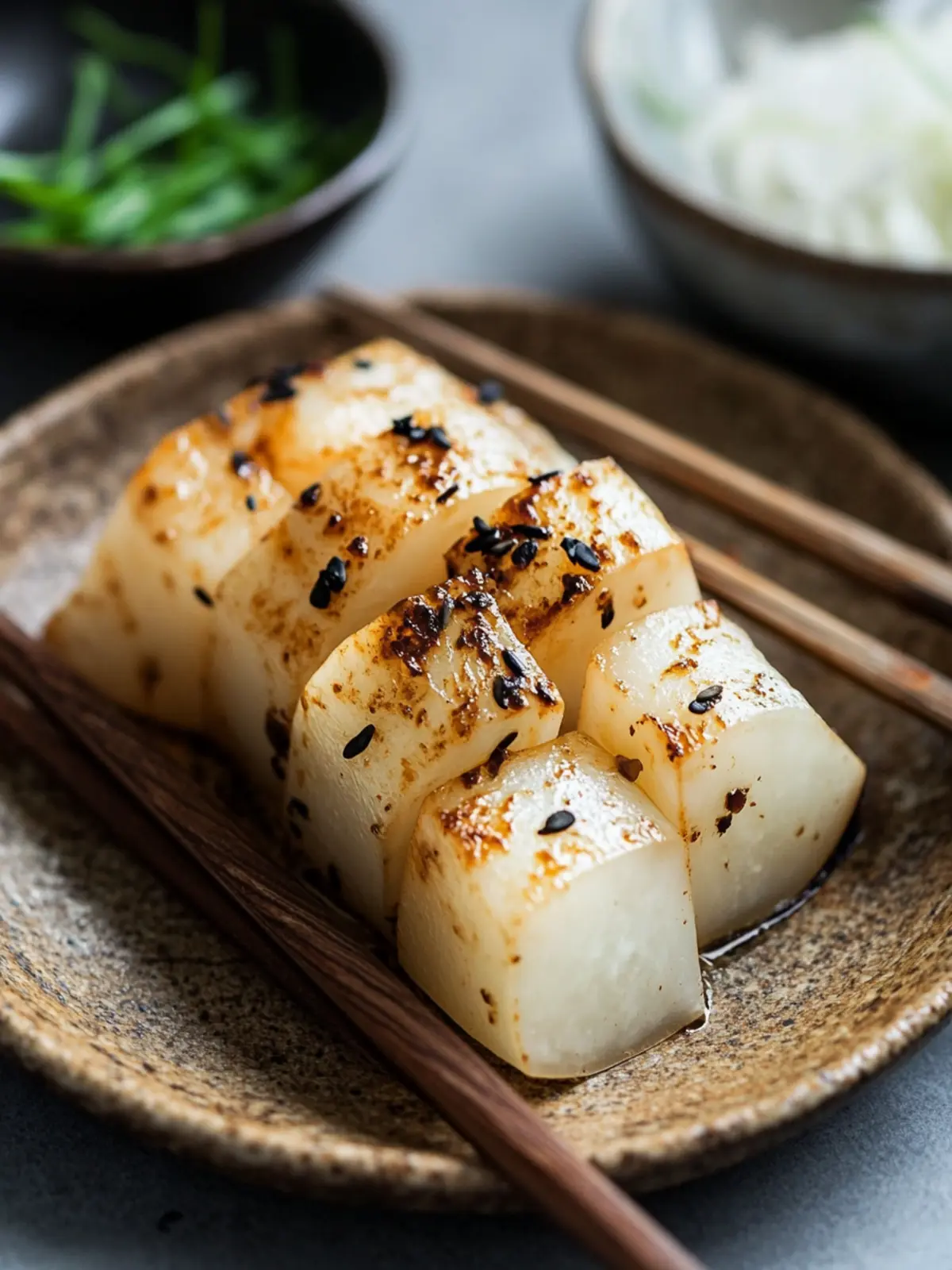
Delicious Miso Roasted Daikon: A Flavorful Vegetarian Delight
Ingredients
Equipment
Method
- Preheat the oven to 400ºF. Ensure your oven is properly heated.
- Prepare the baking tray by covering it with non-stick foil.
- Rinse and pat dry the daikon. Peel until slightly transparent.
- Whisk together the olive oil, rosemary, salt, minced garlic, and white miso paste until well combined.
- Brush the miso mixture onto the daikon on all sides using a basting brush. Roast in the oven for 15 minutes.
- Remove the daikon and brush it again with the remaining mixture. Return for another 15 minutes. Repeat until fork-tender.
- Check doneness by inserting a knife into the daikon. If it slides in easily, it's ready to serve.
- Plate the daikon on a serving dish, sprinkling with extra salt or drizzling with eel sauce.