
There’s nothing quite like the sensation of biting into a perfectly crispy piece of Peking rib, its glossy sweet and sour glaze glistening under the kitchen light. I discovered this delightful recipe on a chilly evening, when the idea of comforting, homemade food beckoned amid the usual takeout routine. Those moments when you want something special without all the fuss? This dish answers that call brilliantly.
Juicy pork ribs drenched in a rich umami sauce offer a balance of tenderness and crunch, making them equally satisfying whether served as an indulgent appetizer at a gathering or over a bed of rice as a hearty main dish. Plus, with a few cooking variations—from frying to braising—you can tailor the method to fit your kitchen desires and the occasions at hand. So, roll up your sleeves, and let’s dive into this crowd-pleasing classic that brings both tradition and flavor to your table!
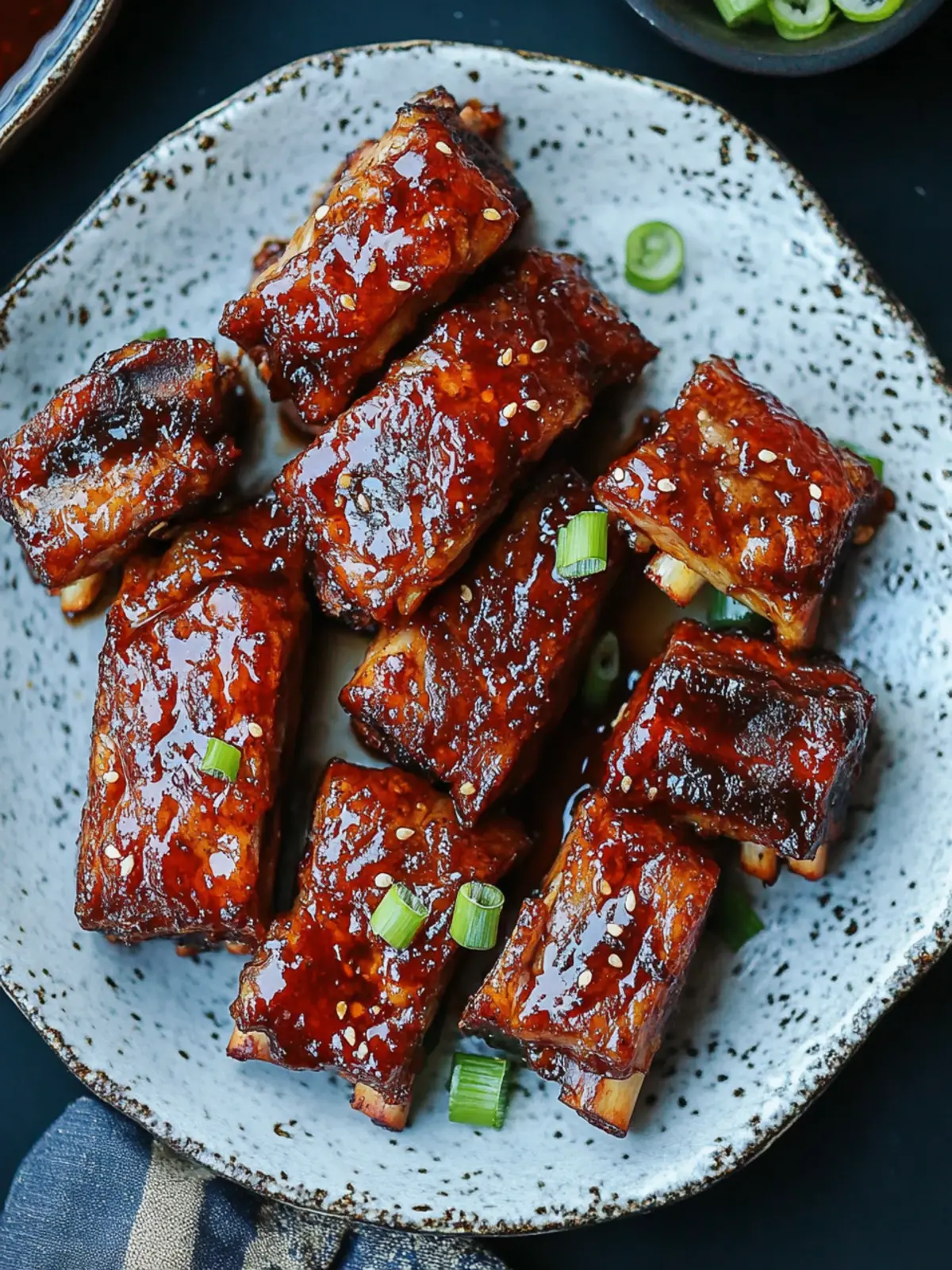
Why are Peking Ribs a must-try?
Crispy Perfection: These Peking ribs deliver an unbeatable crunch with each bite.
Flavor Explosion: The glossy sweet and sour sauce offers a delightful umami experience that dances on your palate.
Versatile Cooking Methods: Whether you prefer frying, braising, or experimenting with different cuts of pork, there’s a perfect technique for everyone.
Ideal for Sharing: Serve these ribs as an appetizer or over rice for a main dish that’s sure to impress friends and family.
Quick Prep Time: Despite their restaurant-quality taste, they come together in a short time—perfect for those busy weeknights when you crave something special!
Enjoy your homemade version of takeout that ticks all the boxes for comfort and flavor!
Peking Ribs Ingredients
For the Ribs
• Pork Ribs – The star ingredient that provides a juicy, flavorful base; short riblets can be used as a tasty alternative.
• Shaoxing Wine – Boosts flavor and tenderizes the meat; substitute with dry sherry if necessary.
• Baking Soda – Helps tenderize the ribs, ensuring they stay juicy.
For the Sauce
• Soy Sauce – Adds essential umami and saltiness to the sauce.
• Oyster Sauce – Enhances the richness and introduces a sweet note.
• Ketchup – Offers sweetness and tang, a key flavor in the sweet and sour profile.
• Distilled Vinegar – Balances sweetness with its acidity, elevating the overall taste.
• Sugar – Sweetens the sauce to perfect the flavor balance.
• Black Pepper – Adds a slight kick that complements the sweetness.
For Coating and Frying
• Cornstarch – Acts as a thickening agent for the sauce and creates that all-important crispy coating on the ribs.
• Vegetable Oil – Essential for frying, achieving that golden, crispy texture.
For Aromatics
• Garlic – Introduces aromatic depth to the dish.
• Scallion – Provides freshness; both the white and green parts are used for added flavor.
With these ingredients, you’re on your way to making delicious Peking ribs that will have everyone coming back for more!
How to Make Peking Ribs
-
Marinate the Pork: In a mixing bowl, combine the pork ribs with Shaoxing wine, soy sauce, oyster sauce, and baking soda. Let them marinate for at least 1 hour, or for an even deeper flavor, overnight in the refrigerator.
-
Prepare Sauce: In a separate bowl, whisk together water, ketchup, light soy sauce, vinegar, sugar, and cornstarch until well combined. This sweet and sour sauce is the heart of your dish!
-
Drain and Coat Ribs: After marinating, drain any excess liquid from the ribs and gently pat them dry with paper towels. Evenly coat the ribs with cornstarch to create that coveted crispy texture.
-
First Fry: Heat vegetable oil in a wok or frying pan to 350°F (176°C). Fry the ribs for about 2 minutes until they’re golden, then place them on a wire rack to drain the excess oil.
-
Second Fry: Increase the oil temperature to 375°F (190°C). Fry the ribs again for an additional minute until they turn beautifully golden brown and extra crispy.
-
Cook Aromatics: In a fresh skillet, heat some oil and sauté garlic and scallion whites on medium heat for about 30 seconds, until fragrant and slightly softened.
-
Add Sauce and Ribs: Pour the prepared sauce into the skillet with the aromatics, stirring constantly until the sauce thickens slightly. Add in the crispy fried ribs and toss everything together to coat well.
-
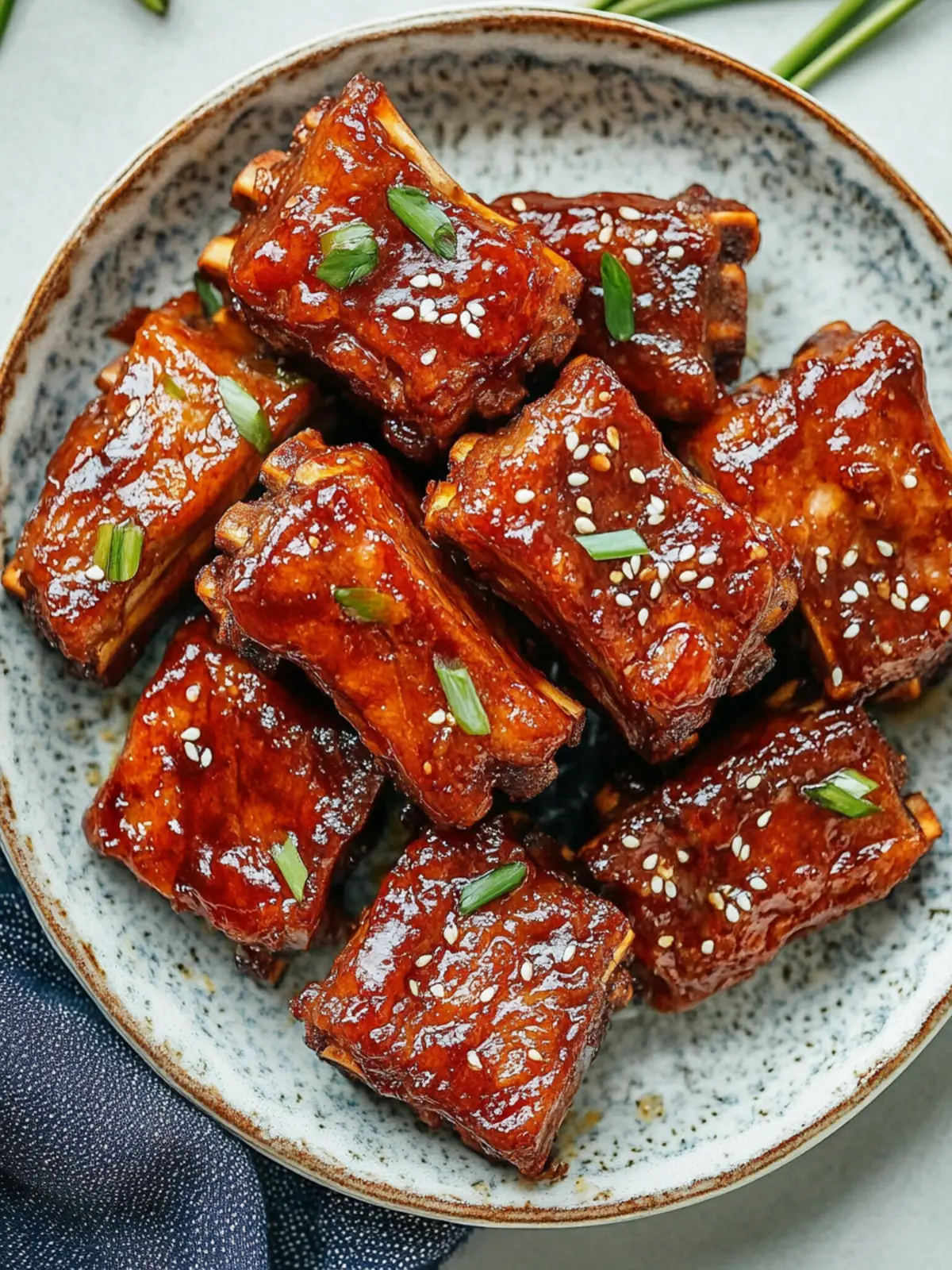
Serve: Transfer the glazed ribs to a serving plate, garnish with sliced scallion greens for a fresh touch, and serve immediately with pride!
Optional: Serve with steamed rice for a complete meal.
Exact quantities are listed in the recipe card below.
Make Ahead Options
These Peking Ribs are perfect for busy weeknights when you want to enjoy a delicious meal without the last-minute rush! You can marinate the pork ribs with Shaoxing wine, soy sauce, oyster sauce, and baking soda up to 24 hours in advance to enhance their flavor. For the sauce, combine the ingredients and store it in the refrigerator for up to 3 days. On the day you plan to serve them, simply coat the marinated ribs in cornstarch and fry them as directed—double frying ensures they remain crispy and delightful! This way, you can have restaurant-quality Peking ribs on your table with minimal effort!
Expert Tips for Perfect Peking Ribs
-
Marination Matters: Make sure to marinate the ribs for at least one hour, or overnight if possible, to deeply infuse flavor and tenderness.
-
Temperature Check: Use a thermometer to gauge oil temperature; frying at the wrong temperature can lead to less crispy and tough Peking ribs.
-
Cornstarch Coating: Ensure an even cornstarch coating on the ribs for a consistent crispy texture when fried.
-
Double Frying: Don’t skip the second fry; it’s essential for achieving that coveted extra crispiness that keeps everyone coming back for more.
-
Quick Stirring: When adding the fried ribs to the sauce, stir quickly to avoid sogginess while ensuring every piece is deliciously coated.
What to Serve with Crispy Peking Ribs with Sweet and Sour Sauce?
Create a memorable feast by pairing these delectable ribs with comforting and flavorful sides that enhance their irresistible charm.
-
Steamed Jasmine Rice: The fluffy grains of jasmine rice absorb the sweet and sour sauce beautifully, balancing the dish’s richness while adding a soft texture. Serve as a base for juicy ribs to lay upon.
-
Garlic Stir-Fried Greens: Fresh veggies like bok choy or spinach sautéed with garlic offer a crisp contrast and a burst of vibrant color on the plate. Their slight bitterness complements the sweet and sour flavor of the ribs wonderfully.
-
Crispy Egg Rolls: Filled with crunchy vegetables and savory meat, these crispy bites make for a fun, finger-food addition that everyone enjoys, adding festive notes to your meal that echo the essence of Chinese cuisine.
-
Chinese Chicken Salad: A vibrant salad with shredded cabbage, carrots, and chicken drizzled with sesame dressing introduces a light and refreshing element, perfectly off-setting the rich flavors of the ribs. The crunch of fresh veggies will make your meal even more delightful.
-
Sweet and Sour Cucumber Salad: This refreshing salad brings a zesty crunch and cooling effect, balancing out the savory umami of the ribs. The sweetness of thinly sliced cucumbers tossed in rice vinegar elevates every bite!
-
Chrysanthemum Tea: A delicate floral tea serves as a soothing drink option that adds elegance to your meal while cleansing the palate between bites of crispy ribs.
Storage Tips for Peking Ribs
-
Room Temperature: Allow Peking ribs to cool to room temperature before storing, but don’t leave them out for more than 2 hours to prevent bacteria growth.
-
Fridge: Store leftovers in an airtight container, and they’ll stay fresh for up to 3 days. Reheat them in the oven for best texture and warmth.
-
Freezer: For long-term storage, freeze Peking ribs in a resealable bag or airtight container for up to 3 months. Thaw in the refrigerator before reheating.
-
Reheating: To maintain crispiness, reheat the ribs in a preheated oven at 375°F (190°C) for 10-15 minutes, or until heated through and crispy again.
Peking Ribs Variations
Feel free to explore and personalize this recipe to match your tastes and dietary needs!
-
Braising: Instead of frying, braise the ribs in a flavorful liquid for a melt-in-your-mouth texture, perfect for cozy nights.
-
Sweet Heat: Add a splash of chili sauce to the sweet and sour sauce for a delightful spicy kick—elevate those taste buds!
-
Gluten-Free: Use tamari or a gluten-free soy sauce substitute to keep the umami flavor while catering to gluten sensitivities.
-
Herbed Twist: Incorporate fresh ginger or cilantro for a fresh herbaceous note that brightens the rich flavors abundantly.
-
Fruit Infusion: Add a splash of orange juice or zest into the sauce for a fruity sweetness that complements the savory notes beautifully.
-
Slow Cooker Option: Marinate and place the ribs in a slow cooker on low for 6-8 hours. This method yields tender, fall-off-the-bone ribs that are irresistibly juicy.
-
Cut Variation: Experiment with St. Louis style ribs or baby back ribs—each cut brings its own unique flavor and texture profile to the dish.
-
Baking Alternative: Instead of frying, try baking the coated ribs at 400°F (200°C) until crispy, making it a healthier option without sacrificing on flavor!
Peking Ribs Recipe FAQs
How do I choose the right pork ribs?
Absolutely! For the best flavor and texture, look for pork ribs with good marbling and a pinkish-red color. If you can, ask your butcher for short riblets, which are tender and perfect for this recipe. Avoid ribs with dark spots, as this can indicate spoilage.
What’s the best way to store leftover Peking ribs?
Very! Allow your Peking ribs to cool to room temperature before storing them. Place them in an airtight container and they will stay fresh in the refrigerator for up to 3 days. For optimal texture when reheating, use the oven to warm them back up!
Can I freeze Peking ribs?
Absolutely! For freezing, let the ribs cool completely before placing them in a resealable bag or airtight container. They can be stored in the freezer for up to 3 months. When you’re ready to eat, thaw them in the refrigerator overnight before reheating.
What if my ribs are tough after frying?
Don’t worry! Tough ribs may result from not marinating long enough or frying at the wrong temperature. Ensure you marinate for at least 1 hour (preferably overnight) to tenderize. Also, keep an eye on your oil temperature; use a thermometer to maintain around 350°F (176°C) during the first fry for optimal results.
Are these Peking ribs safe for my pets?
Great question! While pork can be safe for dogs, be cautious with the ingredients, especially the spices and sauces. It’s best to stick with plain, unseasoned meat for pets. Always consult your vet down the line if unsure about adding new foods to your furry friend’s diet.
How can I make healthier Peking ribs?
Very good to consider! For a healthier option, skip the frying by baking instead. After marinating and coating your ribs with cornstarch, place them on a lined baking tray and bake at 400°F (200°C) for 30-35 minutes, flip halfway through until they are crispy and golden. Enjoy the same delicious flavor with less oil!
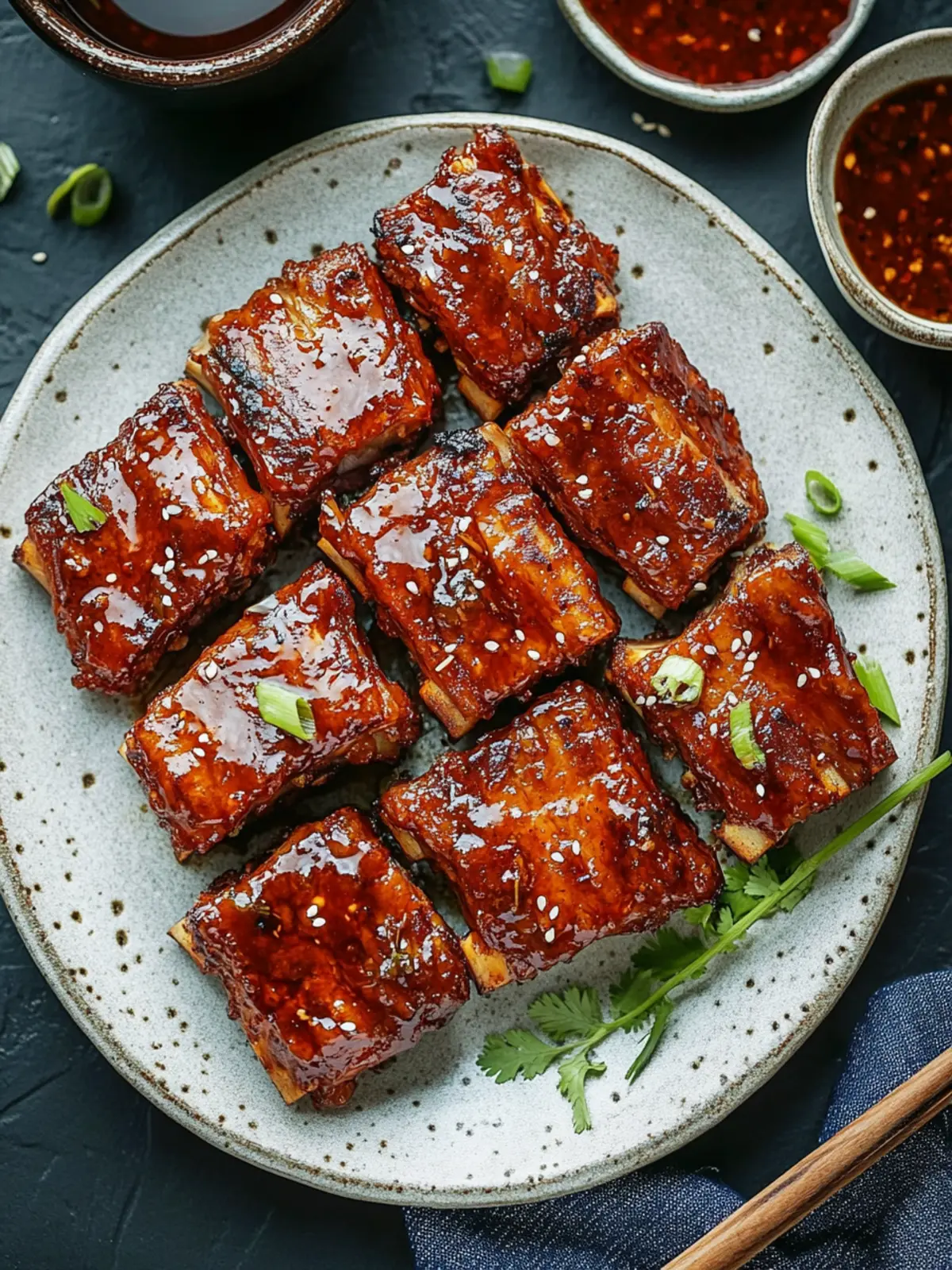
Sweet and Crispy Peking Ribs That Wow Every Time
Ingredients
Equipment
Method
- Marinate the pork ribs in a mixing bowl with Shaoxing wine, soy sauce, oyster sauce, and baking soda for at least 1 hour, or overnight for deeper flavor.
- In a separate bowl, whisk together water, ketchup, light soy sauce, vinegar, sugar, and cornstarch until well combined to make the sauce.
- Drain excess liquid from the ribs and pat them dry. Coat evenly with cornstarch.
- Heat vegetable oil in a pan to 350°F (176°C) and fry the ribs for about 2 minutes until golden. Place them on a wire rack to drain excess oil.
- Increase oil temperature to 375°F (190°C) and fry the ribs again for an additional minute until crispy.
- In a skillet, heat oil and sauté garlic and scallion whites for about 30 seconds until fragrant.
- Pour the prepared sauce into the skillet, stirring until thickened, then add in the fried ribs and coat well.
- Transfer glazed ribs to a serving plate, garnish with scallion greens, and serve immediately.