
The moment I took my first bite of these crispy baked tuna fish sticks, I knew I had discovered my family’s new go-to recipe. Imagine the delightful crunch of a golden exterior giving way to a tender, cheesy interior—all from budget-friendly canned tuna! This dish has become a lifesaver on busy weeknights when the kids are hungry and my patience is running thin. It’s hard to believe something so delicious can be this easy to prepare. Whether you’re a seasoned chef or new to the kitchen, these fish sticks are perfect for anyone looking to swap out fast food for a nutritious, homemade alternative. With endless possibilities for customization, they’re sure to impress even the pickiest eaters. Grab your baking sheet, and let’s transform that humble can of tuna into a family-friendly feast!
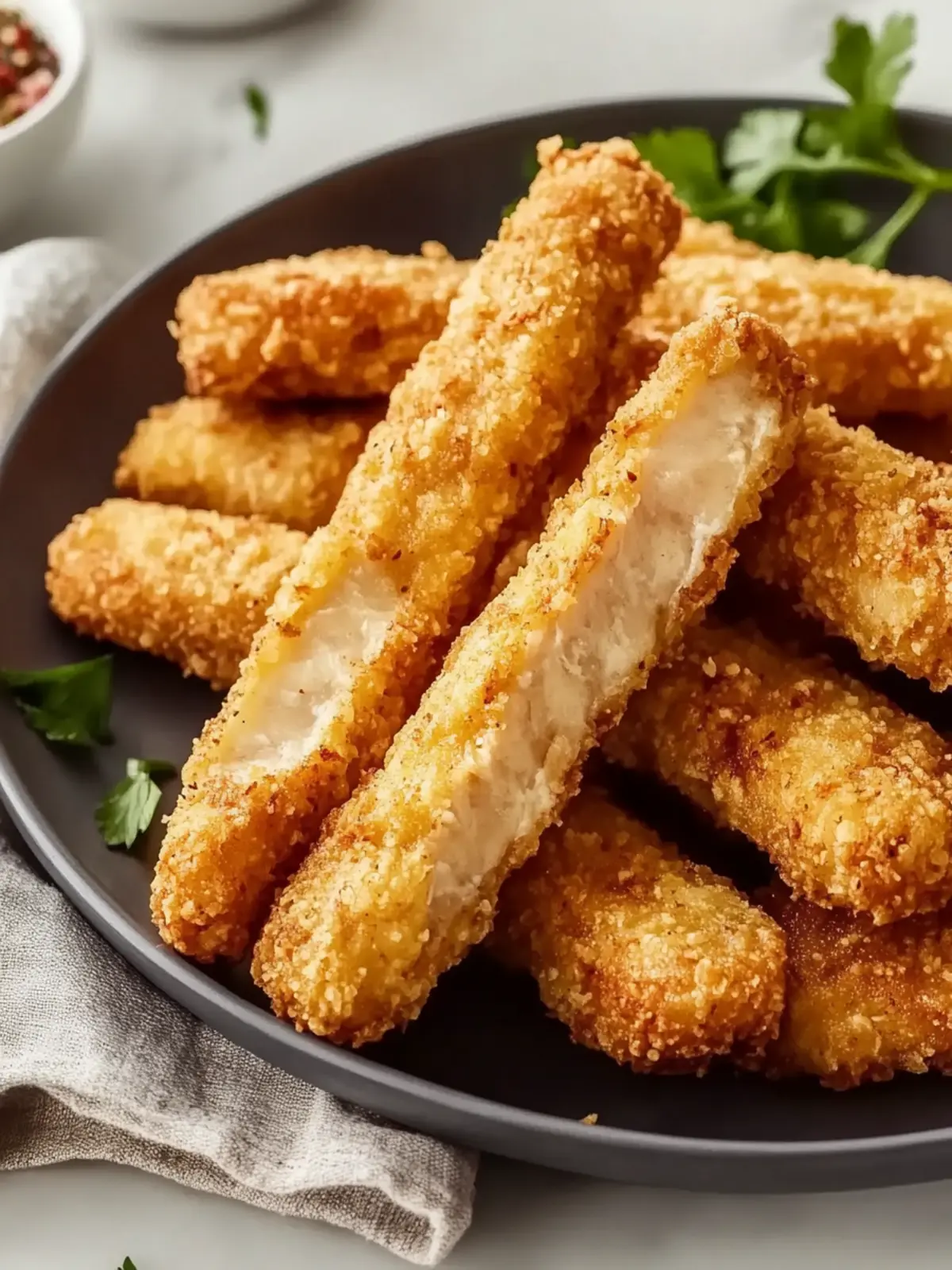
Why are Baked Canned Tuna Fish Sticks so popular?
Quick and Easy: This recipe comes together in no time, making it perfect for busy weeknights when you need a meal on the table fast.
Budget-Friendly: Using canned tuna means you can enjoy a delicious, home-cooked meal without breaking the bank.
Kid-Approved: The crispy coating and cheesy interior are sure to win over even the pickiest of eaters, making dinnertime a breeze.
Versatile Customization: Whether you want to switch up the cheese or experiment with different seasonings, this recipe invites creativity in the kitchen!
Make-Ahead & Freezable: Prep a batch ahead of time and store them in the freezer for a quick and healthy meal anytime.
Bring home excitement for your family dinner with these delectable fish sticks!
Baked Canned Tuna Fish Sticks Ingredients
For the Fish Stick Mixture
• Canned Tuna – Choose tuna packed in water for a drier, easier-to-handle mixture.
• Cheddar Cheese – Adds fantastic richness; swap for mozzarella if you prefer a milder taste.
• Egg – This acts as an essential binder to hold everything together; ensure it’s well-beaten for best results.
• Seasonings (Salt, Pepper, etc.) – Customize your flavor profile with garlic powder, onion powder, or your favorite herbs.
For the Crunchy Coating
• Crushed Pork Rinds – Provides a delectable crispy texture; ensure they’re finely ground for proper adhesion.
• Alternative Crunch Option – If desired, use crushed potato chips for a different flavor or breadcrumbs for a traditional touch.
Feel free to explore different binding ingredients or dipping sauces to match your family’s taste! Enjoy your Baked Canned Tuna Fish Sticks for a satisfying meal that is as fun to make as it is to enjoy.
How to Make Baked Canned Tuna Fish Sticks
-
Preheat your oven to 400°F (200°C). This ensures the fish sticks bake evenly for that perfect crunch.
-
Combine drained canned tuna, shredded cheddar cheese, beaten egg, and your chosen seasonings in a mixing bowl. Mix thoroughly until everything is well incorporated for intense flavor.
-
Shape the mixture into uniform fry-like sticks. Keeping them similar in size will help achieve even cooking and a delightful texture throughout.
-
Line a baking sheet with parchment paper. Arrange the sticks on the sheet, making sure they aren’t crowded, allowing hot air to circulate for maximum crispiness.
-
Bake for 20 minutes or until they turn golden brown and feel firm to the touch. A beautiful golden exterior indicates they are perfectly cooked!
-
Cool the fish sticks slightly before serving. This allows the coating to set up a bit more and makes for an enjoyable eating experience.
Optional: Serve these with ranch dressing or spicy mayo for a flavor explosion!
Exact quantities are listed in the recipe card below.
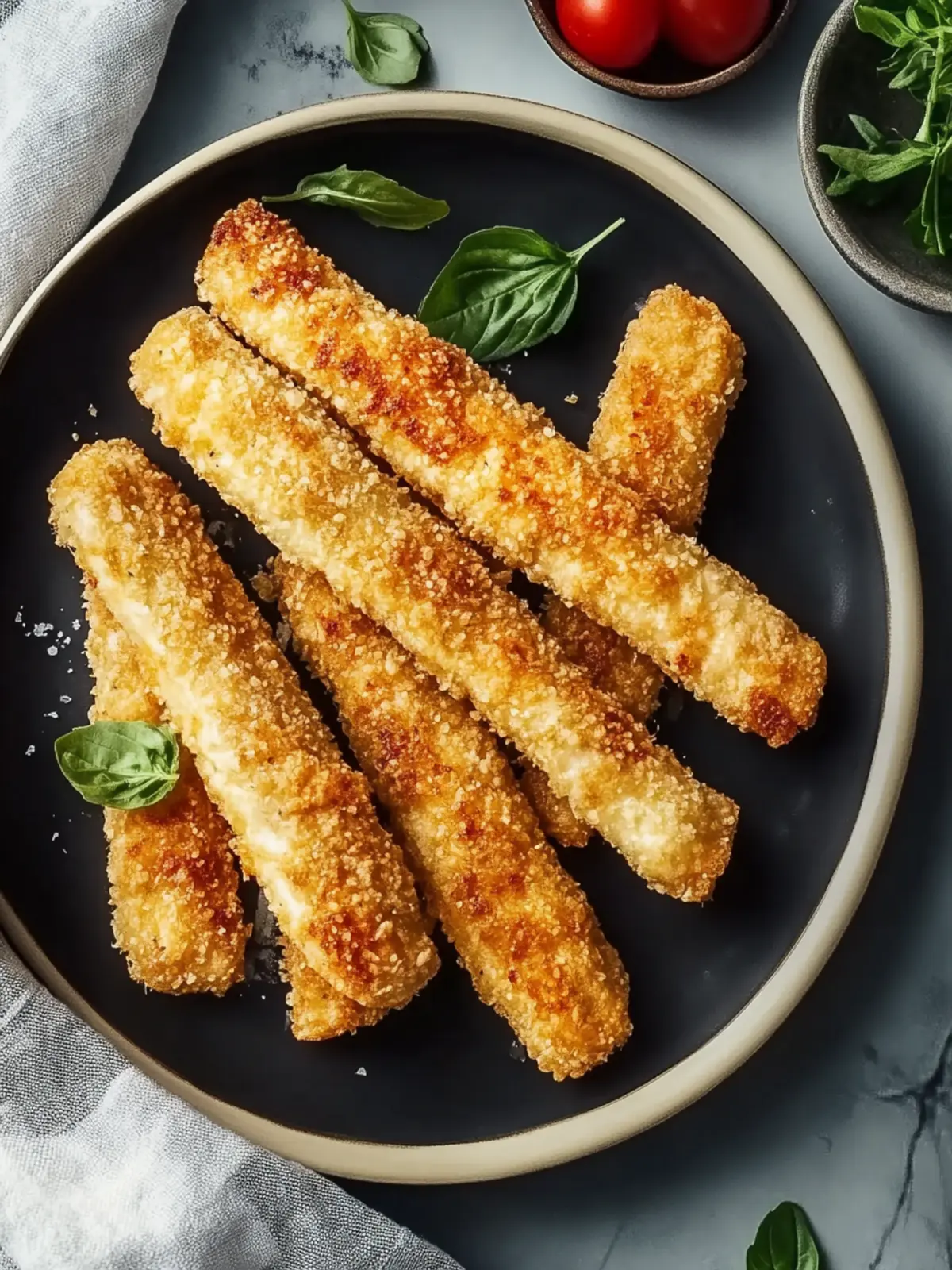
Make Ahead Options
These Baked Canned Tuna Fish Sticks are ideal for meal prep enthusiasts! You can prepare the tuna mixture (drained canned tuna, cheese, egg, and seasonings) and refrigerate it for up to 24 hours before baking. To do so, simply cover the bowl tightly with plastic wrap, which helps maintain moisture and prevents dryness. When you’re ready to serve, shape the mixture into sticks, place them on a lined baking sheet, and bake as directed. If you want to get a jump on the week, you can freeze the shaped sticks for up to 2 months; just freeze them in a single layer before transferring to a zip-top bag. Reheat straight from the freezer in the oven for best results, ensuring they’re just as delicious as when you first made them!
Expert Tips for Baked Canned Tuna Fish Sticks
-
Moisture Control: Drain and pat the canned tuna dry thoroughly to avoid a soggy mixture. This step is crucial for achieving crispy baked canned tuna fish sticks.
-
Chill Time: Let the tuna mixture rest in the refrigerator for 15 minutes before shaping. This helps firm it up, making the sticks easier to handle.
-
Uniform Size: Shape the sticks into similar sizes for even baking. This ensures all pieces cook at the same rate, providing a consistent texture.
-
Avoid Overcrowding: Place the fish sticks on the baking sheet without overcrowding. This guarantees maximum crispiness, so bake in batches if needed.
-
Perfect Baking: Monitor them closely as they bake; the ideal time is about 20 minutes, or until they are golden brown and firm to the touch.
Storage Tips for Baked Canned Tuna Fish Sticks
Fridge: Store leftovers in an airtight container with a paper towel for up to 3 days to maintain their crispiness without getting soggy.
Freezer: Freeze the fish sticks in a single layer with parchment paper between layers for up to 2 months. This prevents sticking and keeps them fresh.
Reheating: For the best texture, reheat in an air fryer or oven at 375°F (190°C) for about 10 minutes until heated through and crispy again. Enjoy your Baked Canned Tuna Fish Sticks as if they were just made!
Baked Canned Tuna Fish Sticks Variations
Feel free to unleash your inner chef and adapt these delightful fish sticks to create a dish that’s uniquely yours!
-
Cheese Swap: Use pepper jack cheese for a spicy twist or feta for a tangy punch—both will elevate the flavor!
-
Herb Infusion: Add fresh dill or chives for a burst of flavor and a hint of freshness that complements the tuna beautifully.
-
Crunchy Coating Options: Instead of pork rinds, try crushed tortilla chips or seasoned breadcrumbs for a different texture and flavor.
-
Dipping Sauce Variety: Mix up your dipping sauces—serve with garlic aioli, sweet chili sauce, or a zesty yogurt dip to tantalize the taste buds!
-
Heat Factor: Sprinkle in some cayenne pepper or a few drops of hot sauce to the mixture for a delightful kick that the adults will love.
-
Zesty Lemon Twist: Grate some lemon zest into the mixture for a refreshing citrus flavor that cuts through the richness of the cheese.
-
Quinoa Boost: For added nutrition, mix in a handful of cooked quinoa—this will not only boost protein but also add a fun texture.
-
Vegetarian Version: Substitute the tuna with mashed chickpeas or black beans for a tasty vegetarian treat that everyone will enjoy!
Let your creativity shine and make these Baked Canned Tuna Fish Sticks your own!
What to Serve with Baked Canned Tuna Fish Sticks?
Elevate your dinner table by pairing these crispy delights with complementary sides and flavors that the whole family will adore.
-
Creamy Coleslaw: This crunchy, tangy side adds freshness, balancing the rich flavors of the fish sticks.
-
Crispy Oven Fries: The satisfying crunch of fries complements the soft interior of the tuna sticks, creating a nostalgic, diner-style meal.
-
Garden Salad: A light, vibrant salad brings a burst of color, while the vegetables offer a refreshing contrast to the fish’s flavors.
-
Tartar Sauce: This classic accompaniment provides a creamy, zesty dip that enhances the savory notes in the fish sticks. You can easily mix it to your taste too!
-
Sweet Potato Wedges: Roasted sweet potatoes offer a hint of natural sweetness that pairs beautifully with the savory, cheesy fish sticks.
-
Vegetable Stir-Fry: A quick, colorful mix of seasonal vegetables delivers crunch and nutrition, making your plate more balanced and wholesome.
Savor your fish sticks with these delightful sides for a complete, satisfying meal your family will request again and again!
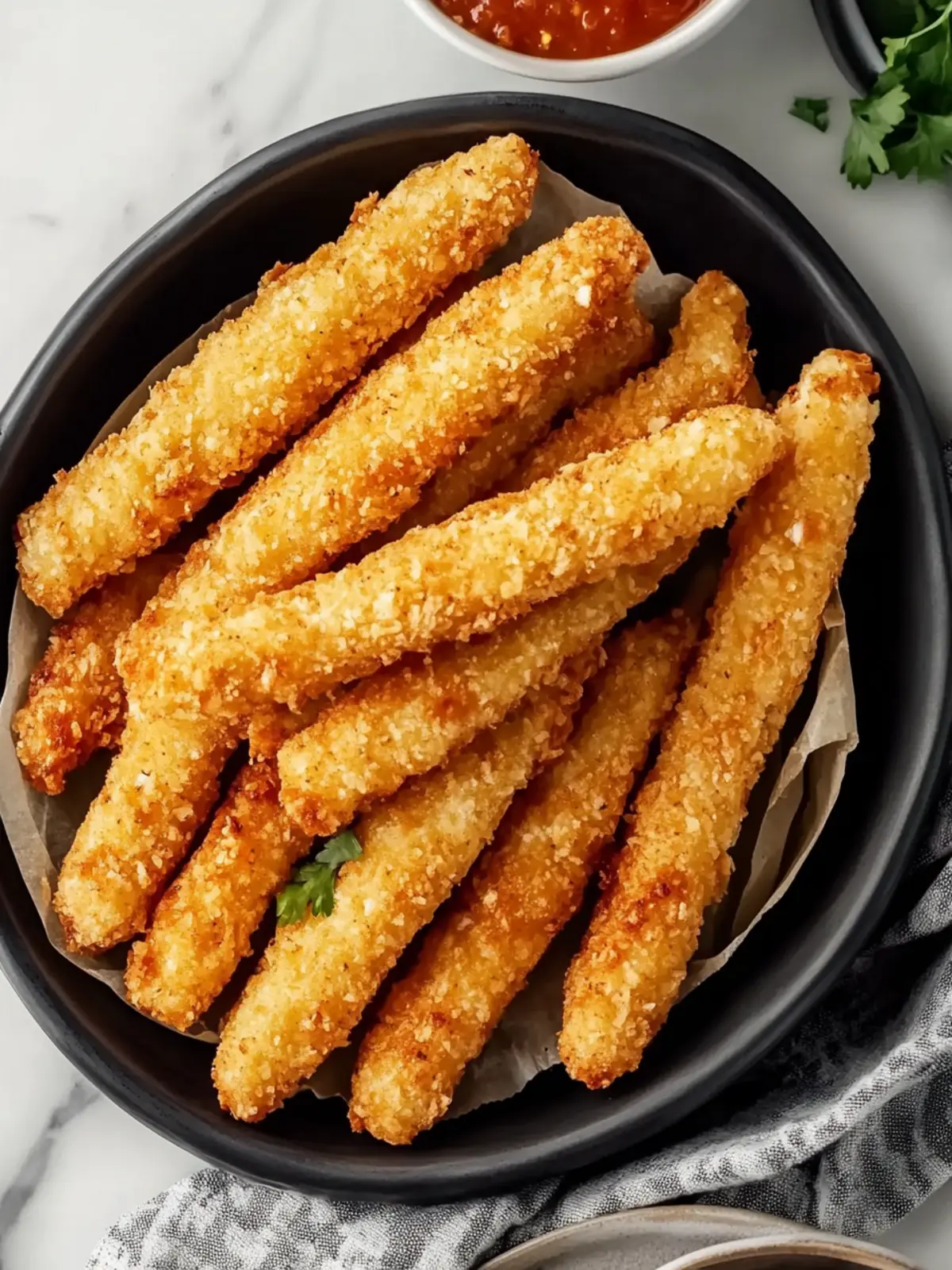
Baked Canned Tuna Fish Sticks Recipe FAQs
What type of canned tuna is best for this recipe?
I recommend using canned tuna packed in water for a drier texture, which makes it easier to form into sticks. Tuna packed in oil may result in a soggier consistency, which can affect the final crispiness.
How do I store leftover Baked Canned Tuna Fish Sticks?
Store your leftover fish sticks in an airtight container with a paper towel for up to 3 days in the fridge. The paper towel helps absorb moisture, maintaining their crispiness longer.
Can Baked Canned Tuna Fish Sticks be frozen?
Absolutely! To freeze, place the cooked fish sticks in a single layer on a baking sheet. Add parchment paper between layers and store them in a freezer-safe container for up to 2 months. This prevents sticking and makes reheating a breeze.
How do I reheat the tuna fish sticks for the best texture?
For optimal crispiness, I suggest reheating in an air fryer at 375°F (190°C) for about 10 minutes or in an oven at the same temperature until heated through. This method restores their crunch, making them taste freshly baked!
Is there a way to make these fish sticks gluten-free?
Yes! You can substitute the crushed pork rinds with gluten-free breadcrumbs or ground almonds for a crispy coating. This allows everyone to enjoy Baked Canned Tuna Fish Sticks without worry.
What if my mixture doesn’t hold together?
If your mixture seems too crumbly, try adding another beaten egg or a little more cheese to help bind it together. Letting it chill in the fridge for 15 minutes before shaping can also help firm things up. Don’t worry; it can happen to the best of us!
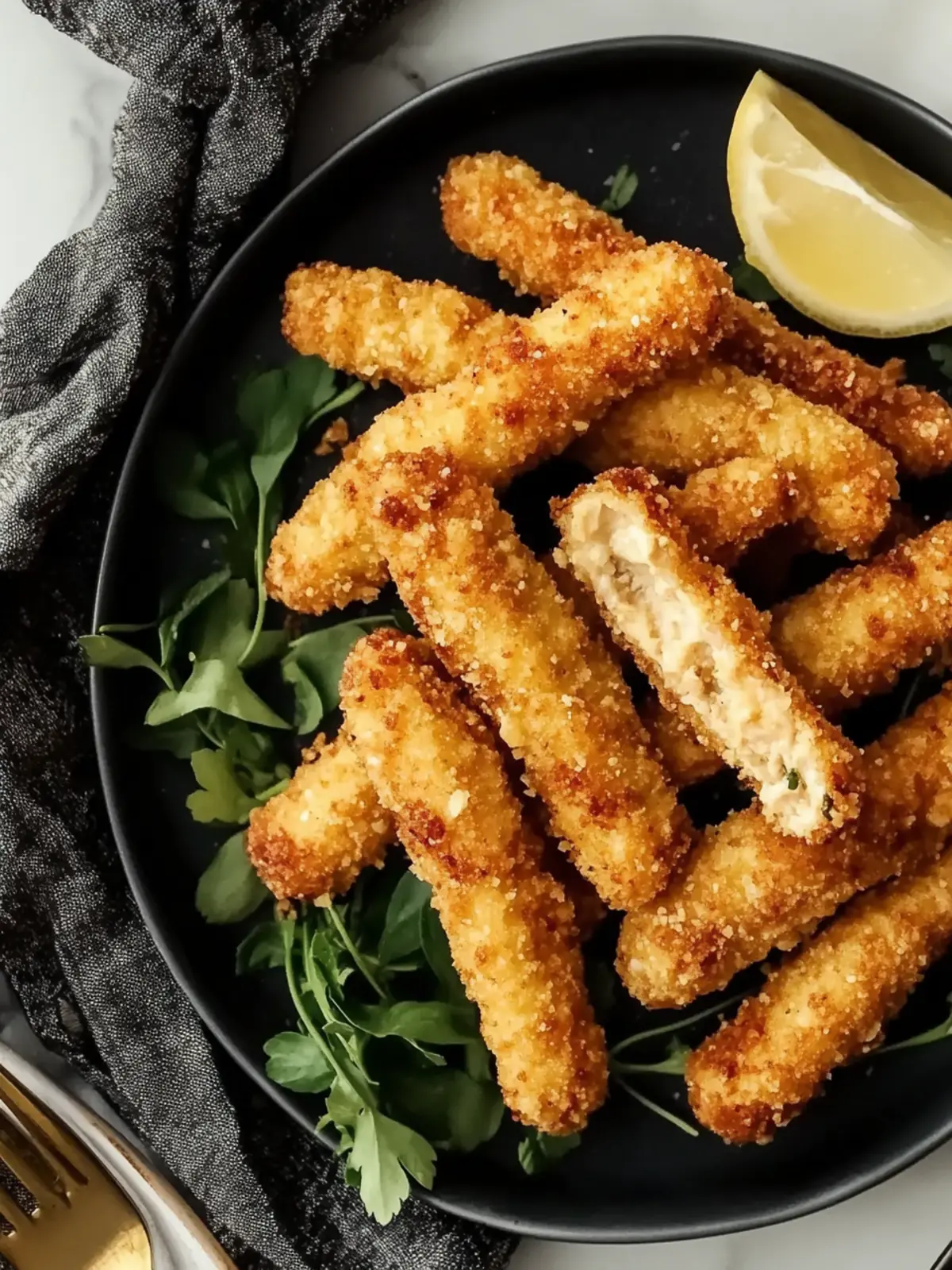
Crispy Baked Canned Tuna Fish Sticks for a Family Feast
Ingredients
Equipment
Method
- Preheat your oven to 400°F (200°C).
- Combine drained canned tuna, shredded cheddar cheese, beaten egg, and your chosen seasonings in a mixing bowl.
- Shape the mixture into uniform fry-like sticks.
- Line a baking sheet with parchment paper and arrange the sticks on the sheet.
- Bake for 20 minutes or until golden brown and firm to the touch.
- Cool the fish sticks slightly before serving.