
The vibrant colors and enticing aromas of Bibimbap with Ground Beef are a feast for the senses that never fail to ignite my passion for home-cooked meals. I discovered this delicious Korean dish during a spontaneous cooking session, and it quickly became a family favorite. The combination of fresh vegetables, savory ground beef, and a touch of gochujang creates a beautifully balanced explosion of flavors that warms my heart and tummy.
What I love most about this dish is its versatility; you can adapt it according to your preferences or whatever ingredients you have on hand. Whether you’re entertaining friends, enjoying a cozy dinner, or simply craving a homemade meal, Bibimbap hits the spot. Plus, it’s a wonderful way to recreate the joyful experience of sharing a meal, allowing everyone to customize their bowl.
Let’s roll up our sleeves and craft this delightful bowl together—your taste buds will thank you!
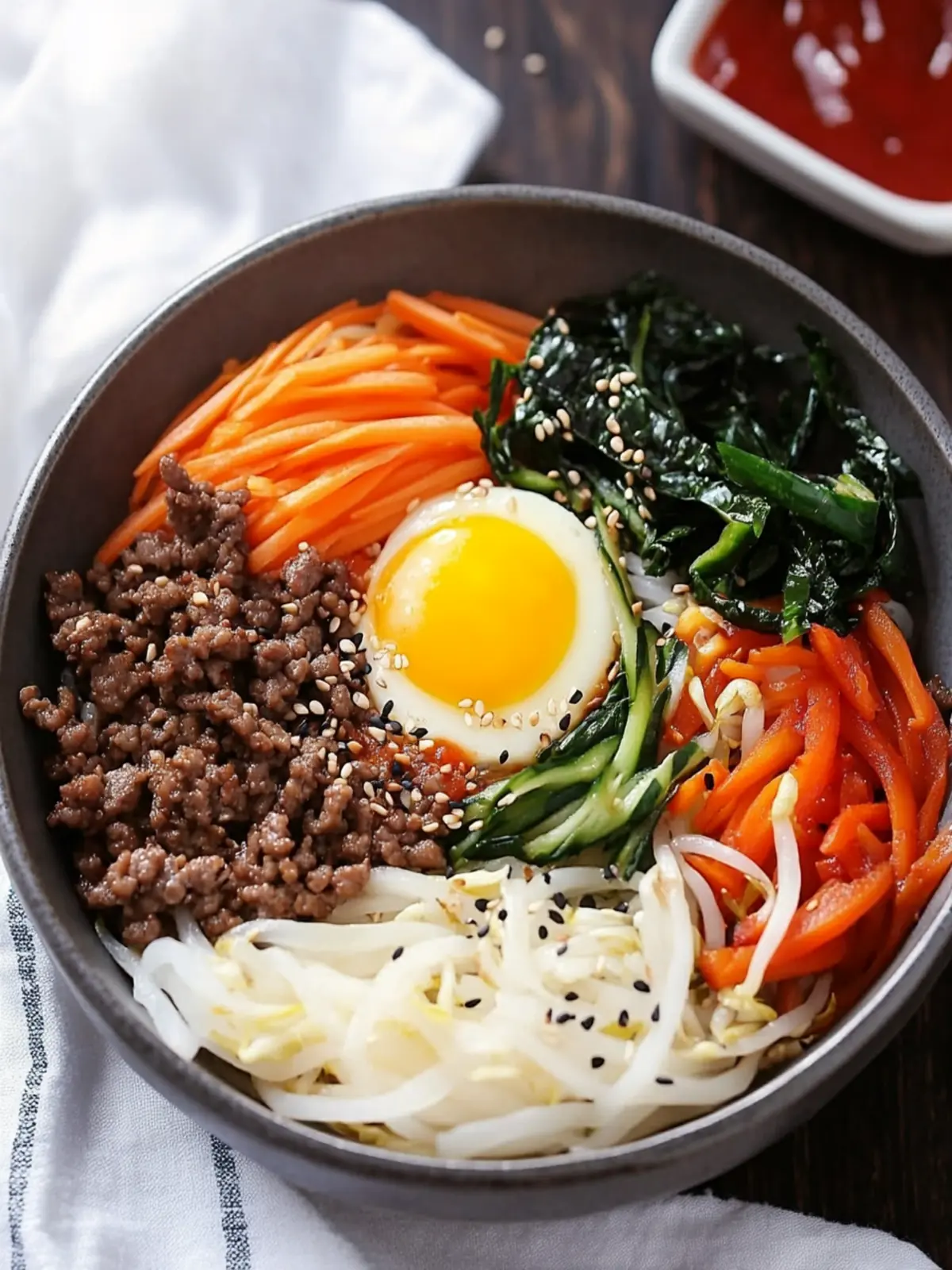
Why will you love Bibimbap with Ground Beef?
Vibrant, this dish is a feast for the eyes as well as the palate, with colorful veggies and beautifully arranged toppings.
Easy to customize, swap or add ingredients to create your perfect combination, catering to each guest’s preferences.
Rich in flavor, the savory ground beef mixed with gochujang sauce offers a punch of taste that’s irresistible.
Wholesome and nutritious, packed with protein, fiber, and essential vitamins, Bibimbap makes for a hearty meal.
Quick to prep, this 50-minute recipe is perfect for busy weeknights or casual gatherings—deliciousness on the table in no time!
Bibimbap with Ground Beef Ingredients
For the Sauce
• Gochujang – a staple in Korean cuisine, this spicy chili paste will give your Bibimbap an authentic kick.
• Honey or Sugar – balances the heat of gochujang for a well-rounded sauce.
• Minced Garlic – adds depth of flavor; fresh garlic is always best!
• Toasted Sesame Oil – enhances the nutty flavor profile of the sauce.
For the Vegetables
• Mung Bean Sprouts or Soy Bean Sprouts – provide crunch and a fresh bite; feel free to substitute with other sprouts if needed.
• Baby Spinach – wilted spinach adds nutrition and a vibrant green color; use kale if you prefer a sturdier green.
• Carrot – julienned for a sweet, crunchy texture; other colorful veggies can be added for variety.
• Sliced Mushrooms – shiitake or your favorite type for a savory umami boost.
For the Protein
• Ground Beef (80/20) – delivers a rich flavor and satisfying texture; swap for ground turkey or tofu for a healthier option.
• Soy Sauce – brings saltiness and depth; low-sodium versions are great if watching salt intake.
For the Base
• Cooked White Rice – this dish is traditionally served over rice; experiment with brown rice or cauliflower rice for a twist.
• Large Eggs – fried to perfection, they add creaminess and richness to your bowl.
Optional Garnishes
• Green Onion – thinly sliced, they provide a fresh crunch; cilantro is a great alternative for a different flavor.
• Toasted Sesame Seeds – sprinkled on top for a delightful nutty finish; swap with crushed peanuts for a change.
• Oil – for cooking as needed, choose vegetable or sesame oil to stay in theme.
Explore the vibrant world of Bibimbap with Ground Beef; with these fresh ingredients, you’ll create a dish that not only satisfies but brings joy to your dinner table!
How to Make Bibimbap with Ground Beef
-
Mix the Sauce: Combine gochujang, honey, minced garlic, and sesame oil in a bowl. Stir well until everything is seamlessly blended, creating your delicious bibimbap sauce. Set aside to let the flavors meld.
-
Boil Water: Fill a pot with water and bring it to a rolling boil. This will be used for blanching your bean sprouts and spinach, ensuring they remain vibrant and fresh!
-
Cook the Bean Sprouts: For the Bean Sprouts: Add mung bean sprouts to the boiling water and cook for 2 to 3 minutes. They should turn translucent. Drain, rinse with cold water, and season with salt and toasted sesame oil. Set aside.
-
Wilt the Spinach: For the Spinach: In the same boiling water, add the baby spinach and cook for just about 30 seconds until wilted. Drain and rinse under cold water before seasoning with salt and sesame oil. Set aside.
-
Brown the Beef: In a medium saucepan over medium heat, cook the ground beef until it’s no longer pink. If there’s excess fat, drain it. Stir in soy sauce, honey, minced garlic, and sesame oil; let it simmer for about 5 minutes until the sauce has thickened slightly. Keep warm.
-
Sauté the Mushrooms: For the Mushrooms: In a separate pan, heat oil over medium-high heat. Add sliced mushrooms and sauté until cooked through, about 5 minutes. Season with salt and finish with toasted sesame oil. Remove from the pan and set aside.
-
Sauté the Carrots: For the Carrots: In the same pan, add more oil if needed and sauté the julienned carrots until they’re tender and bright, about 4 minutes. Season with salt and sesame oil before removing from the pan.
-
Fry the Eggs: For the Eggs: Heat oil in the same pan until it starts to shimmer. Carefully fry the eggs until the whites are set but the yolks are still runny, about 2-3 minutes. Remove and set aside.
-
Assemble the Bowls: In each bowl, generously add a scoop of cooked white rice. Arrange the bean sprouts, spinach, carrots, mushrooms, and ground beef artfully around the rice. Nestle a fried egg right in the center, creating a lovely focal point.
-
Drizzle the Sauce: Finally, drizzle your prepared bibimbap sauce over each bowl and mix everything together just before digging in to enjoy a burst of flavor!
Optional: Garnish each bowl with sliced green onions and toasted sesame seeds for an extra touch of crunch.
Exact quantities are listed in the recipe card below.
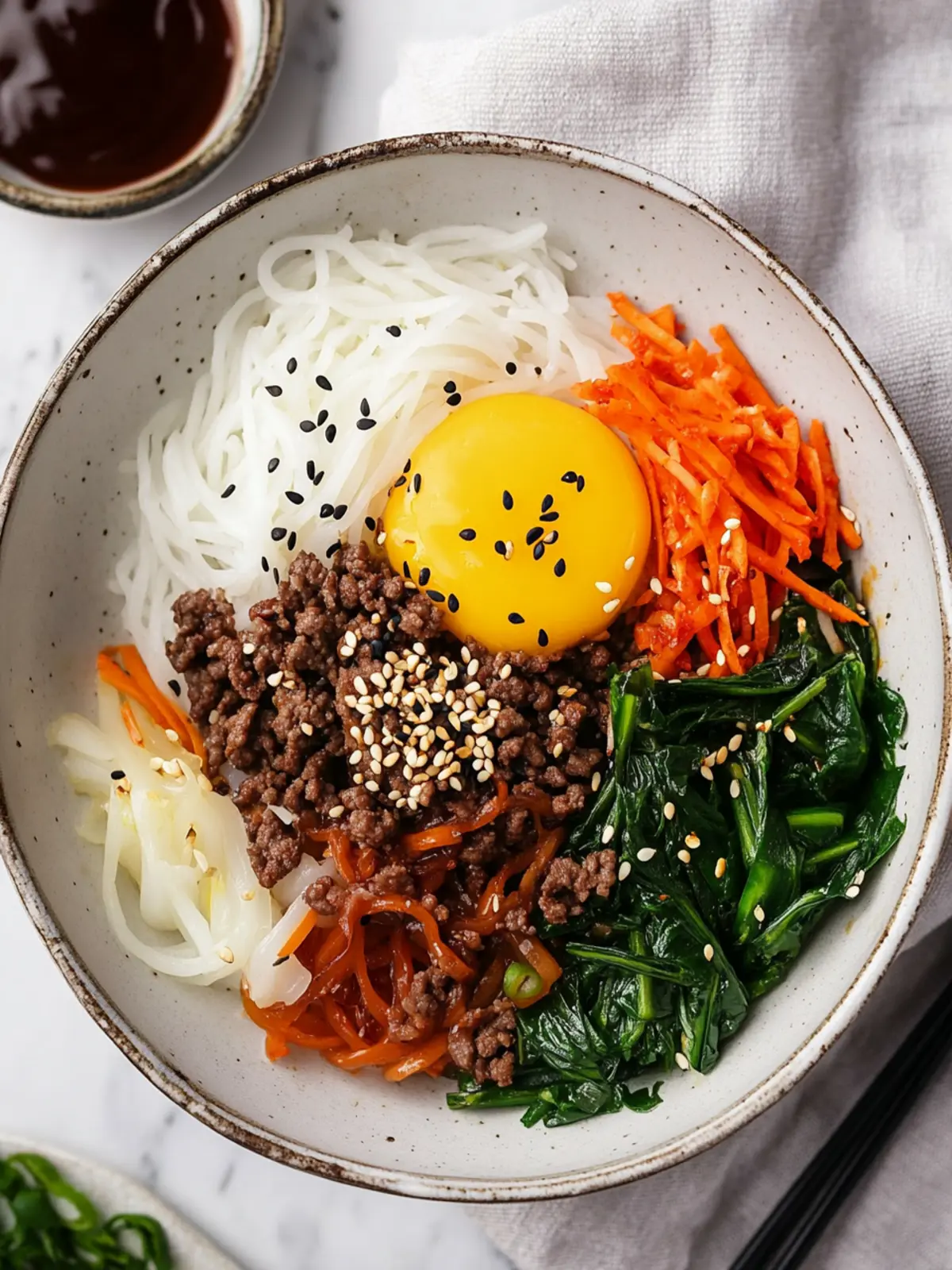
Bibimbap with Ground Beef Variations
Don’t hesitate to make this dish your own; let your imagination run wild with these delightful twists!
-
Vegetarian: Replace ground beef with firm tofu or tempeh for a hearty plant-based option. Add more veggies for extra flavor and texture!
-
Spicy Kick: Mix in some sliced or diced jalapeños for an added layer of heat. They’ll bring an extra zing to every bite, ensuring a thrilling dining experience.
-
Whole Grain: Swap white rice with brown rice or quinoa for a nuttier flavor and a boost of fiber. These alternatives not only enhance nutrition but add great texture.
-
Mushroom Medley: Use a variety of mushrooms, like oyster, portobello, or cremini, to deepen the umami flavor of your bibimbap. Each adds a unique element that surprises the palate.
-
Korean BBQ Beef: Season your ground beef with Korean barbecue sauce instead of soy sauce for a smokier, sweeter flavor. This swap adds a wonderful depth to the dish.
-
Sweet & Savory: Incorporate diced sweet potatoes into the mix for a touch of sweetness. Their creamy texture balances the savory elements beautifully.
-
Nutty Boost: Drizzle some sriracha mixed with peanut butter over the top before serving. This unexpected twist ties together the flavors while adding a delightful creamy finish.
-
Egg Variations: Try soft-boiling the eggs instead of frying for a different presentation and texture! The runny yolk provides a delicious sauce as you mix your bibimbap.
What to Serve with Bibimbap with Ground Beef?
Bring your table to life with a medley of delicious pairings that enhance the vibrant flavors of Bibimbap.
-
Crispy Korean Fried Chicken: The crunch and spices of this dish create a delightful contrast, adding both texture and flavor! Perfectly salty and savory, it complements the sweetness of the Bibimbap sauce splendidly.
-
Refreshing Cucumber Salad: A cool, crisp salad brightens up the dish, balancing the heat of the gochujang beautifully. Tossed in sesame oil and rice vinegar, this salad offers a lovely crunch that enhances your meal experience.
-
Steamed Dumplings: These soft bundles of goodness can be filled with meat or veggies, providing a savory bite that pairs perfectly with your Bibimbap. They add a fun element—perfect for sharing and enjoying together!
-
Seaweed Salad: This salad brings a unique umami flavor and a slightly chewy texture that contrasts the tenderness of the Bibimbap. Dressed in sesame oil, it’s a refreshing side packed with nutrients.
-
Miso Soup: Warm and comforting, a bowl of miso soup has a cozy texture that complements everything. Simple yet flavorful, it serves as a soothing accompaniment to your meal.
-
Green Tea: A soothing cup of green tea cleanses the palate and enhances the flavors of your dishes, making it an ideal drink for a Korean-inspired feast. Plus, its health benefits are a nice bonus!
-
Fruit Sorbet: For dessert, a light fruit sorbet brings a refreshing end to your meal, providing a sweet contrast to the savory Bibimbap while cleansing the taste buds in the process!
Expert Tips for Bibimbap with Ground Beef
-
Prep Ingredients First: Having all your vegetables julienned and sauces mixed before cooking saves time and ensures a smooth assembly process.
-
Don’t Overcook the Veggies: Keep your vegetables vibrant and crunchy by cooking them just until tender—this adds fresh texture to your Bibimbap.
-
Use High Heat for the Eggs: When frying the eggs, make sure your oil is hot enough to set the whites quickly while keeping the yolk runny for that perfect creaminess.
-
Balance the Sauce: Adjust the sweetness or spiciness of the bibimbap sauce by fine-tuning the amount of honey or gochujang to suit your taste preferences.
-
Mix, Then Serve: To enjoy the full experience of Bibimbap with Ground Beef, mix all components in your bowl thoroughly before eating—the flavors meld beautifully!
Make Ahead Options
These Bibimbap with Ground Beef bowls are perfect for busy home cooks looking to save time on meal prep! You can prepare the bibimbap sauce and cook the vegetables (bean sprouts, spinach, carrots, and mushrooms) up to 3 days in advance. Simply refrigerate them in airtight containers to maintain freshness. Additionally, the ground beef can be cooked ahead of time and stored separately in the fridge. When you’re ready to serve, just reheat the beef and vegetables, cook the rice fresh, and fry the eggs to add that lovely touch just before serving. This way, you’ll enjoy the same delicious flavors with minimal effort on the day of serving!
How to Store and Freeze Bibimbap
- Fridge: Store any leftover Bibimbap in an airtight container for up to 3 days. Keep the sauce separate until you’re ready to enjoy it again for the best flavor.
- Freezer: For longer storage, freeze assembled bowls without the fried egg or sauce for up to 2 months. Before serving, thaw overnight in the fridge and reheat in the microwave or on the stovetop.
- Reheating: When reheating, add a splash of water or broth to the rice before microwaving to prevent it from drying out. Mix in the sauce and enjoy!
- Storing Ingredients: Keep cooked rice, vegetables, and beef stored separately in the fridge for easy assembly during the week—perfect for a quick homemade meal!
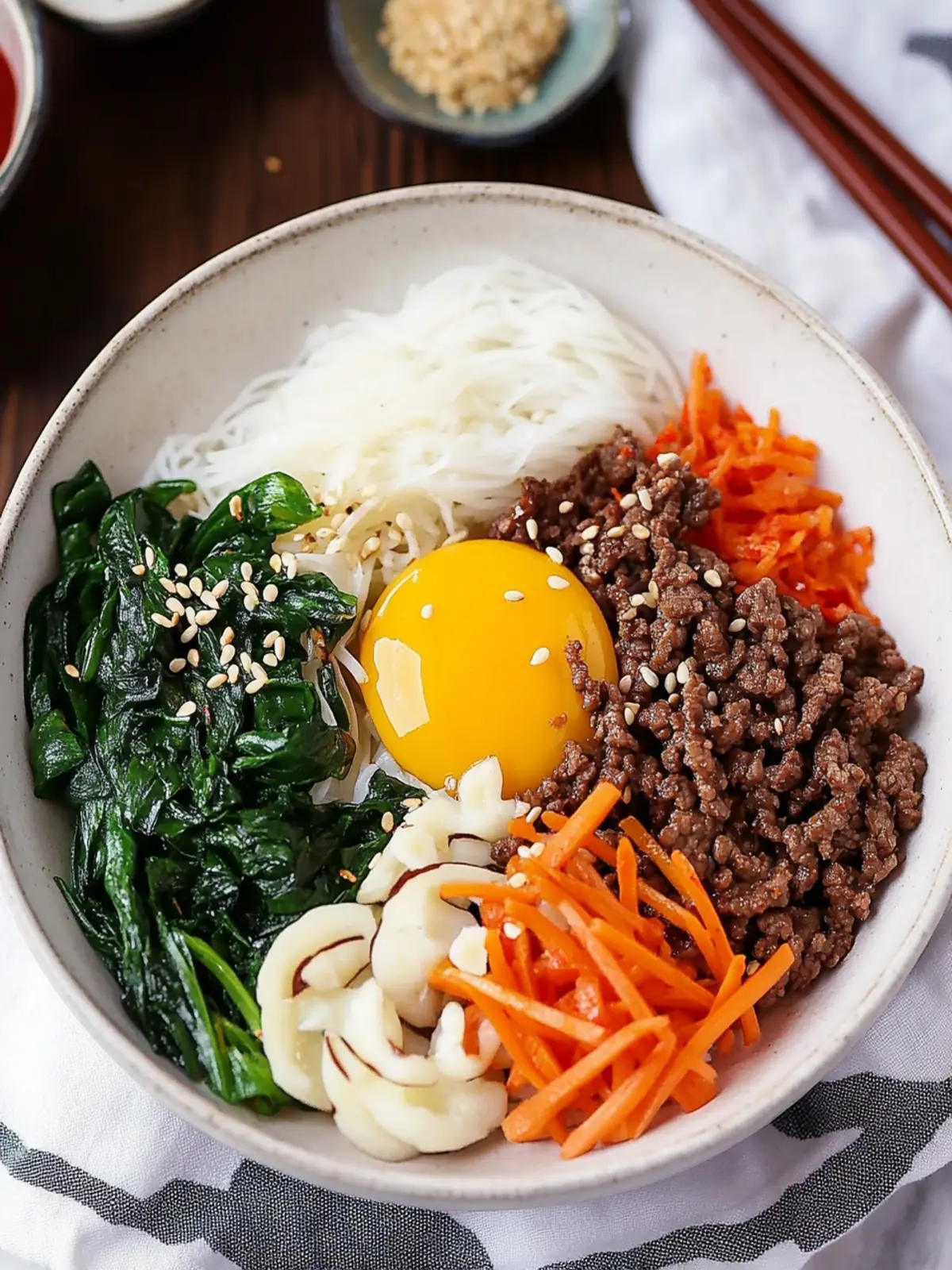
Bibimbap with Ground Beef Recipe FAQs
How do I choose the right gochujang?
Absolutely! When selecting gochujang, look for a vibrant red color and a smooth consistency. Opt for brands that don’t contain artificial preservatives and have a simple ingredient list—this ensures the best flavor for your Bibimbap with Ground Beef.
How long does leftover Bibimbap last in the fridge?
Very! You can store any leftover Bibimbap in an airtight container in the fridge for up to 3 days. However, keep the sauce separate until you’re ready to enjoy it again for maximum freshness and flavor.
Can I freeze assembled Bibimbap?
Of course! To freeze, assemble the bowls without the fried egg and sauce, and wrap them tightly to prevent freezer burn. They can be stored for up to 2 months. When you’re ready to eat, thaw in the fridge overnight and reheat in the microwave or on the stovetop for a quick meal.
What if my vegetables turn out soggy?
If your veggies end up soggy, don’t worry! Make sure to cook them just until tender and vibrant; avoid overcooking. If you notice them getting mushy, you can always crisp them up in a hot pan for a minute or two before serving. Remember, keeping a close eye on cooking times ensures that they retain their delightful crunch.
Is there a vegetarian alternative for the ground beef?
Absolutely! If you’re looking for a vegetarian option, you can replace the ground beef with textured vegetable protein (TVP), crumbled tofu, or even sliced tempeh, sautéed with the same seasonings. This way, you still get a delicious and satisfying bowl of Bibimbap while catering to your dietary preferences!
Can I use brown rice instead of white rice?
The more the merrier! Brown rice is a fabulous alternative. It’ll add a slightly nuttier flavor and more nutrients to your Bibimbap. Just be aware that it may require a bit more cooking time. Make sure to prepare it in advance so that all your ingredients can come together beautifully!
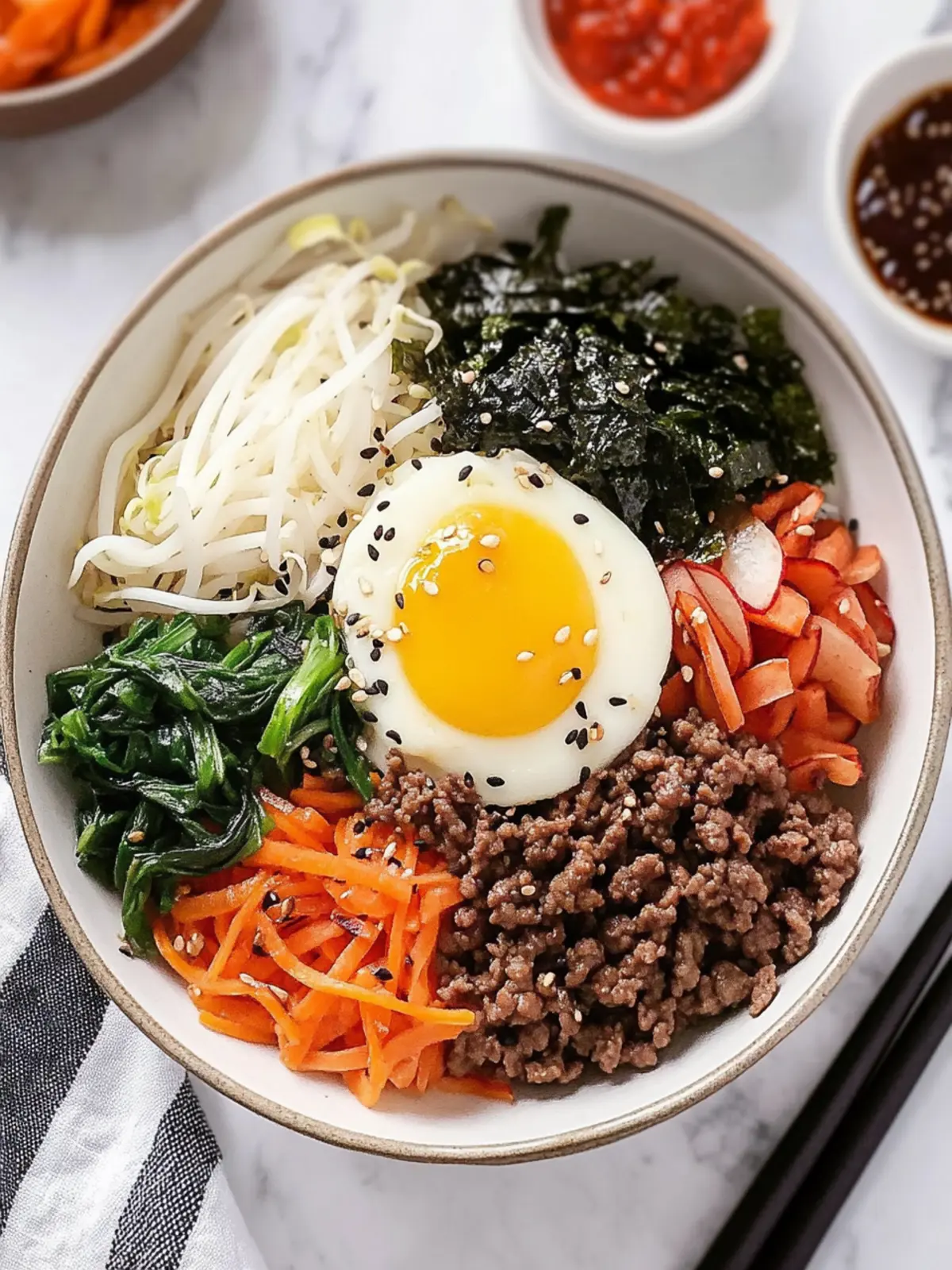
Delicious Bibimbap with Ground Beef: A Flavorful Twist!
Ingredients
Equipment
Method
- Combine gochujang, honey, minced garlic, and sesame oil in a bowl. Stir well to create the sauce.
- Fill a pot with water and bring it to a boil for blanching the bean sprouts and spinach.
- Add mung bean sprouts to boiling water and cook for 2-3 minutes. Drain and rinse with cold water.
- In the same boiling water, add baby spinach and cook for about 30 seconds until wilted. Rinse under cold water.
- In a medium saucepan, cook ground beef over medium heat until no longer pink. Drain excess fat, stir in soy sauce, honey, garlic, and sesame oil; simmer for 5 minutes.
- In a separate pan, heat oil and sauté sliced mushrooms for about 5 minutes. Season and set aside.
- Sauté julienned carrots until tender in the same pan, seasoning afterwards.
- Fry the eggs in hot oil until whites are set but yolks are runny.
- In each bowl, add cooked rice and artfully arrange bean sprouts, spinach, carrots, mushrooms, and ground beef. Top with a fried egg.
- Drizzle with bibimbap sauce, mix before serving to enjoy!