
Authentic Italian Sfogliatelle is the kind of pastry that makes a home kitchen feel like a small bakery in Naples. With crisp, shell-like layers and a creamy ricotta filling scented with vanilla, cinnamon, and candied orange peel, this classic Italian dessert looks impressive and tastes unforgettable.
This Authentic Italian Sfogliatelle recipe is designed for home bakers who want the real texture: thin pastry sheets, rich filling, golden edges, and that signature flaky bite. It takes time, but the steps are simple when you break them down into dough, filling, shaping, and baking.
What Makes This Recipe Worth Baking
Authentic Italian Sfogliatelle stands out because every bite gives you contrast. The outside is crisp and layered, while the inside is soft, creamy, and lightly citrusy. It is not an everyday pastry you rush through; it is a special bake that rewards patience.
Authentic Italian Sfogliatelle also uses accessible ingredients. Flour, water, honey, ricotta, milk, semolina, butter, and orange peel come together to create a bakery-style result without complicated equipment. A pasta machine helps roll the dough thinly, but the process is still approachable for a careful home baker.
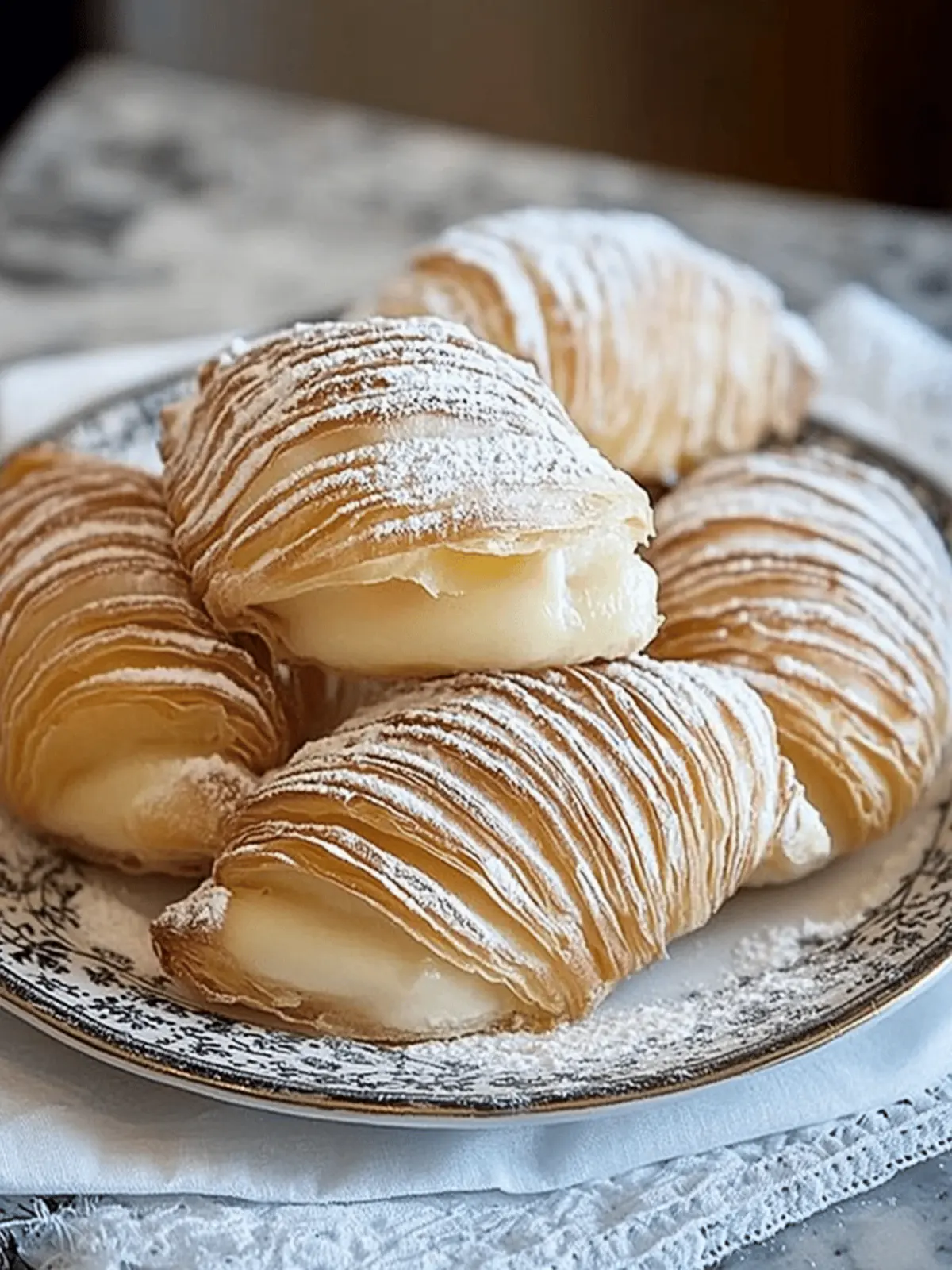
What Is Sfogliatelle?
Sfogliatelle is a traditional Italian pastry known for its ridged, layered shape. The name is connected to the word for “small leaves,” which perfectly describes the delicate sheets of dough that separate as the pastry bakes.
Authentic Italian Sfogliatelle is often associated with Naples and is usually filled with a sweet ricotta and semolina cream. Candied orange peel gives the filling its classic brightness, while cinnamon and vanilla add warmth. Authentic Italian Sfogliatelle is best served fresh, when the outside is still crisp and the filling is tender.
Ingredients for Authentic Italian Sfogliatelle
For the Dough
Use 500 grams of all-purpose flour as the base of the pastry. Add 1 pinch of salt to balance the sweetness. You will also need 175 milliliters of cold water and 25 grams of honey. The honey adds light sweetness and helps the pastry brown beautifully in the oven.
For the Filling
The filling begins with 450 milliliters of whole milk, 100 grams of white sugar, and 150 grams of semolina flour. Once cooked, this mixture becomes thick and smooth. Add 500 grams of well-drained ricotta, 1 large egg, 1/2 teaspoon vanilla extract, 1 pinch of cinnamon, and 50 grams of finely chopped candied orange peel.
Good ricotta matters. If it looks watery, drain it before using. A thicker ricotta creates a smoother filling and helps keep the pastry from becoming soggy.
For Layering and Finishing
Use 150 grams of melted unsalted butter or lard for the layers. Butter gives a rich flavor, while lard creates a more traditional flaky texture. Finish the baked pastries with confectioners’ sugar just before serving.
How to Make Authentic Italian Sfogliatelle
1. Make the Dough
In a large bowl, combine the flour and salt. Slowly add the cold water and honey, mixing until a stiff dough forms. The dough should feel firm, not sticky. If it seems too dry, add a small splash of water, but avoid making it soft.
Transfer the dough to a lightly floured surface and knead for about 10 minutes. The goal is a smooth, elastic dough that can be rolled thinly later. Wrap it tightly in plastic wrap and refrigerate for 30 minutes.
2. Roll the Dough Thinly
Divide the chilled dough into four pieces. Work with one piece at a time and keep the rest covered so they do not dry out. Pass the dough through a pasta machine on the widest setting, fold it, and roll it again. Continue until the sheet becomes smooth.
Gradually reduce the pasta machine setting until the dough is very thin, about 1 millimeter. Thin dough is essential for Authentic Italian Sfogliatelle because the crisp layers depend on even rolling.
3. Add the Butter and Form the Roll
Lay one thin sheet of dough on your work surface. Brush it generously with melted butter or lard, making sure the fat reaches the edges. Roll the sheet tightly into a compact log.
Place the next buttered sheet at the end of the first roll and continue rolling, wrapping the new sheet around the log. Repeat with the remaining sheets until you have one thick pastry cylinder. Wrap the cylinder tightly and chill it for 1 to 2 hours. This rest helps the layers set and makes shaping easier.
4. Cook the Filling
In a saucepan, combine the milk, sugar, and a small pinch of salt. Bring the mixture to a gentle boil over medium heat. Stir in the semolina flour and continue stirring until the mixture thickens into a smooth cream.
Let the semolina mixture cool. Then mix in the ricotta, egg, vanilla, cinnamon, and candied orange peel. Stir until smooth and creamy. The filling for Authentic Italian Sfogliatelle should be thick enough to hold its shape when spooned into the pastry.
5. Shape the Pastries
Preheat the oven to 375°F. Remove the chilled pastry roll from the refrigerator and slice it into pieces about 1 centimeter thick.
Take one slice and gently press the center outward with greased fingers to form a cone or shell shape. Work slowly so the layers slide rather than tear. Spoon the ricotta filling into the center, then press the edges together to seal. Repeat with the remaining dough and filling.
6. Bake Until Golden
Arrange the filled pastries on a parchment-lined baking tray. Bake for about 30 minutes, or until the pastries are golden, crisp, and beautifully layered.
Let the pastries cool slightly, then dust with confectioners’ sugar. Authentic Italian Sfogliatelle tastes best warm, when the shell is crisp and the filling is creamy.
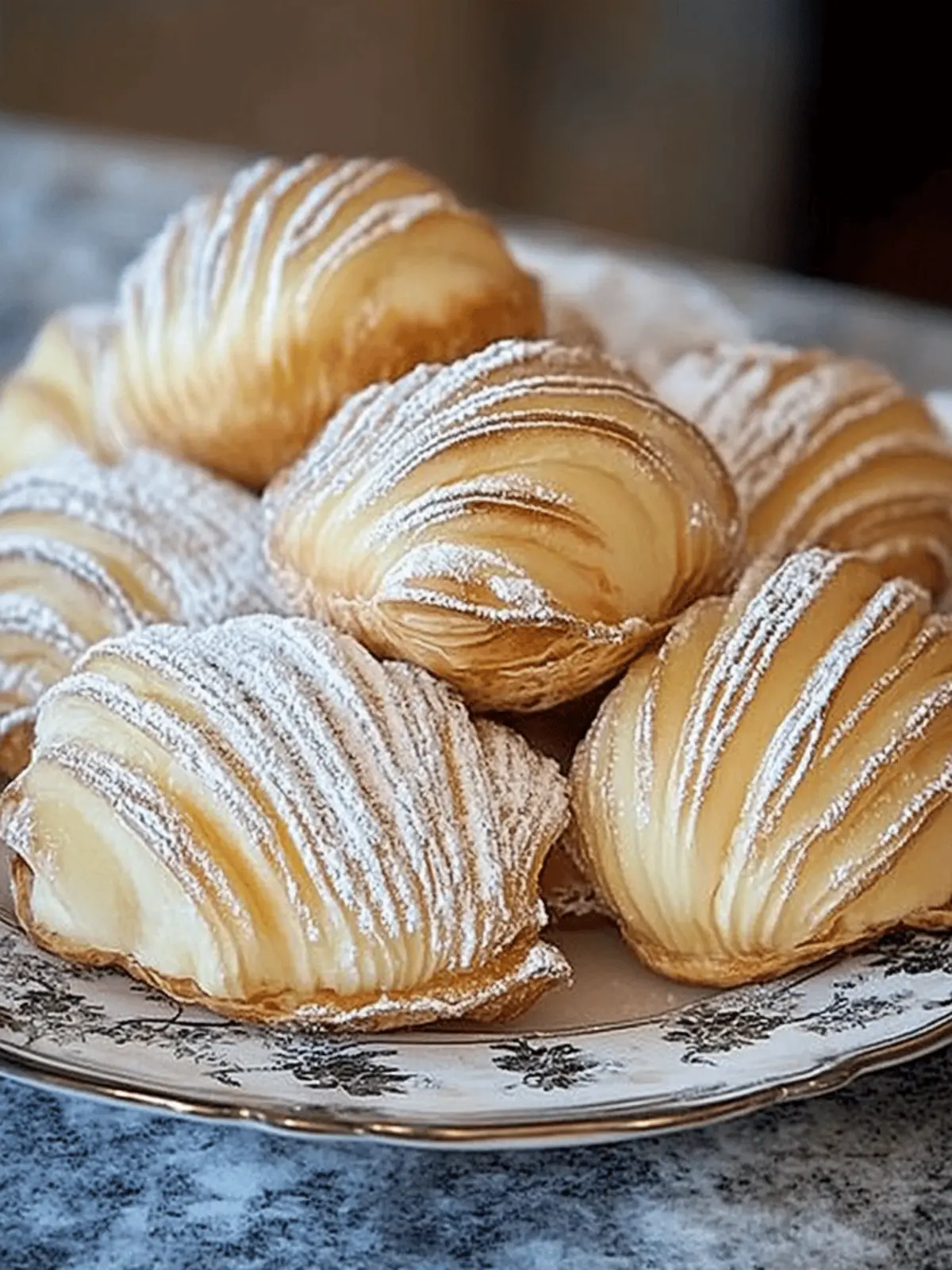
Expert Tips for Better Layers
Keep the dough firm. A soft dough can stretch unevenly and make the layers less defined.
Roll the dough as thinly and evenly as possible. Thick patches can become chewy instead of crisp.
Use enough butter or lard between the sheets. The fat separates the layers during baking and gives the pastry its signature texture.
Chill the rolled dough before slicing. This step helps the pastry hold its shape and makes the layers easier to open into cones.
Seal the pastries well. If the edges are loose, the filling may leak during baking.
Make-Ahead Instructions
You can prepare the dough and filling up to 24 hours ahead. Keep the dough wrapped tightly in the refrigerator and store the filling in an airtight container.
You can also shape the pastries a few hours before baking. Keep them chilled until the oven is ready. For the crispiest result, bake Authentic Italian Sfogliatelle close to serving time.
Storage and Reheating
Store leftover pastries in an airtight container at room temperature for up to 2 days. They are at their best the day they are baked.
For longer storage, refrigerate them for up to 3 days. Reheat in a 350°F oven for 10 to 15 minutes to bring back some crispness.
You can freeze unbaked shaped pastries for up to 1 month. Place them on a tray until firm, then transfer them to a freezer bag. Bake from frozen and add a few extra minutes to the baking time.
Flavor Variations
For a brighter filling, add a little lemon zest with the candied orange peel. For a richer version, fold mini chocolate chips into the ricotta cream. For extra texture, add finely chopped almonds, but only if you are not serving anyone with a nut allergy.
You can also use a mix of candied citrus peel for a deeper Italian bakery flavor. Keep the base filling thick, creamy, and balanced so the pastry remains the star.
What to Serve with Authentic Italian Sfogliatelle
Serve Authentic Italian Sfogliatelle with espresso for a classic pairing. The strong coffee balances the sweet ricotta filling and crisp pastry.
Fresh berries also work well because their tartness cuts through the richness. For a dessert plate, add vanilla ice cream, lemon sorbet, or a small drizzle of chocolate sauce.
These pastries are elegant enough for holidays, brunch, birthdays, or any occasion where you want a dessert that feels special.
Common Mistakes to Avoid
Do not skip resting the dough. Resting relaxes the gluten and makes rolling easier.
Do not overfill the pastry shells. Too much filling can burst through the seams.
Do not underbake. The pastry needs enough time to become crisp and golden.
Do not dust with confectioners’ sugar too early. Add it just before serving for the prettiest finish.
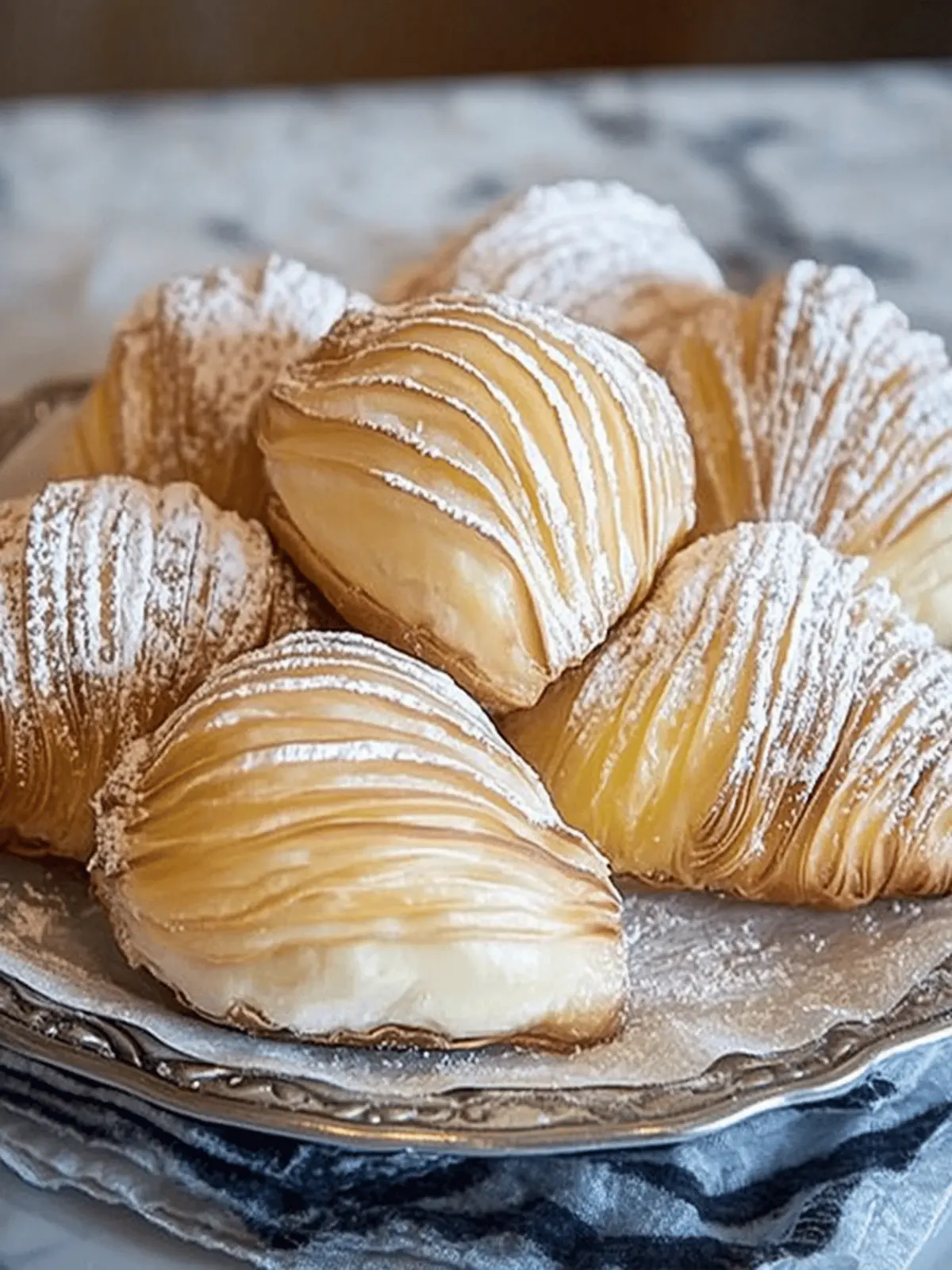
Frequently Asked Questions
Can I make Authentic Italian Sfogliatelle without a pasta machine?
Yes, but it takes more effort. You can roll the dough by hand with a rolling pin, but it must be very thin and even. A pasta machine gives more reliable layers.
Can I use butter instead of lard?
Yes. Butter adds rich flavor and works well for home baking. Lard gives a more traditional texture, but both options can make delicious Authentic Italian Sfogliatelle.
Why is my filling watery?
The ricotta may not have been drained well enough, or the semolina mixture may not have cooked until thick. Use well-drained ricotta and cook the semolina cream until it holds its shape.
Can I freeze baked sfogliatelle?
You can, but freezing unbaked pastries gives a better texture. Baked pastries may soften after thawing. Reheat them in the oven to restore crispness.
How do I know when they are done?
The pastries should be golden brown with visible crisp layers. The edges should look dry and flaky, not pale or soft.
Final Thoughts
Authentic Italian Sfogliatelle may look like a pastry reserved for professional bakeries, but it is absolutely possible to make at home. With thin dough, a rich ricotta-semolina filling, careful chilling, and patient shaping, you can create a dessert that feels both traditional and impressive.
Serve Authentic Italian Sfogliatelle warm, dusted with confectioners’ sugar, and enjoy the crisp layers, creamy center, and bright citrus aroma that make this Neapolitan pastry so beloved.
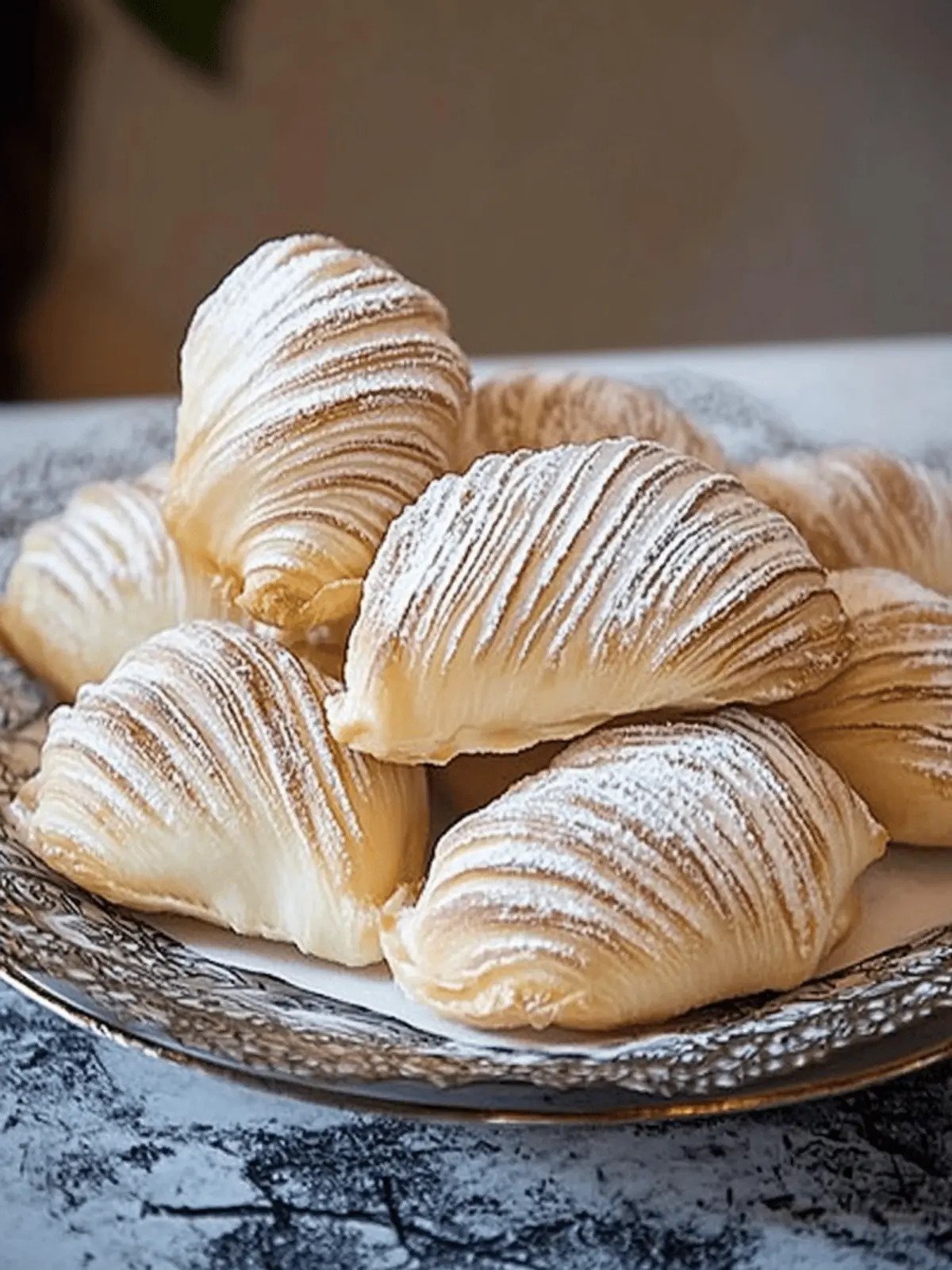
7 Amazing Tips for Authentic Italian Sfogliatelle Recipe at Home
Ingredients
Equipment
Method
- In a large bowl, mix the flour and salt. Gradually add the water and honey to form a stiff dough, adjusting with water as needed.
- Transfer the dough to a floured surface and knead until smooth (about 10 minutes). Wrap in plastic wrap and refrigerate for 30 minutes.
- Divide the dough into four pieces. Roll one piece through a pasta machine, folding and rolling until smooth and thin (around 1mm).
- Lay out each sheet and apply a thin layer of melted butter or lard.
- Roll the first sheet into a compact sausage shape.
- Envelop with the next sheet, covering tightly. Chill rolled dough for 1 to 2 hours.
- In a saucepan, combine milk, sugar, and salt over medium heat until boiling. Stir in semolina flour until thick.
- After cooling, mix in ricotta, egg, vanilla, cinnamon, and candied orange peel until smooth.
- Preheat your oven to 375°F.
- Slice the chilled pastry roll into 1cm pieces and create a cone shape in the center.
- Fill with the creamy filling and seal edges tightly.
- Arrange on a baking tray and bake for about 30 minutes until golden.
- Dust with confectioner’s sugar before serving.