
When I crave comfort food, there’s one dish that never fails to warm my heart: Dakdoritang. The onset of cooler weather often sends me into my kitchen, seeking out flavors that are both tantalizing and soul-soothing. The moment I start chopping garlic and feel the vibrant kick of gochugaru, I know I’m in for a delightful experience.
This Korean chicken stew combines tender bone-in chicken with a medley of vegetables, all simmered in a spicy-sweet sauce that’s downright addictive. I stumbled upon this recipe during a week when takeout was starting to feel all too routine. A dash of creativity and a few pantry staples transformed a bland evening into a culinary adventure.
Every bite of Dakdoritang brings with it not just incredible flavor but also a sense of satisfaction and warmth—perfect for sharing with family or impressing dinner guests. Let’s step into the kitchen together, and I’ll guide you through creating this vibrant dish that will soon become a beloved staple in your home!

Dakdoritang: Why Is It So Loved?
Unforgettable Taste: The rich combination of spices and ingredients delivers an explosion of flavor that will have everyone coming back for seconds.
Easy Preparation: Regardless of your cooking skills, this stew is simple to follow and takes just 30 minutes, making it perfect for busy weeknights.
Nourishing Goodness: Packed with wholesome chicken and veggies, it’s a comforting dish that nourishes both body and soul.
Versatile Enjoyment: Serve it with rice, noodles, or even by itself; this dish adapts to your preference, ensuring it suits any occasion.
Crowd-Pleaser: Whether you’re feeding a family or hosting friends, Dakdoritang is sure to impress even the pickiest eaters with its robust flavors.
Perfect for Any Season: Ideal for cozying up during colder months but equally delightful in any weather, this dish quickly becomes a kitchen staple.
Dakdoritang Ingredients
For the Chicken and Veggies
• 2 lb chicken – Bone-in, skin-on chicken thighs and drumsticks yield the best flavor and tenderness.
• 1 medium onion – Chopping onions adds a sweet depth to the dish.
• 3 potatoes (approx. 500g) – Peeled and cut into large chunks, they soak up the delightful flavors of the stew.
• ¼ carrot (approx. 100g) – Adds a subtle sweetness and vibrant color when cut into chunks.
• 2 green onions – Chopped for a fresh, crisp finish to the dish.
• 1 green chili pepper – Chopped for a spicy kick that can be adjusted to taste.
For the Flavorful Sauce
• 2 ½ cups water – Use anchovy stock, dashi, or rice water for an extra layer of flavor.
• 2 tablespoons gochugaru – These Korean chili flakes can be adjusted for your preferred spice level.
• 4 tablespoons soy sauce – Adds a savory umami flavor to the stew.
• 4 garlic cloves – Minced garlic infuses the dish with aromatic goodness.
• 1 ½ tablespoons honey or sugar – Balances the heat and adds a touch of sweetness.
• 3 tablespoons gochujang – This Korean chili paste enhances the overall flavor and brings depth.
• ¼ teaspoon black pepper – Adds a hint of warmth and spice to the mix.
How to Make Dakdoritang
-
Combine Ingredients: In a small bowl, mix the gochugaru, soy sauce, minced garlic, honey or sugar, gochujang, and black pepper. Stir until all the ingredients are well combined and the sauce has a vibrant color.
-
Prep the Veggies: Chop the onion, potatoes, carrot, green onions, and chili pepper into chunks. If you’re using bone-in chicken, score a few slits into the skin to allow flavors to penetrate better.
-
Sauté Chicken and Onions: Place the chicken and chopped onion into a large pot or Dutch oven. Drizzle the delicious sauce over the chicken and toss to coat evenly. Sauté everything together over medium heat for about 2 minutes until fragrant.
-
Add Stock: Pour in the 2 ½ cups of water or your choice of anchovy stock, stirring to combine everything in the pot. Cover and cook for about 10 minutes, giving it a gentle stir occasionally.
-
Incorporate the Vegetables: After 10 minutes, add the potatoes and carrots to the pot. Reduce the heat to low, cover, and let it simmer for another 20 minutes. Stir occasionally until the veggies are tender.
-
Finish with Freshness: Just before serving, gently stir in the chopped green onions and chili pepper for a burst of freshness and color.
-
Serve and Enjoy: Ladle the hearty Dakdoritang into bowls and serve hot alongside freshly steamed white rice for a comforting meal.
Optional: Top with sesame seeds for an added crunch.
Exact quantities are listed in the recipe card below.
Dakdoritang Customizations
Feel free to play around with this delightful recipe and make it your own!
- Spicy Twist: Increase the amount of gochugaru or add diced jalapeños for extra heat and a lively kick.
- Vegetable Boost: Add more vegetables like bell peppers, zucchini, or mushrooms for a colorful and nutritious stew.
- Low-Carb Alternative: Swap potatoes for cauliflower florets to create a hearty dish that’s lighter and lower in carbs.
- Meat Variation: Substitute chicken with tender beef or pork for a different flavor profile that’s equally tasty.
- Gluten-Free: Use tamari instead of soy sauce to make this stew gluten-free without sacrificing flavor.
- Creamy Finish: Stir in a dash of coconut milk or cream at the end for a rich, velvety texture that rounds out the spiciness.
- Herb Infusion: Garnish with fresh cilantro or basil to elevate the dish’s aroma and add a burst of freshness.
- Sweet Twist: Substitute honey with maple syrup for an unexpected sweet depth that gently balances the spice.
Storage Tips for Dakdoritang
Fridge: Store leftover Dakdoritang in an airtight container in the refrigerator for up to 3 days to preserve its flavor and freshness.
Freezer: Allow the stew to cool completely before transferring it to a freezer-safe container. Dakdoritang can be frozen for up to 3 months for a convenient meal later on.
Reheating: For best results, reheat frozen Dakdoritang in a pot over medium heat, stirring occasionally until thoroughly heated. You may need to add a splash of water or stock for moisture.
Room Temperature: Avoid leaving Dakdoritang at room temperature for more than 2 hours to minimize food safety risks.
What to Serve with Dakdoritang?
Creating a comforting meal is just as important as the dish itself, and Dakdoritang is the perfect base for a delightful spread.
- Steamed White Rice: The perfect companion to soak up every delicious drop of the spicy-sweet stew, white rice provides a neutral base that enhances the dish’s flavors.
- Korean Radish Salad: This refreshing side adds crunch and a tangy contrast to the hearty stew, balancing the rich flavors beautifully.
- Kimchi: Classic Korean side dishes like kimchi bring a spicy, fermented zing that marries wonderfully with the warmth of Dakdoritang.
Pairing Dakdoritang with a cool, crisp salad adds freshness, lightening the overall meal while complementing the stew’s hearty flavors.
- Savory Miso Soup: A bowl of miso soup introduces umami richness that pairs harmoniously with the vibrant notes of Dakdoritang.
- Sesame Spinach: The nutty flavor and tender texture of sesame spinach create a delightful texture contrast and a nutritious side option.
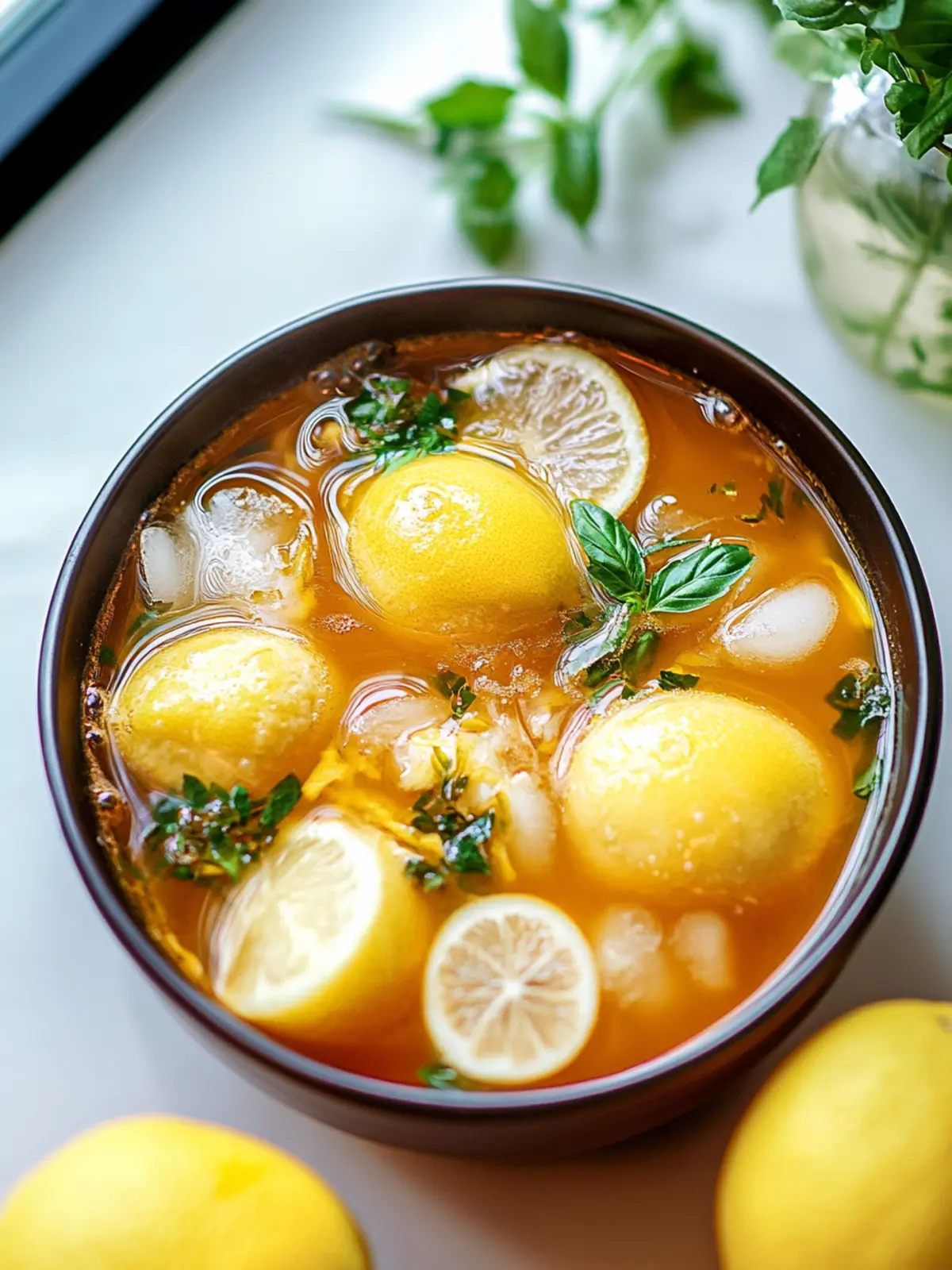
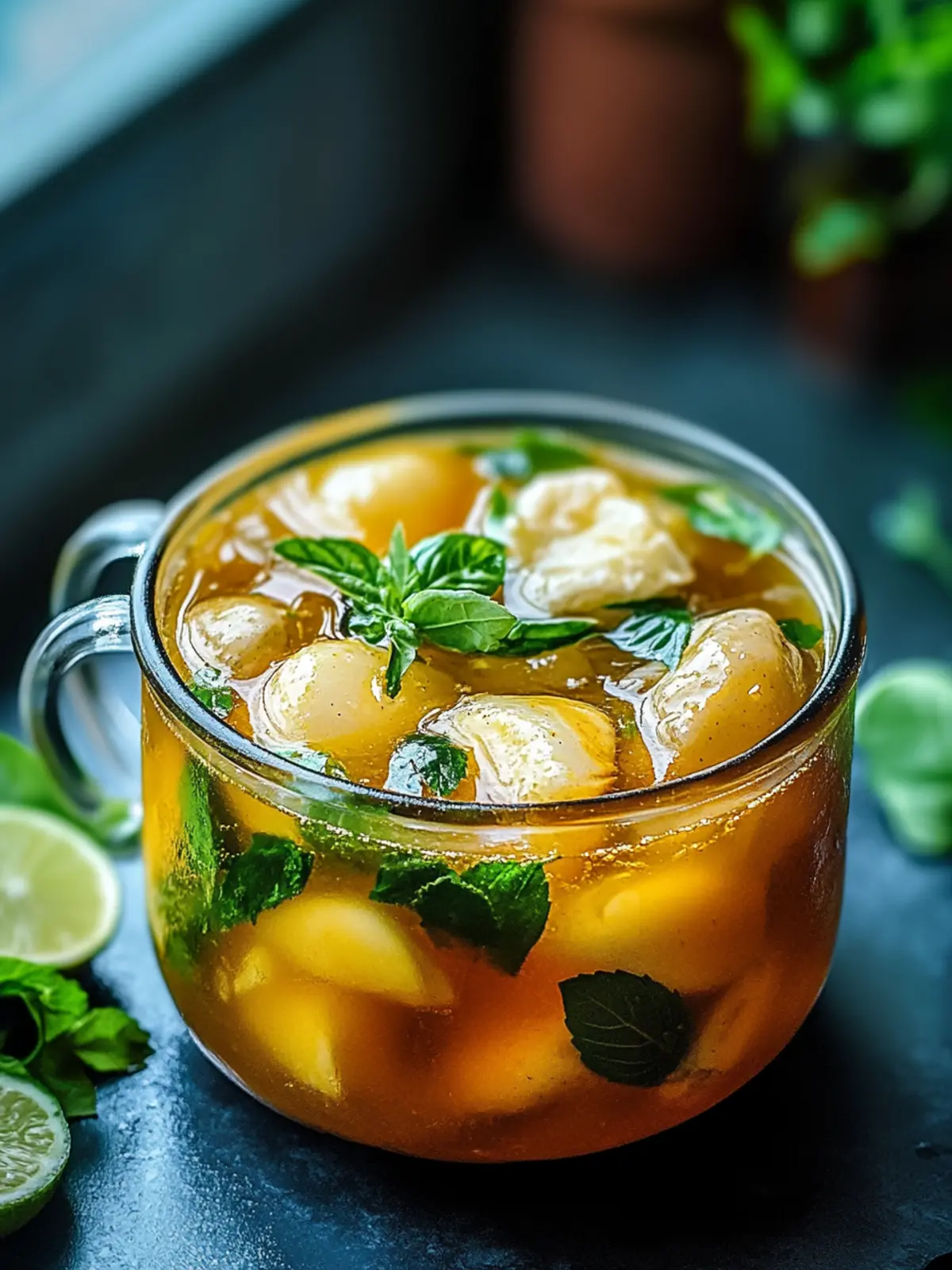
- Fruit-Infused Iced Tea: A refreshing drink option, iced tea with hints of fruit complements the spiciness of the stew while providing a cooling respite.
- Mochi Ice Cream: For dessert, the chewy sweetness of mochi ice cream rounds off the meal on a light and delightful note.
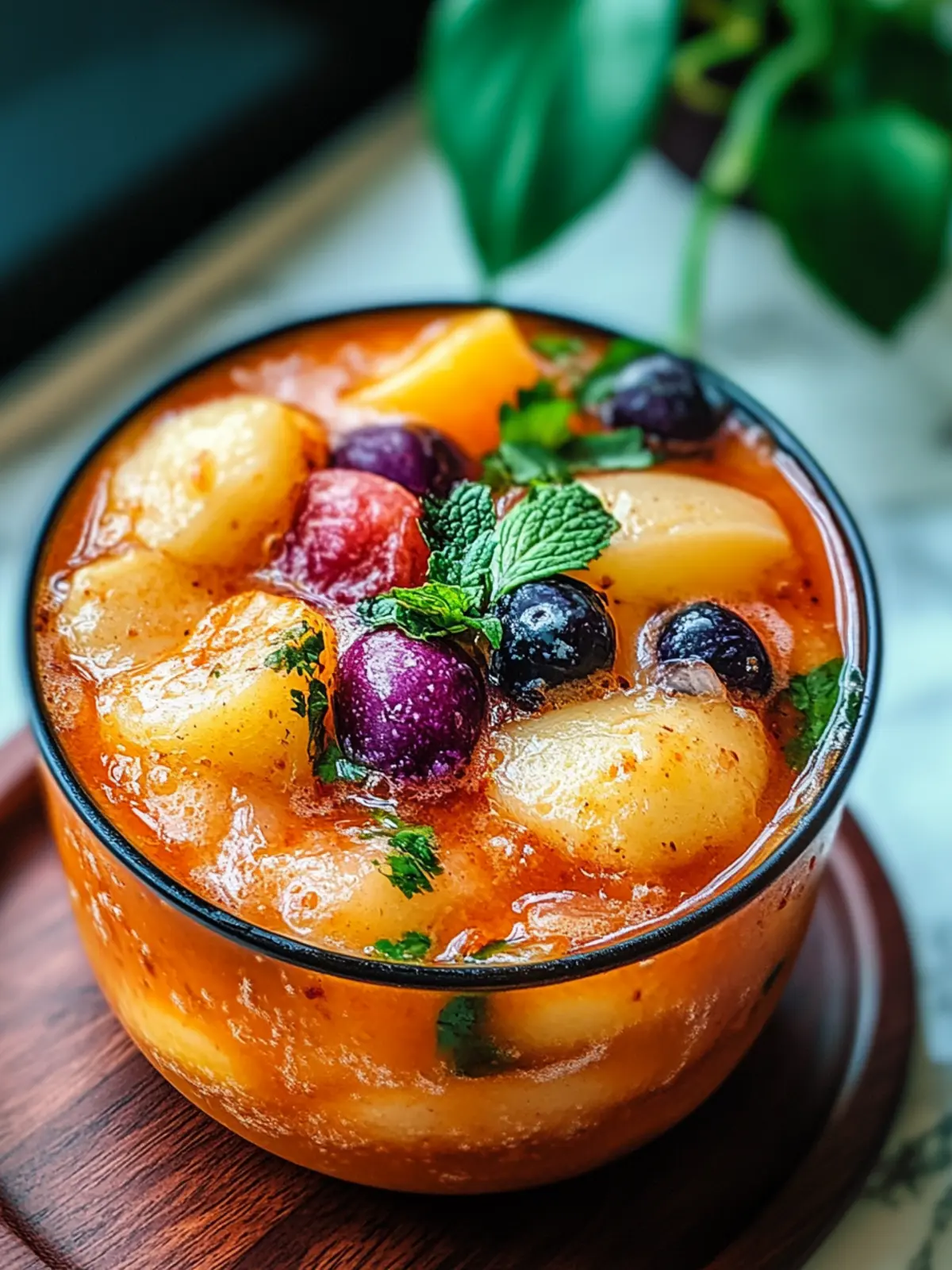
- Fruit Salad: A bright, fresh fruit salad provides a palate-cleansing burst of sweetness that beautifully balances the savory richness of the stew.
Expert Tips for Dakdoritang
- Choose Chicken Wisely: Opt for bone-in, skin-on chicken thighs and drumsticks for the most flavorful and tender meat in your Dakdoritang.
- Perfect the Sauce: Ensure all sauce ingredients are well mixed before adding to the chicken. This helps to evenly distribute the vibrant flavors throughout the stew.
- Gentle Simmering: Keep the heat low after adding vegetables to avoid mushy potatoes and ensure a tender, hearty texture that everyone will love.
- Adjust Spice Levels: If you’re sensitive to heat, start with less gochugaru and green chili pepper, and adjust to your taste as you cook.
- Serve Immediately: For the best flavor and texture, serve Dakdoritang immediately after cooking, paired with freshly steamed rice to soak up the delicious sauce.
- Don’t Skip the Freshness: Stir in the green onions and chili pepper just before serving for a fresh, crisp finish to your comforting stew.
Make Ahead Options
Dakdoritang is a fantastic recipe for meal prep enthusiasts looking to save time during busy weeknights. You can chop all your vegetables—like the onion, potatoes, carrot, and chili pepper—up to 24 hours in advance, storing them in an airtight container in the refrigerator to keep them fresh. Additionally, you can prepare the sauce ahead of time and keep it in the fridge for up to 3 days for maximum flavor. When you’re ready to cook, simply sauté the chicken and onions, add the prepped vegetables and sauce, then follow the remaining steps to simmer for tender, delicious results that taste just as good as if made fresh!
Dakdoritang Recipe FAQs
How do I know if my chicken is fresh?
Absolutely! For fresh chicken, look for a bright pink color and avoid any pieces with a foul odor or dark spots all over. Checking the sell-by date can also help guide your selection.
How should I store leftovers?
To keep your Dakdoritang delicious, store any leftovers in an airtight container in the refrigerator. It can be kept for up to 3 days. Just make sure it cools completely before sealing to maintain freshness!
Can I freeze Dakdoritang?
Yes, you can! First, let your Dakdoritang cool completely. Then, transfer it to a freezer-safe container, leaving a little room for expansion. It will freeze beautifully for up to 3 months. To reheat, simply defrost in the fridge overnight and warm it up in a pot over medium heat, stirring occasionally.
What if my potatoes become mushy?
Very! To prevent mushy potatoes, be sure to cut them into large chunks and add them to the pot after the initial 10 minutes of cooking. This timing helps them cook just right, preserving their texture. If they do become too soft, you can serve them as a creamy addition or mash them slightly into the stew for a comforting twist.
Is Dakdoritang safe for my pet?
No, it’s best not to share Dakdoritang with pets due to ingredients like garlic and onion, which can be harmful to them. Stick to letting them enjoy their specially formulated pet food instead!
Can I adjust the spice level in Dakdoritang?
Absolutely! Start with half the recommended amount of gochugaru and green chili pepper for a milder flavor, and then taste as you go. You can always add more spice to reach your preferred heat level without overwhelming the dish!
Savor the Flavor: Easy Dakdoritang for Comfort Food Bliss
Ingredients
Equipment
Method
- In a small bowl, mix the gochugaru, soy sauce, minced garlic, honey or sugar, gochujang, and black pepper. Stir until all the ingredients are well combined and the sauce has a vibrant color.
- Chop the onion, potatoes, carrot, green onions, and chili pepper into chunks. If you're using bone-in chicken, score a few slits into the skin to allow flavors to penetrate better.
- Place the chicken and chopped onion into a large pot or Dutch oven. Drizzle the delicious sauce over the chicken and toss to coat evenly. Sauté everything together over medium heat for about 2 minutes until fragrant.
- Pour in the 2 ½ cups of water or your choice of anchovy stock, stirring to combine everything in the pot. Cover and cook for about 10 minutes, giving it a gentle stir occasionally.
- After 10 minutes, add the potatoes and carrots to the pot. Reduce the heat to low, cover, and let it simmer for another 20 minutes. Stir occasionally until the veggies are tender.
- Just before serving, gently stir in the chopped green onions and chili pepper for a burst of freshness and color.
- Ladle the hearty Dakdoritang into bowls and serve hot alongside freshly steamed white rice for a comforting meal.