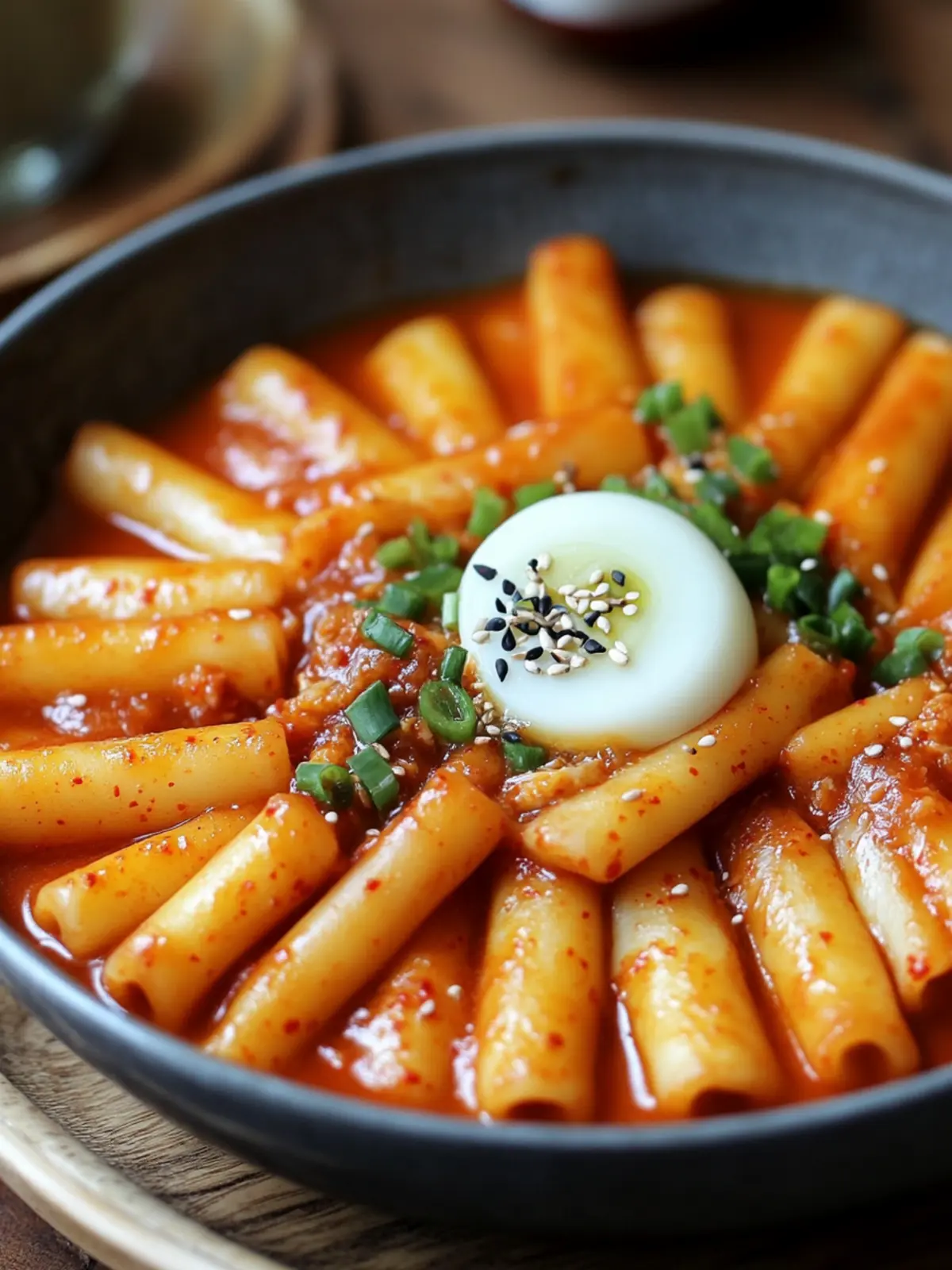
There’s something truly special about the moment when you take your first bite of Gungjung Tteokbokki—the luscious texture of soft rice cakes combined with savory bulgogi enveloped in a rich sauce that dances on your palate. I first stumbled upon this delectable Korean dish while exploring new flavors during a cozy evening at home, tired of my usual dinner routine. With just a handful of ingredients, this dish transforms into a comforting meal that feels both indulgent and satisfying.
As the charming sizzle of meat and vegetables fills the kitchen, I can’t help but feel a wave of nostalgia, as the essence of Korean street food wafts through the air. Whether you’re a seasoned chef or someone looking to step away from fast food, this effortless recipe is here to impress. In just 30 minutes, you can craft a vibrant, flavor-packed dish that’s perfect for sharing—or savoring all alone. Let’s gather the ingredients and dive into this culinary adventure!

Why is Gungjung Tteokbokki a must-try?
Quick and easy: With just 30 minutes of prep and cooking time, you can whip up a delicious dish that’s sure to amaze your taste buds.
Flavors that delight: The sublime combo of savory bulgogi and tender rice cakes creates a mouthwatering experience.
Nostalgic comfort food: Enjoy the essence of Korean street food right at home, providing a satisfying escape from your usual dinner routine.
Perfect for sharing: Whether it’s a cozy dinner for two or a gathering, this dish brings everyone together, guaranteeing smiles all around.
Easy to customize: Feel free to add your favorite veggies or spice it up to match your taste—this recipe is as versatile as it is flavorful!
For more delicious twists on Korean classics, check out my guide on easy Korean recipes.
Gungjung Tteokbokki Ingredients
For the Gungjung Tteokbokki
• ½ cup marinated bulgogi – This tender meat infuses rich flavors into your dish.
• 11 oz rice cake cylindrical shaped – Essential for that delightful chewy texture.
• 1 small carrot – Adds a touch of crunch and color to your meal.
• 1 stalk green onion – Offers a fresh, aromatic finish when sprinkled on top.
• ½ cup water – Helps create a luscious sauce that coats the rice cakes.
• ½ Tbsp Korean soy sauce – A key ingredient for that umami depth in Gungjung Tteokbokki.
• ½ Tbsp sesame oil – Imparts a wonderful nutty aroma to the dish.
• ½ tsp sesame seeds – These tiny seeds add a delightful crunch and presentation.
• ½ tsp sugar – Balances the flavors perfectly, enhancing the overall taste.
How to Make Gungjung Tteokbokki
-
Soak the rice cakes in cold water for about 10-15 minutes if they’re refrigerated or frozen. Fresh rice cakes can skip this step. This will help them soften nicely when cooked.
-
Prepare the vegetables by peeling and julienning the carrot. Chop the green onion into small pieces and set everything aside, ready for the next steps.
-
Heat a non-stick skillet over medium-high heat. Add the marinated bulgogi and cook for about 2 minutes, or until the meat is no longer pink. Stir in the carrot and stir-fry for around 30 seconds for extra flavor.
-
Add the soaked rice cakes and water to the skillet. Bring to a boil, then cook for about 2 minutes while stirring occasionally. The rice cakes should begin to soften up beautifully.
-
Reduce the heat to medium and mix in the soy sauce, sugar, and sesame oil. Cook for an additional 3-4 minutes, stirring frequently until the rice cakes are tender and fully coated in flavor.
-
Finish by turning off the heat. Add the chopped green onion and sesame seeds, giving everything a gentle toss to distribute evenly.
Optional: Serve with extra sesame seeds on top for a beautiful finishing touch.
Exact quantities are listed in the recipe card below.
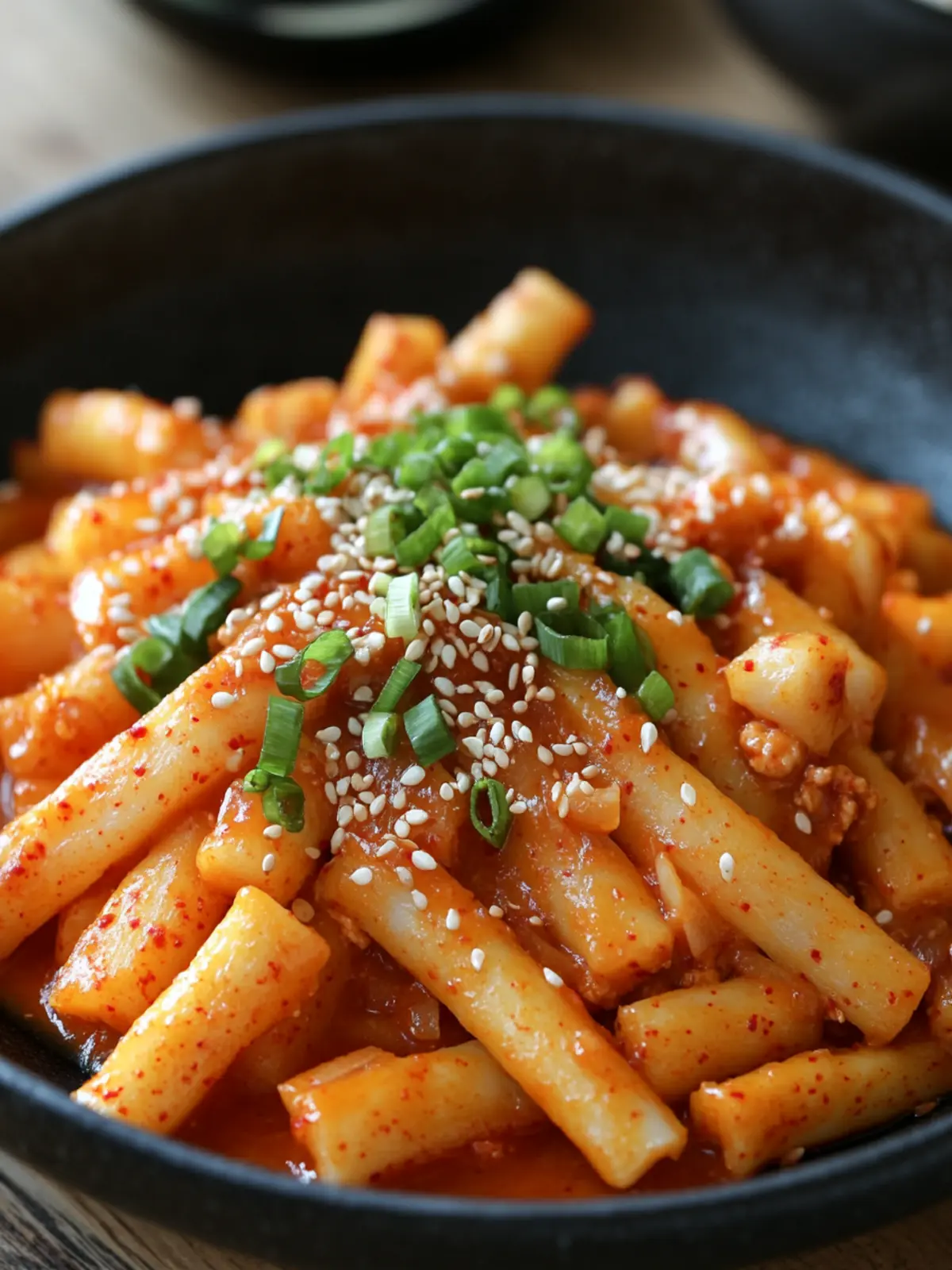
What to Serve with Gungjung Tteokbokki?
Creating a delightful meal experience starts with the perfect pairings that complement those savory flavors and tender textures.
-
Crispy Mandu: These Korean dumplings provide a delightful crunch that balances the chewy rice cakes beautifully. Serve them alongside for a satisfying bite!
-
Fresh Asian Salad: A light salad made with cucumbers, carrots, and a tangy sesame dressing adds a refreshing contrast and elevates your meal.
-
Kimchi: Offering a spicy tang, kimchi adds another layer of flavor, enhancing the comforting softness of Gungjung Tteokbokki with its fermented goodness. It’s the quintessential side that needs no introduction.
-
Steamed Broccoli: Its vibrant green color and mild flavor enhance the dish’s presentation while adding nutritional value, creating a perfect harmony with the rich main.
-
Jasmine Rice: For a heartier option, fluffy jasmine rice can soak up the luscious sauce, making every bite feel indulgent and satisfying.
-
Bubble Tea: A sweet and creamy bubble tea perfectly complements the flavors of Gungjung Tteokbokki while offering a fun drink choice that delights kids and adults alike.
-
Green Tea: Refreshing and subtle, green tea cleanses the palate between bites, making it a wonderful drink option that keeps the flavors of the meal clean and straightforward.
-
Mochi for dessert: These chewy rice cakes infused with sweet flavors make for a delightful finish, leaving everyone with a satisfying and sweet memory of your meal.
Expert Tips for Gungjung Tteokbokki
-
Rice Cake Prep: Soaking the rice cakes is crucial for achieving the perfect softness. If they’re too hard, they’ll be chewy instead of tender.
-
Bulb Cooking: Don’t rush cooking the bulgogi; ensure it’s completely browned—this enhances the flavor of your Gungjung Tteokbokki.
-
Custom Vegetable Additions: Feel free to toss in other vegetables like bell peppers or zucchini. Just chop them finely so they cook evenly with the rest of the ingredients.
-
Adjusting Sauce Flavor: Taste and adjust the soy sauce and sugar to your preference. If you prefer it saltier or sweeter, go for it—this dish is all about your taste!
-
Storage Tips: If you have leftovers, store them in an airtight container and reheat gently on the stovetop. Avoid the microwave, which can make rice cakes tough.
Storage Tips for Gungjung Tteokbokki
-
Room Temperature: It’s best to enjoy Gungjung Tteokbokki immediately after cooking, as the texture of the rice cakes is at its best. Avoid leaving it at room temperature for more than 2 hours.
-
Fridge: Store any leftovers in an airtight container in the fridge for up to 3 days. This helps maintain flavor while preventing spoilage.
-
Freezer: For longer storage, place the Gungjung Tteokbokki in a freezer-safe container. It can be frozen for up to 2 months. To reheat, thaw in the fridge overnight before warming gently on the stovetop.
-
Reheating: When reheating, add a splash of water to the skillet to revive the sauce and rice cakes. Stir gently until heated through for the best results.
Make Ahead Options
These Gungjung Tteokbokki are perfect for busy weeknights, allowing you to enjoy a delicious meal without the last-minute rush! You can prep the chopped vegetables (carrot and green onion) and marinated bulgogi up to 3 days in advance. Simply store them in an airtight container in the refrigerator. The rice cakes can be soaked up to 24 hours before cooking to ensure they’re ready to go. When it’s time to serve, heat the skillet and follow the cooking instructions, adding the prepped components as directed for a quick and satisfying dinner. This way, you’ll have restaurant-quality Gungjung Tteokbokki with minimal effort!
Gungjung Tteokbokki Variations
Feel free to explore these exciting twists that will make your Gungjung Tteokbokki even more delightful and personal!
-
Spicy Kick: Add 1 teaspoon of gochujang (Korean chili paste) for a delicious heat that complements the savory flavors beautifully. Your taste buds will thank you for the extra punch!
-
Vegetarian Delight: Swap marinated bulgogi for a mix of sautéed mushrooms and tofu, adding umami and a satisfying texture that delights veggie lovers.
-
Sweet & Savory: Incorporate diced pineapple for a sweet contrast that shines through the savory bulgogi flavors. The juicy sweetness will surprise and pleasantly change the dish!
-
Crunchy Texture: Toss in some chopped bell peppers or water chestnuts for an added crunch. This textural contrast brings a whole new level of excitement to your dish!
-
Creamy Version: Finish your Gungjung Tteokbokki with a drizzle of creamy sesame dressing. It adds richness and complements the sesame flavors wonderfully—irresistible!
-
Noodle Fusion: Substitute half of the rice cakes with cooked ramen noodles for a fun noodle twist that adds even more bites of deliciousness. This comforting variation is especially satisfying!
-
Herb Boost: Experiment with fresh herbs like cilantro or basil as a garnish. They will brighten the dish and elevate the freshness of every bite!
Feel free to take your Gungjung Tteokbokki on an adventurous culinary journey!
Gungjung Tteokbokki Recipe FAQs
What type of rice cake should I use?
For the best results, use cylindrical-shaped rice cakes specifically labeled for tteokbokki, usually found in Asian grocery stores. The texture is chewy and perfect for this dish. If you can’t find them, consider using konjac noodles or even thick pasta as an alternative; however, the flavor will differ.
How should I store leftovers?
Store any leftover Gungjung Tteokbokki in an airtight container in the fridge for up to 3 days. I often separate it into smaller portions so they’re ready to grab and enjoy whenever I crave a quick meal. Just make sure to let it cool completely before sealing it up!
Can I freeze Gungjung Tteokbokki?
Absolutely! To freeze, place the Gungjung Tteokbokki in a freezer-safe container and it will last up to 2 months. When you’re ready to enjoy it again, thaw it overnight in the fridge. Reheat it gently on the stovetop with a splash of water to reinvigorate the sauce and rice cakes.
What should I do if my rice cakes are too hard?
If your rice cakes turn out a bit hard after cooking, don’t fret! You can help soften them by adding a little extra water to the skillet and cooking for an additional 5-10 minutes on low heat. Stir occasionally and cover with a lid to create steam, which will help them soften beautifully.
Is this dish safe for people with allergies?
If you’re concerned about allergies, it’s essential to check the ingredients of your marinated bulgogi and any other added items. The main ingredients in Gungjung Tteokbokki are generally safe; however, always verify for possible allergens like gluten in soy sauce or sesame seeds for nut allergies. You can substitute tamari for a gluten-free option.
Can I make Gungjung Tteokbokki vegetarian?
Certainly! To make a vegetarian version, simply swap the marinated bulgogi for marinated tofu or mushrooms. The process remains the same, ensuring a delicious and satisfying meat-free meal that still embodies the heartwarming essence of Gungjung Tteokbokki.
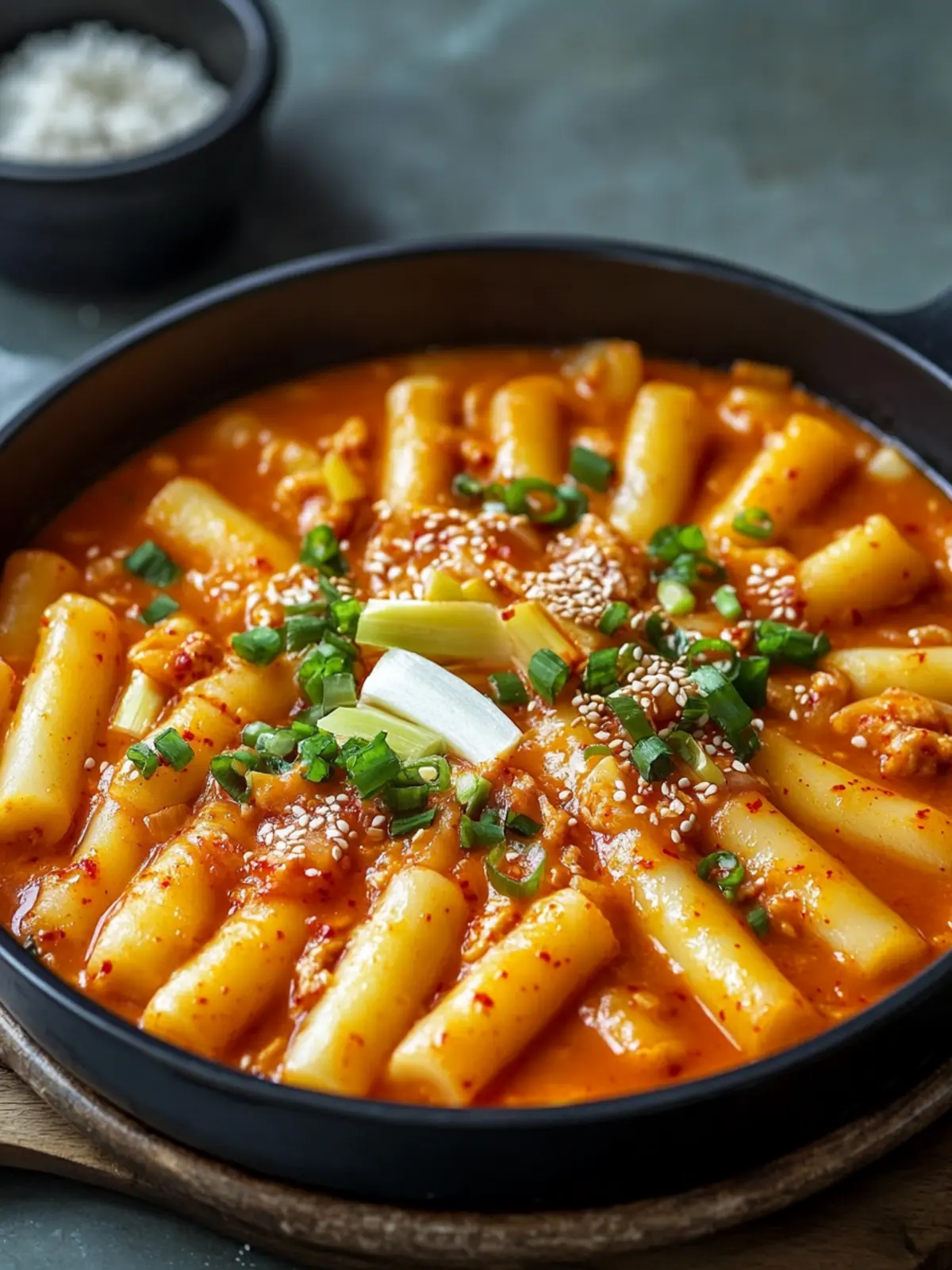
Delicious Gungjung Tteokbokki: A Korean Comfort Food Love Affair
Ingredients
Equipment
Method
- Soak the rice cakes in cold water for about 10-15 minutes if they're refrigerated or frozen.
- Prepare the vegetables by peeling and julienning the carrot. Chop the green onion into small pieces and set aside.
- Heat a non-stick skillet over medium-high heat. Add the marinated bulgogi and cook for about 2 minutes.
- Add the soaked rice cakes and water to the skillet. Bring to a boil, then cook for about 2 minutes while stirring.
- Reduce the heat to medium and mix in the soy sauce, sugar, and sesame oil. Cook for an additional 3-4 minutes.
- Finish by turning off the heat and adding the chopped green onion and sesame seeds.