
There’s a certain comfort in the kitchen that brings with it a sense of adventure, especially when you discover a dish as vibrant and captivating as Gochujang Eggplant. As the savory scent of garlic and ginger fills the air, I find myself transported to bustling street markets overflowing with tantalizing flavors. This easy-to-make dish is a delicious answer for anyone tired of the mundane fast-food routine, proving that homemade eats can be both healthy and exciting.
When I first tried my hand at incorporating gochujang—a Korean chili paste bursting with flavor—into everyday vegetables, I was amazed by the depth it added to my meals. The eggplant becomes a beautifully tender, spicy-sweet canvas as it absorbs the rich sauce, while the simple ingredients come together in a matter of just 25 minutes. Perfect for a quick weeknight dinner or as a showstopper at your next gathering, Gochujang Eggplant is more than just a recipe—it’s a delightful exploration of taste that will leave your family and friends raving. Let’s dive into creating this colorful dish that’s as easy to prepare as it is satisfying!
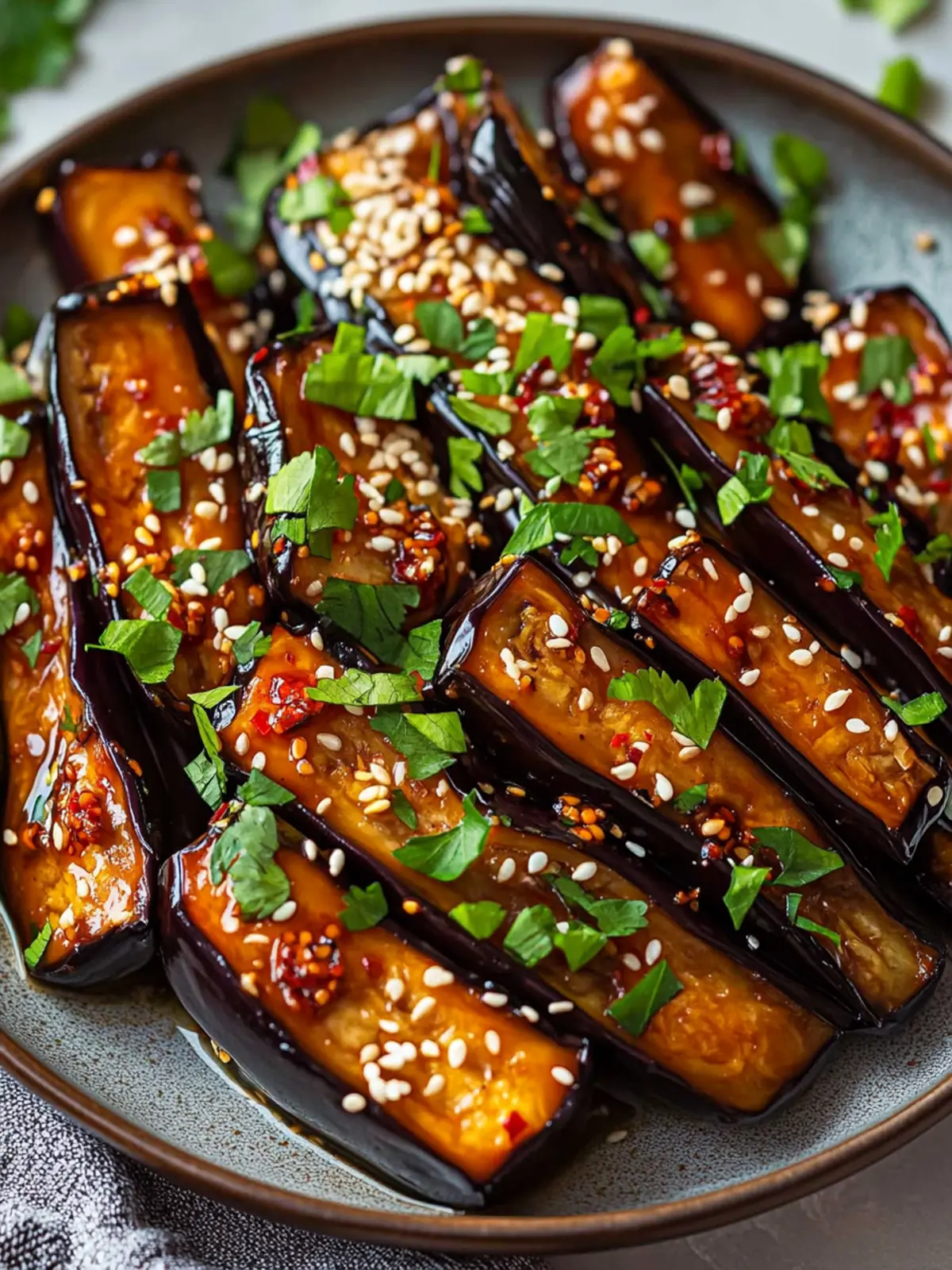
Why is Gochujang Eggplant so special?
Flavorful and exciting: This dish is a game-changer for those who crave bold tastes, harmoniously blending spicy, sweet, and savory notes that will invigorate your meals.
Quick prep: With just 25 minutes from start to finish, it’s a breeze for busy weeknights or spontaneous gatherings.
Versatile dish: Serve it as a side, a main course, or even as a topping for rice bowls—its adaptability is endless!
Vibrant nutrition: Loaded with fiber and healthy fats, Gochujang Eggplant supports your wellness goals without sacrificing flavor.
Crowd-pleaser: Impress friends or family with this dish’s stunning presentation and addictive taste, making it a highlight of any dinner.
Whether you’re looking to jazz up your meal rotation or impress guests with something globally inspired, Gochujang Eggplant has you covered. For more delicious plant-based options, don’t miss my post on vegan recipes.
Gochujang Eggplant Ingredients
For the Eggplant
• Eggplants – 2 medium, cut into 1-inch cubes for even cooking and absorption of flavors.
• Salt – to taste, helps enhance the natural sweetness of the eggplant.
For the Sauce
• Gochujang – 2 tablespoons, this Korean red chili paste adds a delicious depth of spice and umami.
• Soy Sauce – 2 tablespoons, bring in a savory saltiness that balances out the sweetness in the dish.
• Rice Vinegar – 2 tablespoons, adds a tangy brightness that rounds out the flavors.
• Honey or Maple Syrup – 1 tablespoon, either option works beautifully to introduce a hint of sweetness.
• Sesame Oil – 1 tablespoon, for a rich, nutty aroma that makes this dish truly unforgettable.
For the Aromatics
• Garlic – 3 cloves, minced to infuse the dish with warmth and flavor.
• Ginger – 1 inch, minced for a zesty kick that complements the gochujang perfectly.
For Cooking and Garnish
• Vegetable Oil – 1 tablespoon, essential for sautéing and achieving that perfect tender texture.
• Green Onions – 1 bunch, chopped (reserve some for garnish) to add freshness and color to your dish.
• Sesame Seeds – 1 tablespoon, sprinkle on top for a delightful crunch and visual appeal.
With these ingredients, you’re just a few simple steps away from creating an aromatic and flavorful Gochujang Eggplant that’s sure to please everyone at your table!
How to Make Gochujang Eggplant
-
Mix the Sauce: In a small bowl, combine the gochujang, soy sauce, rice vinegar, honey (or maple syrup), and sesame oil. Stir until well blended and set aside for later.
-
Heat the Oil: In a large skillet or wok over medium-high heat, warm the vegetable oil. Once hot, add the minced garlic and ginger, sautéing for about 1 minute until fragrant and golden.
-
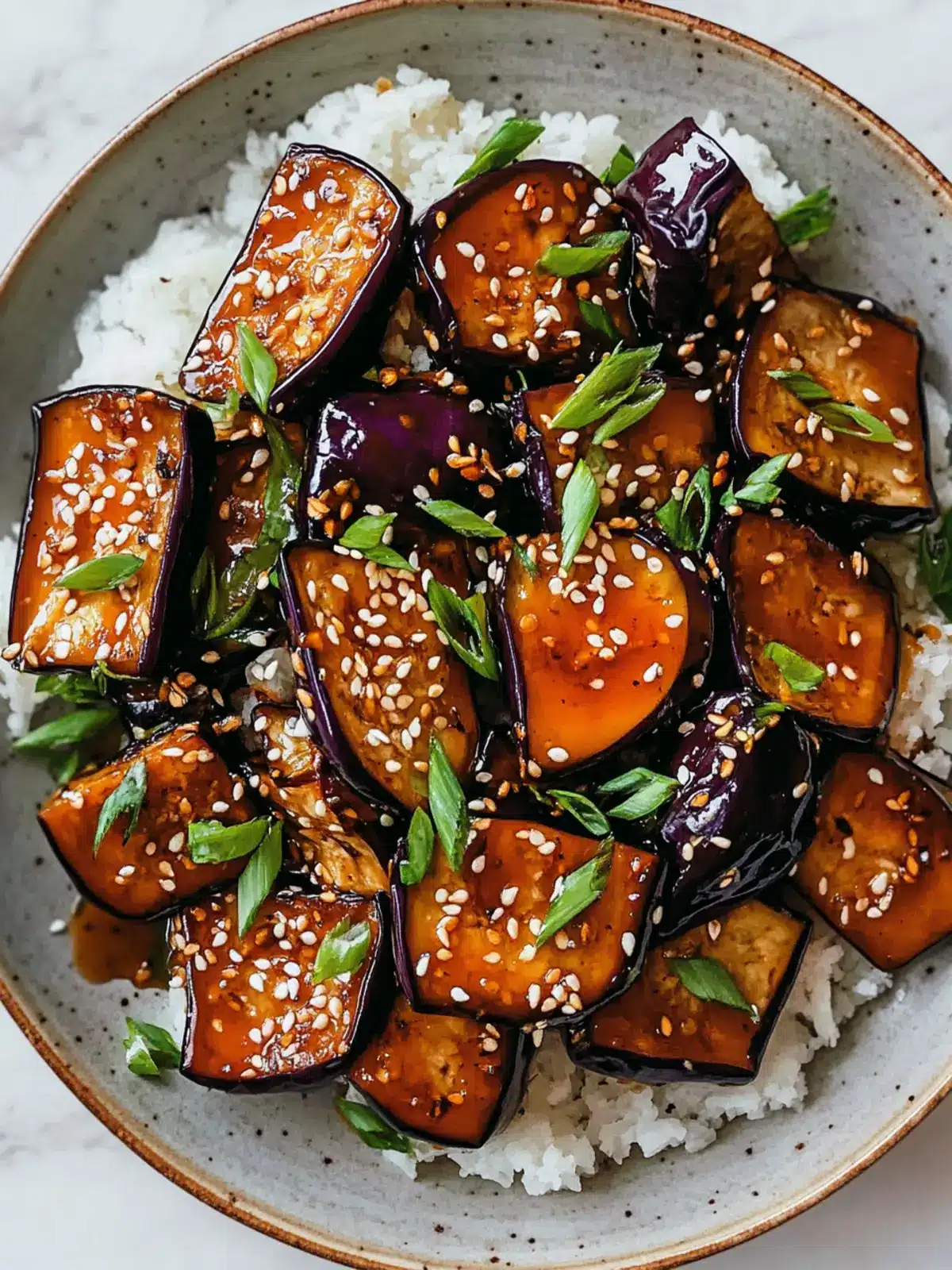
Cook the Eggplant: Add the cubed eggplant to the skillet and sprinkle with a pinch of salt. Cook, stirring occasionally, until the eggplant is tender and lightly browned, approximately 8-10 minutes.
-
Add the Sauce: Lower the heat to medium. Pour the gochujang sauce over the cooked eggplant, ensuring it’s evenly coated.
-
Incorporate Green Onions: Stir in the chopped green onions (remember to keep some for garnish!). Mix thoroughly to combine all flavors as the dish cooks for an additional 2-3 minutes.
-
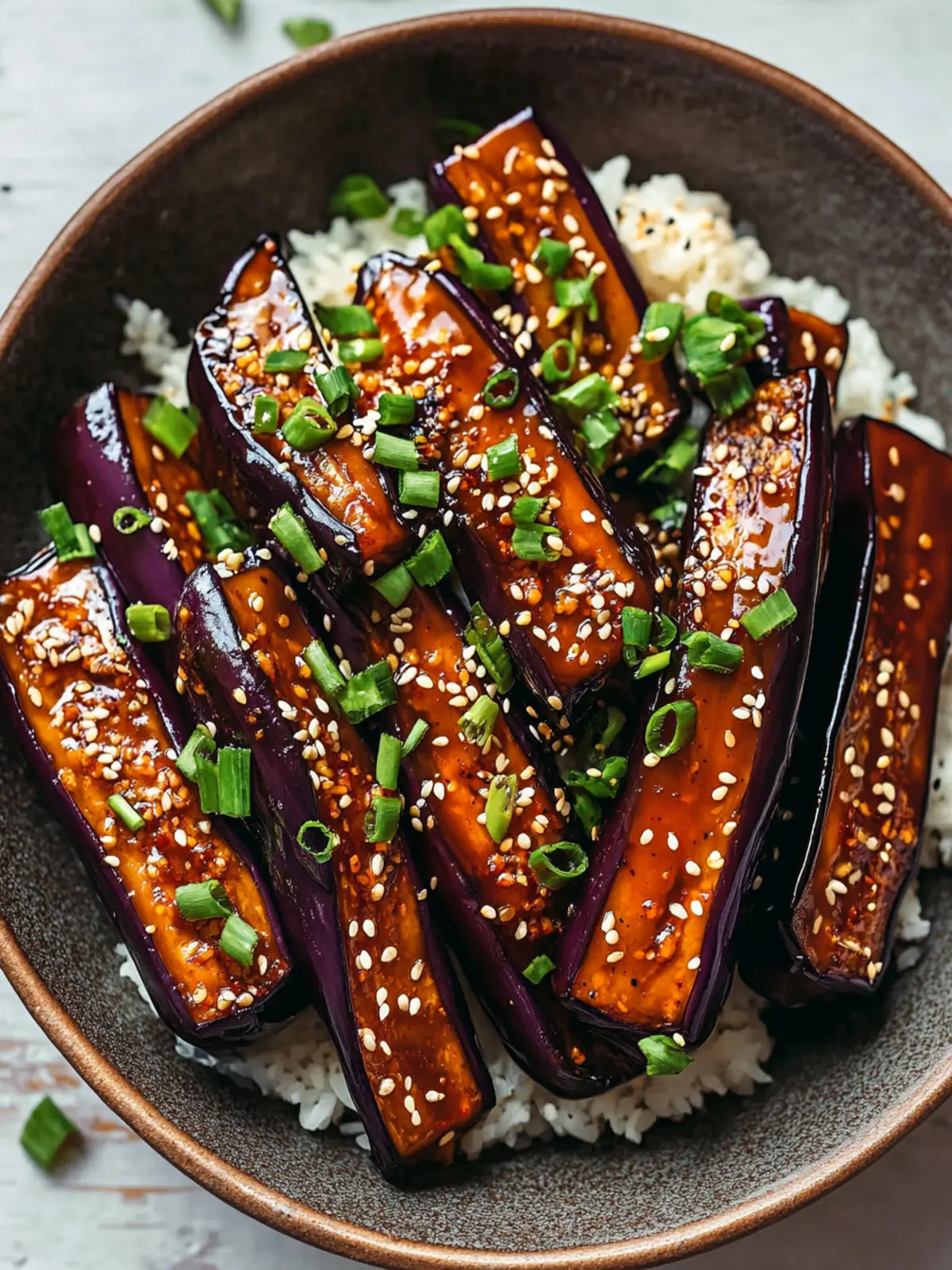
Serve: Transfer the gochujang eggplant to a vibrant serving dish. Garnish with the reserved green onions and a sprinkle of sesame seeds for that extra touch.
Optional: Serve alongside steamed rice for a complete meal.
Exact quantities are listed in the recipe card below.
How to Store and Freeze Gochujang Eggplant
Fridge: Store any leftovers in an airtight container in the fridge for up to 3 days. This helps retain the vibrant flavors and texture of the dish.
Freezer: For longer storage, freeze Gochujang Eggplant in a freezer-safe container for up to 2 months. Thaw in the fridge overnight before reheating.
Reheating: Reheat in a skillet over medium heat for 5-7 minutes, stirring occasionally. You can also use a microwave, heating in 30-second intervals until warmed through.
Freshness: For the best flavor, consume your Gochujang Eggplant as soon as possible. Enjoy it warm to fully appreciate the delightful sauce!
Gochujang Eggplant Variations
Feel free to mix things up with these engaging twists that will awaken your taste buds!
- Spicy Garlic: Add 1-2 tablespoons of red pepper flakes for an extra kick, perfect for heat lovers.
- Coconut Aminos: Swap soy sauce for coconut aminos for a soy-free, sweeter flavor profile that complements the dish beautifully.
- Nutty Delight: Incorporate 2 tablespoons of peanut butter into the sauce for a creamy texture and a deliciously nutty taste.
- Vegetable Medley: Mix in bell peppers and snap peas along with eggplant for a colorful, crunchy texture and extra nutrients.
- Maple Twist: Replace honey with pure maple syrup for a different sweet note that brings out the earthy flavors of the eggplant.
- Asian Fusion: Add toasted sesame seeds directly to the sautéed eggplant midway through cooking for a delightful crunch.
- Citrus Zing: Squeeze fresh lime juice over the finished dish to sharpen the flavors, elevating both taste and freshness.
- Savory Mushrooms: Stir in 1 cup of sliced mushrooms with the eggplant for an umami-packed bite that meshed perfectly with the sauce.
These variations allow you to enjoy Gochujang Eggplant uniquely each time!
Make Ahead Options
Gochujang Eggplant is a fantastic recipe for meal prep that can save you precious time on busy weeknights! You can prepare the gochujang sauce up to 3 days in advance; simply mix together the gochujang, soy sauce, rice vinegar, honey (or maple syrup), and sesame oil in a sealed container and refrigerate. Additionally, you can cube the eggplant and store it in an airtight container with a sprinkle of salt to prevent browning, keeping it fresh for up to 24 hours. When it’s time to cook, sauté the eggplant with garlic and ginger as directed, pour over the prepared sauce, add the green onions, and you’ll have a delicious dish ready in no time, just as tempting as if made fresh!
What to Serve with Gochujang Eggplant?
Create a delightful meal experience that tantalizes the senses and satisfies your cravings.
-
Steamed Jasmine Rice: This fluffy rice acts as a perfect canvas for the spicy-sweet sauce, absorbing every bit of flavor. A classic choice that invites you to enjoy the dish even more!
-
Crunchy Asian Slaw: A fresh mix of cabbage, carrots, and bell peppers dressed in a light vinaigrette adds a refreshing crunch, balancing the richness of the eggplant beautifully.
-
Garlic Stir-Fried Greens: Leafy vegetables like bok choy or kale sautéed with garlic provide a healthy and vibrant contrast to the bold flavors of the Gochujang Eggplant. Their slight bitterness harmonizes wonderfully with the sweet sauce.
-
Miso Soup: This warm, comforting soup packed with umami flavors acts as a calming counterpart to the eggplant’s spiciness, making your meal feel cozy and complete.
-
Sesame Noodles: Chilled noodles tossed in sesame oil and soy sauce bring a delightful nutty essence that complements the eggplant, creating a uniquely satisfying bite with each forkful.
-
Crispy Tofu Bites: Adding these golden cubes provides a protein boost while also soaking up the delicious gochujang sauce, enhancing the dish’s heartiness.
-
Chilled Sake: A light, crisp sake pairs beautifully with this dish, elevating its flavors and adding a lovely touch of sophistication to your meal.
With these pairings, you’re sure to create a feast that sings with flavor and delight!
Expert Tips for Gochujang Eggplant
• Choose the Right Eggplant: Opt for medium-sized, firm eggplants to ensure they hold their shape and absorb the flavorful sauce beautifully.
• Don’t Overcook: Keep an eye on the eggplant while cooking; remove from heat as soon as it’s tender and golden to avoid a mushy texture.
• Adjust Spice Level: If you prefer milder flavors, start with less gochujang and gradually add more until you reach your desired heat in the Gochujang Eggplant.
• Perfect Sauce Mix: Make sure to mix the sauce ingredients well so that every bite of eggplant is evenly coated in flavor—no one likes a dry bit!
• Garnish Matters: Don’t skip the green onion and sesame seeds; they add essential crunch and freshness to your dish, elevating the overall presentation.
With these tips in hand, you’re well on your way to mastering the art of Gochujang Eggplant!
Gochujang Eggplant Recipe FAQs
How do I choose the right eggplant?
Absolutely! When selecting eggplants, look for medium-sized ones that are firm to the touch, with smooth, glossy skin. Avoid any with dark spots all over or blemishes, as these may indicate overripeness or internal bitterness. The best eggplants have a slightly tender feel when gently pressed; this means they’re ripe and ready to absorb all those wonderful flavors!
How should I store leftovers?
Very simply! Place any leftover Gochujang Eggplant in an airtight container and store it in the fridge. It’s best to enjoy it within 3 days, as this helps keep the flavors vibrant and the texture intact. If you’re looking to enjoy it later, I suggest freezing it for a taste of this dish in the future!
Can I freeze Gochujang Eggplant?
You sure can! To freeze Gochujang Eggplant, first allow it to cool completely, then transfer it to an airtight, freezer-safe container. Don’t forget to label it with the date! It can be frozen for about 2 months without losing too much flavor. When you’re ready to enjoy it, simply thaw it overnight in the fridge and then reheat per the instructions.
What’s the best way to reheat Gochujang Eggplant?
To reheat your frozen or leftover Gochujang Eggplant, I recommend using a skillet over medium heat for about 5-7 minutes. Stir occasionally to ensure it’s warmed through evenly. If using a microwave, heat it in 30-second intervals, stirring in between, until it’s nice and hot. This way, you’ll keep all those fabulous flavors intact!
Are there any dietary considerations I should be aware of?
Yes, indeed! Gochujang is typically made with gluten, so if you’re looking for a gluten-free option, consider substituting it with a gluten-free chili paste and make sure to use gluten-free soy sauce. If you have allergies to any of the ingredients, such as sesame or soy, feel free to swap them out for alternatives; for instance, use coconut aminos in place of soy sauce, and skip the sesame oil. Always check the labels!
Can my pet eat Gochujang Eggplant?
I wouldn’t recommend it! While eggplants are generally safe for pets in small amounts, the gochujang sauce, with its chili paste, soy sauce, and other seasonings, can be harmful to them. It’s always best to stick to plain, cooked vegetables for your furry friends and savor the Gochujang Eggplant for yourself!
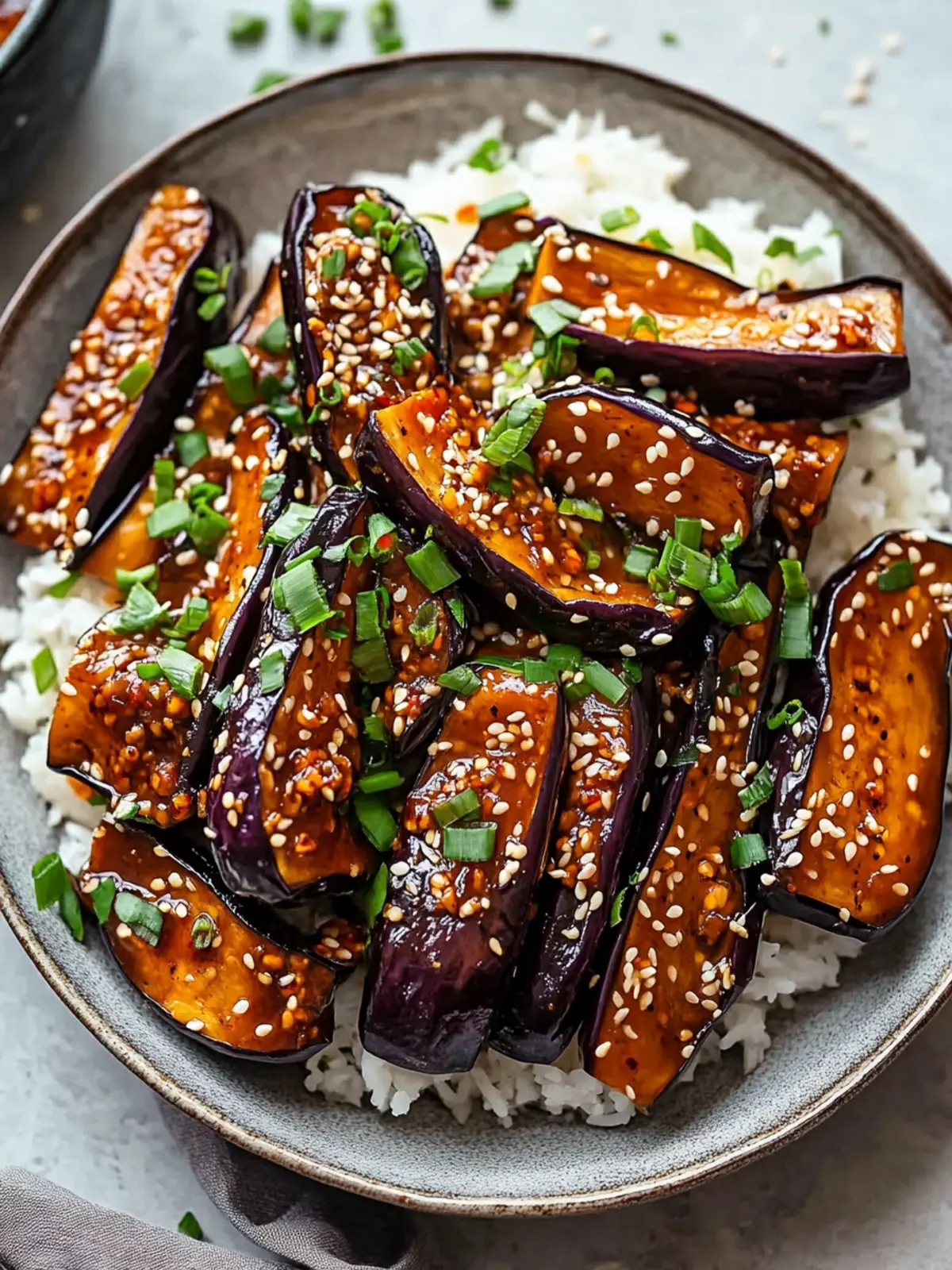
Spicy Gochujang Eggplant: A Flavorful Plant-Based Delight
Ingredients
Equipment
Method
- In a small bowl, combine the gochujang, soy sauce, rice vinegar, honey (or maple syrup), and sesame oil. Stir until well blended and set aside for later.
- In a large skillet or wok over medium-high heat, warm the vegetable oil. Once hot, add the minced garlic and ginger, sautéing for about 1 minute until fragrant and golden.
- Add the cubed eggplant to the skillet and sprinkle with a pinch of salt. Cook, stirring occasionally, until the eggplant is tender and lightly browned, approximately 8-10 minutes.
- Lower the heat to medium. Pour the gochujang sauce over the cooked eggplant, ensuring it’s evenly coated.
- Stir in the chopped green onions (remember to keep some for garnish!). Mix thoroughly to combine all flavors as the dish cooks for an additional 2-3 minutes.
- Transfer the gochujang eggplant to a vibrant serving dish. Garnish with the reserved green onions and a sprinkle of sesame seeds.