
As the seasons change, there’s something about the warmth of a steaming bowl of homemade ramen broth that instantly wraps you in comfort. Imagine the rich aroma of garlic and ginger mingling beautifully with smoky bonito and the oceanic kiss of kelp—each sip transports you to a cozy noodle shop tucked away in a bustling city. While I was searching for a remedy to the mundane fast-food cycle, I stumbled upon this unforgettable recipe that not only elevates my culinary skills but also impresses friends with its depth of flavor and authenticity.
Making homemade ramen broth may sound daunting, but trust me, your taste buds will thank you for the effort. With just a few simple ingredients and time spent simmering, you’ll create a soul-soothing broth that can transform your weeknight dinners into delightful feasts. Whether you’re enjoying it solo or sharing with loved ones, each bowl teems with layers of umami goodness that simply can’t be found in the average takeout. Let’s dive into the world of handmade cuisine and discover the joys of crafting this quintessential dish right from your kitchen!
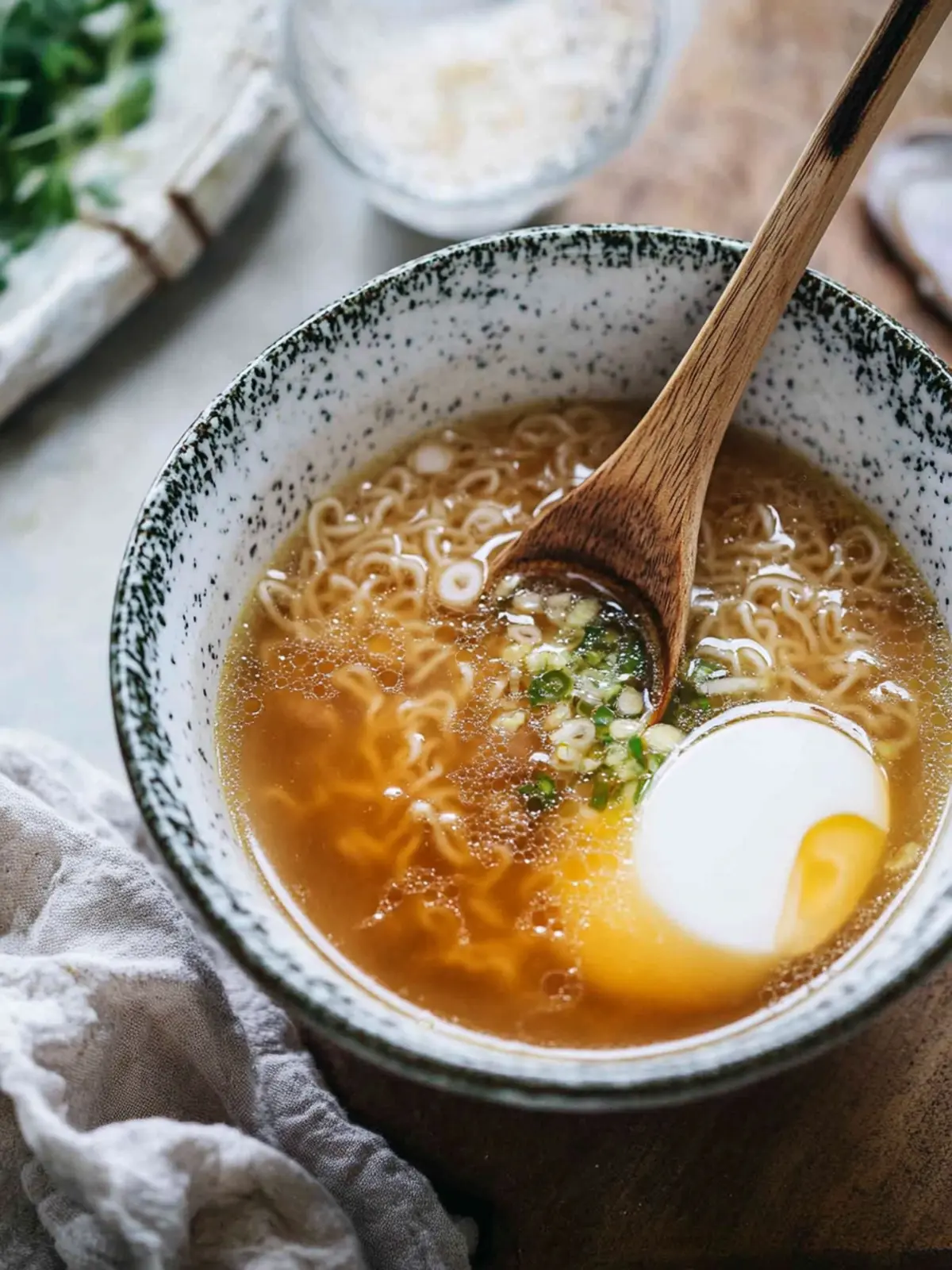
Why is Homemade Ramen Broth so special?
Aromatic Flavors: The combination of fragrant garlic, ginger, and smoky bonito creates a broth that’s deeply flavorful and inviting.
Comforting Warmth: Each sip embodies comfort, transforming your dining experience into a warm hug on a chilly day.
Fresh Ingredients: Unlike store-bought options, you’ll know exactly what’s in your broth, ensuring it’s wholesome and delicious.
Creative Versatility: Use this broth as a base for gourmet ramen bowls or other noodle dishes, easily catering to your tastes.
Impressive Yet Simple: With this recipe, you’ll wow your family and friends, proving gourmet solutions can be made at home. Try pairing it with your favorite toppings for an epic ramen night!
Homemade Ramen Broth Ingredients
For the Dashi Stock
• Kelp – A cornerstone for umami flavor, this seaweed adds depth to your homemade ramen broth.
• Bonito flake – Smoked and dried, it infuses a rich smokiness that perfectly complements the kelp.
• Shiitake mushrooms – These earthy fungi contribute an added layer of flavor, enhancing the broth’s complexity.
• Water – Essential for extracting all the wonderful flavors from the ingredients.
For the Broth
• Chicken carcasses – Form the hearty base of your broth; they’re packed with flavor.
• Chicken wings – These tender cuts add richness and silky texture to the broth.
• Onion (cut into quarters) – Adds sweetness and aroma when simmered.
• Garlic (peeled and smashed) – Releases aromatic oils, creating a fragrant experience.
• Ginger (thinly sliced) – Its warmth balances the flavors beautifully.
• Scallions (chopped) – Brightens the broth with a hint of freshness.
• Sake – Adds depth; don’t worry about the alcohol, it cooks off while simmering.
• Water – Ensures the broth is perfectly diluted while still flavorful.
For the Tare
• Dashi stock – Enhances flavor; use leftovers wisely in your tare mixtures for added umami.
• Sake – Helps dissolve flavors in the tare for a luscious finish.
• Mirin – Adds sweetness and complexity to the tare.
• Salt – Essential for seasoning; adjust according to taste.
• Chashu leftover sauce – A delicious way to recycle flavors from your last ramen dish.
For the Miso Paste Sauce
• Onion (finely chopped) – Provides a mild sweetness that enhances the miso flavors.
• Garlic (finely chopped) – Adds a punch to the sauce, balancing the creaminess of the miso.
• Ginger (finely chopped) – Brightens up the sauce’s profile with its warm, zesty notes.
• White part of scallion – Amplifies the flavor and freshness.
• Smooth peanut butter – Adds creaminess and richness, creating a unique twist.
• Sake – Used here again to blend the flavors harmoniously.
• Mirin – Enhances sweetness and rounds out the sauce.
• Rayu Chilli oil – Provides a fiery touch for those who crave heat.
• Miso paste – The star of the show; it’s packed with umami and brings everything together.
Enjoy the magic of crafting this homemade ramen broth; it’s a culinary adventure waiting to unfold!
How to Make Homemade Ramen Broth
-
Prepare Dashi Stock: In a large jar, combine all the ingredients for the overnight dashi stock. Pour in 6 cups of water, secure the lid, and let it soak overnight for maximum flavor infusion.
-
Clean Chicken: Rinse the chicken carcasses and wings thoroughly under running water. Be sure to remove any organs and wash off all blood to ensure a clean broth.
-
Poach Chicken: Bring water to a boil in a large pot. Poach the cleaned chicken carcasses and wings for about 30 seconds until they turn white. Strain and discard the poaching water to eliminate impurities.
-
Create Broth Base: In a large pot, add the chicken carcasses, wings, onion, garlic, ginger, scallions, and 12 cups of fresh water. Bring to a rolling boil over high heat.
-
Simmer Slowly: Once boiling, reduce the heat to low. Skim off any scum that rises to the top and let the broth simmer gently for about 3 hours, stirring occasionally.
-
Maintain Quality: Keep removing scum from the surface occasionally and add your prepared overnight dashi stock as needed to maintain flavor.
-
Add Depth: After 3 hours, introduce the dashi stock along with kelp, bonito flakes, and shiitake mushrooms. Remove from heat and strain the soup into another large pot, discarding the leftover chicken and vegetables.
-
Simmer Again: Return the strained soup to the stove and simmer gently for another 2 hours to deepen the flavors.
-
Final Strain: After 2 hours, remove from heat and strain the broth again, this time using a kitchen paper towel to ensure a silky-smooth consistency.
-
Reduce Broth: The final volume of your homemade ramen broth should be around 10 cups. If needed, continue simmering to reach the desired quantity.
-
Prepare Shio Tare: In a bowl, mix the tare ingredients, ensuring salt fully dissolves. Add 2.5 tbsp of shio tare to a ramen bowl, followed by 2 cups of your fresh ramen broth, and mix well.
-
Create Shoyu Tare: Place 3 tbsp of shoyu tare in a bowl, add 2 cups of ramen broth, and stir thoroughly.
-
Craft Miso Tare: In a small container, blend all the miso tare ingredients until creamy. Cook gently over low heat for 3 minutes, mixing constantly to avoid burning, then stir in the miso paste. Add 2 tbsp of miso tare to a bowl, pour in 2 cups of broth, and stir to combine.
Optional: Top your ramen with fresh scallions or a soft-boiled egg for extra flavor!
Exact quantities are listed in the recipe card below.
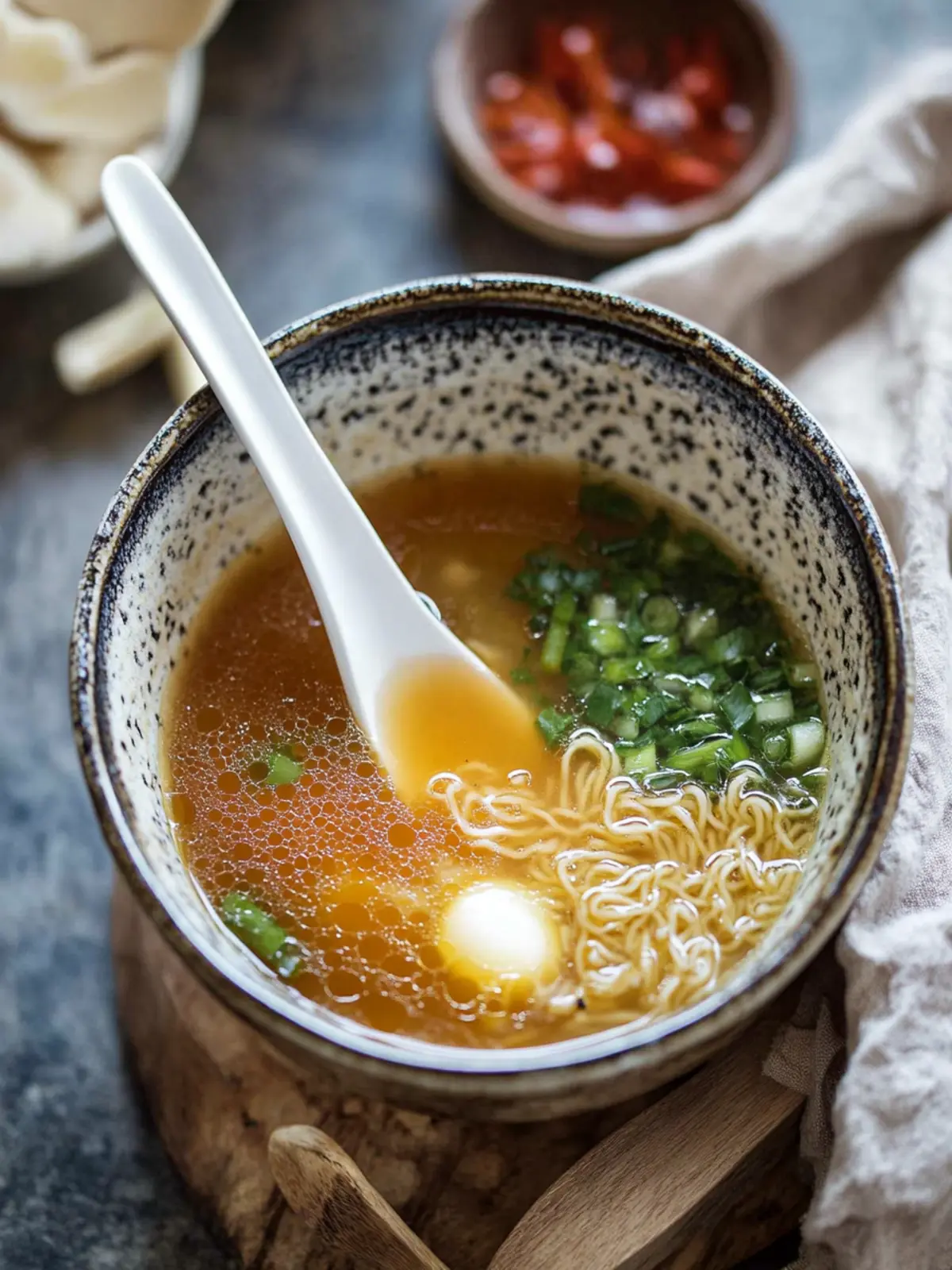
Homemade Ramen Broth Variations
Feel free to get creative and explore delicious alternatives to tailor this homemade ramen broth to your taste!
-
Vegetarian: Replace chicken carcasses and wings with an array of vegetables like carrots, leeks, and corn for a rich, plant-based broth.
-
Seafood Twist: Incorporate shrimp shells or crab bones for a sweet and briny flavor that adds depth and richness to the broth.
-
Spicy Kick: Stir in a splash of chili oil or a pinch of red pepper flakes for a delightful kick that elevates the broth’s warmth.
-
Mushroom Medley: Use a combination of shiitake, oyster, and portobello mushrooms for an earthy flavor explosion that deepens the broth’s umami profile.
-
Coconut Cream: Add a splash of coconut milk toward the end of cooking for a creamy, tropical twist that harmonizes beautifully with the spices.
-
Fermented Flavor: A teaspoon of miso paste during the final stages transforms the broth into a tangy, rich delight filled with probiotics and flavor.
-
Herbal Infusion: Toss in some fresh herbs like basil or cilantro for a refreshing twist that brightens the broth with an aromatic finish.
-
Smoky Flavor: Incorporate smoked salt or a small amount of liquid smoke to give the broth a delightful barbecue essence that will transport you to summer culinary adventures.
Expert Tips for Homemade Ramen Broth
• Quality Ingredients: Choose fresh chicken and high-quality kelp for a rich flavor; the better your ingredients, the better your homemade ramen broth will be!
• Skimming Scum: Don’t skip skimming during simmering; it’s crucial for a clear, clean broth. If neglected, your broth may end up murky.
• Overnight Dashi: Soaking the dashi ingredients overnight is key to achieving a deep umami taste—plan ahead for the best results!
• Proper Timing: Allow enough simmering time—3 hours for the chicken and 2 more for adding flavors. Rushing this process can result in a less flavorful broth.
• Strain Well: Use a fine mesh or paper towel for straining to ensure that your homemade ramen broth is silky and smooth, free from any gritty texture.
How to Store and Freeze Homemade Ramen Broth
Fridge: Store your homemade ramen broth in an airtight container for up to 3 days. Make sure it cools to room temperature before refrigerating.
Freezer: Freeze the broth in freezer-safe containers or bags for up to 3 months. Leave some space in the containers, as the broth will expand when frozen.
Reheating: Thaw overnight in the fridge or place the frozen broth in a pot over low heat until melted. Once reheated, stir well and taste, adjusting seasoning as necessary.
Quality Check: Before using leftovers, give the broth a quick smell and taste check to ensure freshness; it should still have that inviting aroma of a homemade ramen broth.
What to Serve with Homemade Ramen Broth?
A delicious bowl of ramen broth opens up a world of pairing possibilities that can enhance your dinner table and elevate your dining experience.
-
Soft-boiled Eggs: These creamy, tender eggs soak up the broth’s flavor, adding a rich and buttery element to your ramen.
-
Noodles: Fresh or cooked ramen noodles provide the perfect vehicle to soak in the warm, savory broth, making each bite comforting.
-
Sautéed Spinach: The gentle bitterness of sautéed spinach adds a fresh contrast, making each slurp even more satisfying while delivering extra nutrients.
-
Miso Glazed Tofu: Marinated and grilled tofu brings a delightful umami punch that complements the depth of your ramen broth, creating a balanced dish.
-
Fried Garlic Chips: For a crunchy texture and intense flavor burst, sprinkle these over the ramen. They provide a splendid crunch that enhances every mouthful.
-
Crunchy Kimchi: This spicy, tangy side dish provides a refreshing kick that pairs beautifully with the richness of the broth.
-
Sesame Seed Sprinkles: A sprinkle of toasted sesame seeds adds a nutty finish that makes each bowl look beautiful and taste even better.
-
Green Onions: Sliced scallions add a crisp freshness and a mild onion flavor that brightens the overall taste of your ramen bowl.
-
Cold Beer or Sake: To wash down the meal, a cold beer or a glass of warm sake complements the savory notes of the ramen broth.
Create a delightful feast that invites conversation and laughter, making your homemade ramen experience unforgettable!
Make Ahead Options
These Homemade Ramen Broth components are ideal for busy weeknights! You can prepare the overnight dashi stock and refrigerate it for up to 24 hours before starting the broth. Additionally, you can poach the chicken carcasses and wings a day in advance, storing them in the fridge to keep them fresh. When you’re ready to enjoy your ramen, simply combine the broth ingredients and simmer as directed. To maintain the richness of your broth, make sure to strain it well and store it in airtight containers, which keeps the flavors just as delicious for up to 3 days. A little prep goes a long way, allowing you to savor authentic ramen without the stress!
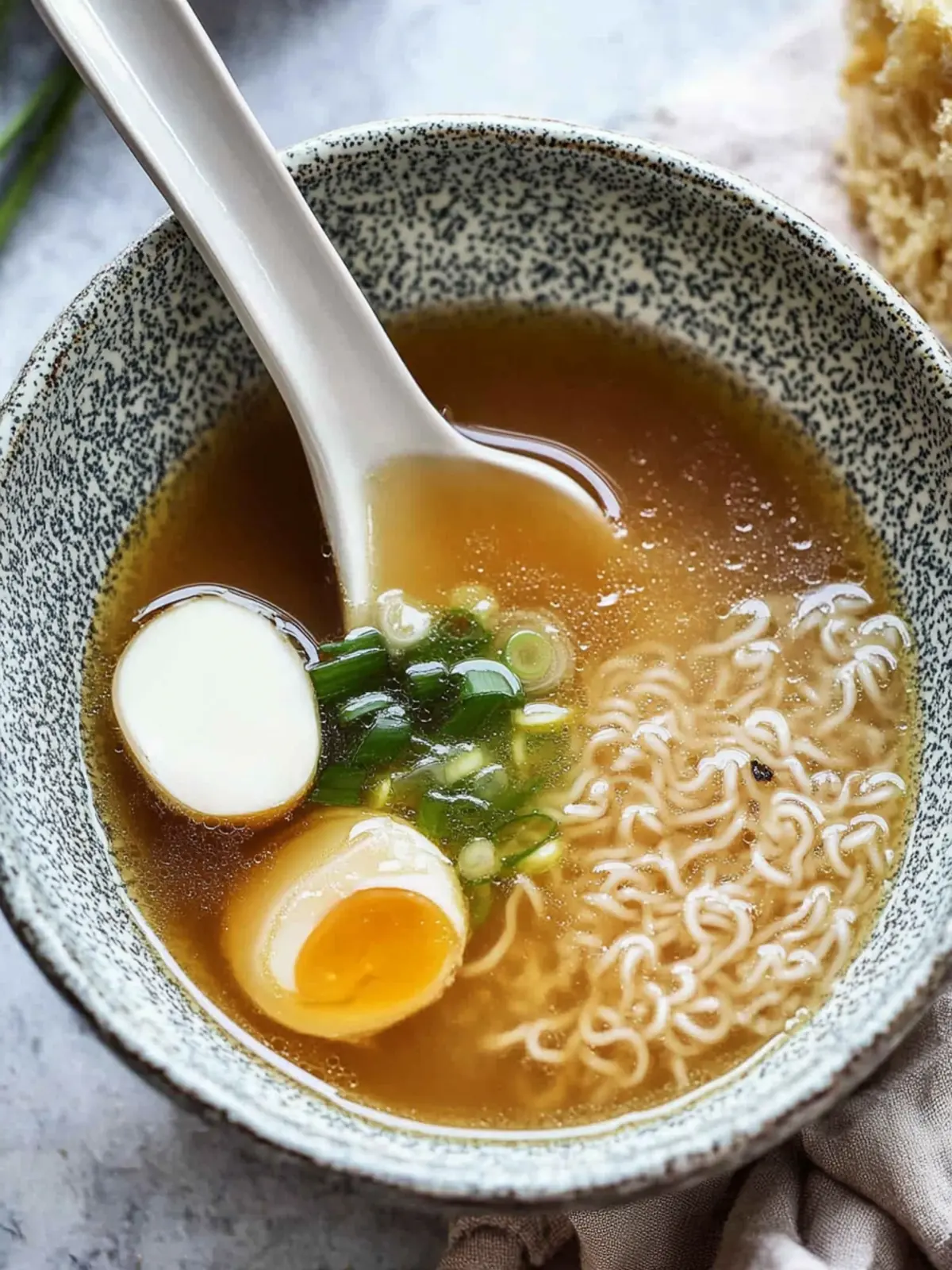
Homemade Ramen Broth Recipe FAQs
What kind of kelp should I use for the broth?
Absolutely! Look for high-quality kombu, which is the most common type of kelp used in Japanese cooking. It’s typically sold in dried form at Asian grocery stores. Choose pieces that are dark green and have a firm texture. Avoid any that look dried out or have discoloration, as this may affect the flavor of your homemade ramen broth.
How long can I store homemade ramen broth in the refrigerator?
You can store your homemade ramen broth in an airtight container for up to 3 days. Allow it to cool to room temperature before sealing it up. If you’re storing it longer than that, I recommend freezing it to preserve its flavor.
Can I freeze my ramen broth? How?
Very! Freezing is an excellent way to extend the shelf life of your homemade ramen broth. Once cooled, transfer the broth into freezer-safe containers or bags, leaving some space at the top for expansion. It can be frozen for up to 3 months. To use it later, just thaw overnight in the fridge or gently warm it on the stovetop over low heat.
What should I do if my broth is too salty?
If you find your homemade ramen broth is a little too salty, don’t fret! You can dilute it by adding water, or more chicken stock if you have it. Start with a cup at a time, stirring and tasting until you reach your desired level of saltiness. Adding more ingredients can also help balance the flavor—sliced veggies or extra scallions make for great additions while simmering.
Are there any dietary considerations for this ramen broth?
Absolutely! This recipe contains chicken and fish (in the form of bonito flakes), which is important for those with allergies. For a vegetarian version, you can substitute chicken with vegetable stock, and use seaweed-based dashi without bonito flakes. Keep in mind, miso paste can contain gluten, so opt for a gluten-free version if needed! Always check the labels on your ingredients if you’re catering to specific dietary needs.
How can I tell if my broth has gone bad?
The quality check is vital! Before using your homemade ramen broth, give it a quick sniff and taste. It should have that rich, inviting aroma typical of a delicious broth. If it smells sour or off, or if you see any signs of mold, it’s best to discard it. Taking these simple steps will ensure you serve up only the best!
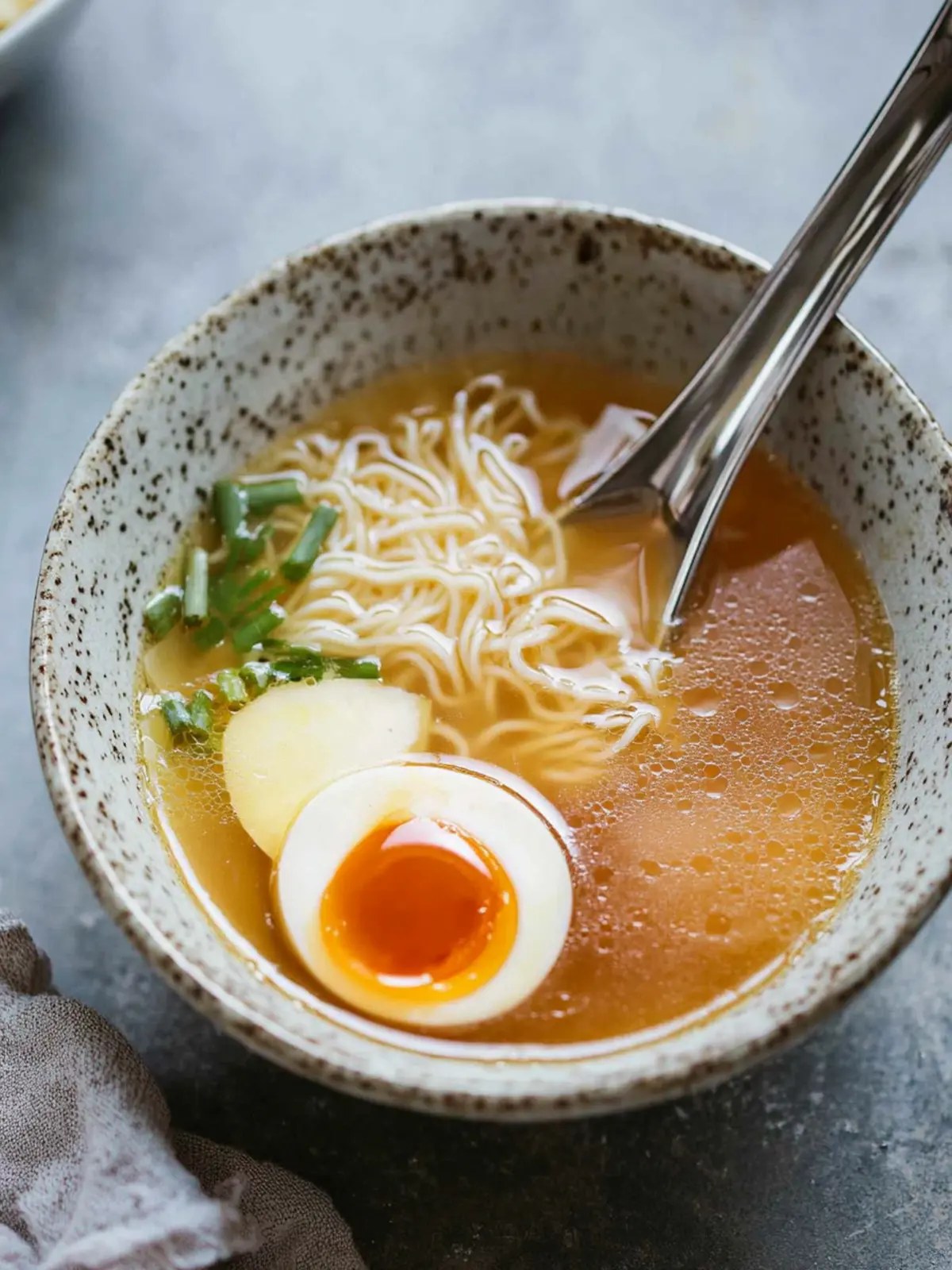
Savor the Ultimate Homemade Ramen Broth in Just 5 Hours
Ingredients
Equipment
Method
- In a large jar, combine all the ingredients for the overnight dashi stock. Pour in 6 cups of water, secure the lid, and let it soak overnight for maximum flavor infusion.
- Rinse the chicken carcasses and wings thoroughly under running water. Be sure to remove any organs and wash off all blood to ensure a clean broth.
- Bring water to a boil in a large pot. Poach the cleaned chicken carcasses and wings for about 30 seconds until they turn white. Strain and discard the poaching water to eliminate impurities.
- In a large pot, add the chicken carcasses, wings, onion, garlic, ginger, scallions, and 12 cups of fresh water. Bring to a rolling boil over high heat.
- Once boiling, reduce the heat to low. Skim off any scum that rises to the top and let the broth simmer gently for about 3 hours, stirring occasionally.
- Keep removing scum from the surface occasionally and add your prepared overnight dashi stock as needed to maintain flavor.
- After 3 hours, introduce the dashi stock along with kelp, bonito flakes, and shiitake mushrooms. Remove from heat and strain the soup into another large pot, discarding the leftover chicken and vegetables.
- Return the strained soup to the stove and simmer gently for another 2 hours to deepen the flavors.
- After 2 hours, remove from heat and strain the broth again, this time using a kitchen paper towel to ensure a silky-smooth consistency.
- The final volume of your homemade ramen broth should be around 10 cups. If needed, continue simmering to reach the desired quantity.
- In a bowl, mix the tare ingredients, ensuring salt fully dissolves. Add 2.5 tbsp of shio tare to a ramen bowl, followed by 2 cups of your fresh ramen broth, and mix well.
- Place 3 tbsp of shoyu tare in a bowl, add 2 cups of ramen broth, and stir thoroughly.
- In a small container, blend all the miso tare ingredients until creamy. Cook gently over low heat for 3 minutes, mixing constantly to avoid burning, then stir in the miso paste. Add 2 tbsp of miso tare to a bowl, pour in 2 cups of broth, and stir to combine.